
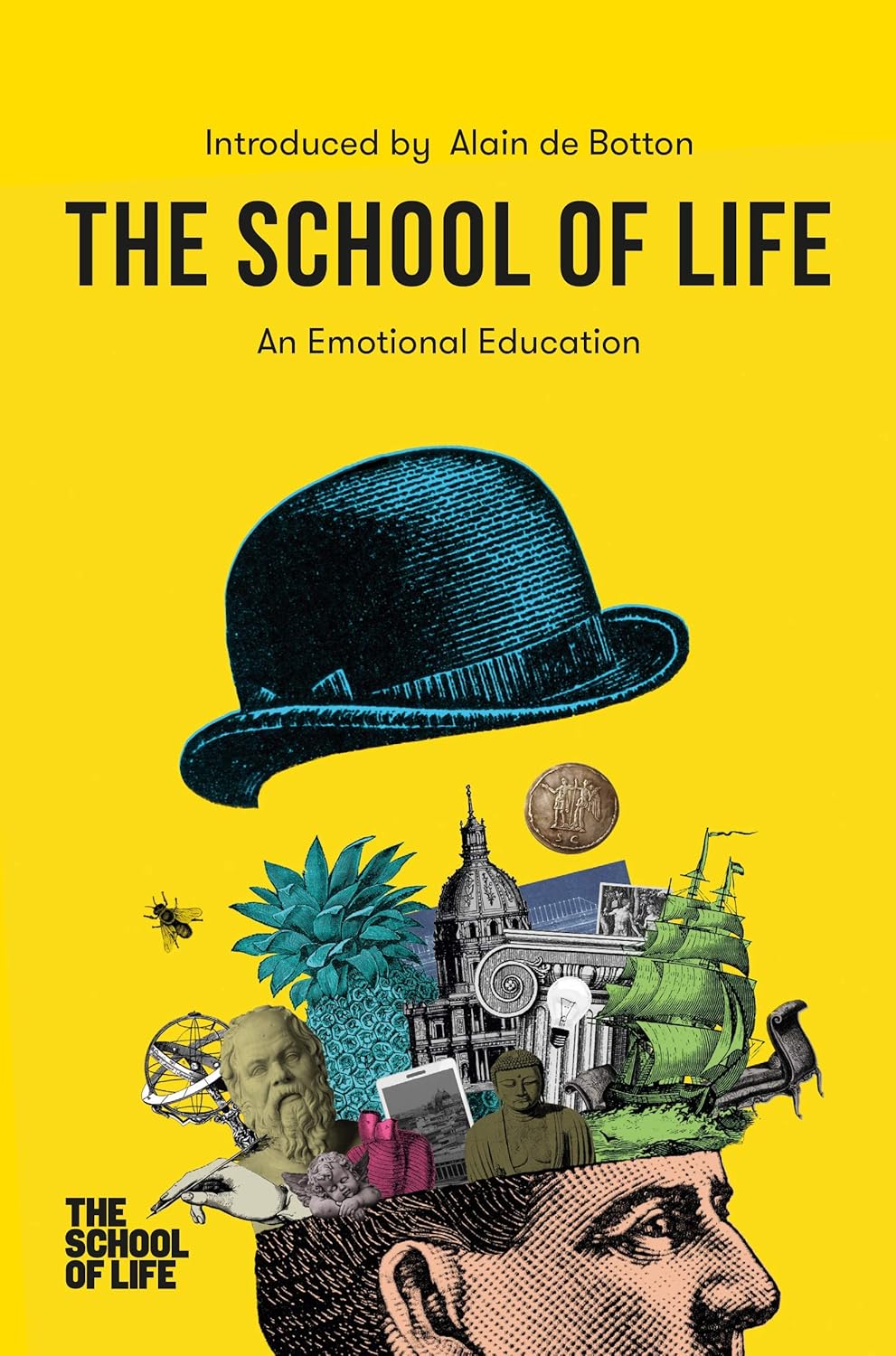
The School of Life Summary
By Alain de Botton and The School of Life
An Emotional Education
Summary preview
Most of us have been taught many things, but not always the things that matter most. We may know a little geography, some algebra, perhaps a few dates from history. Yet when it comes to understanding ourselves, handling love, coping with work, facing disappointment, or building a calmer mind, we are often left to improvise. This is the gentle but piercing argument at the heart of The School of Life by Alain de Botton and The School of Life. The book asks a simple question. What if education were designed not only to help us earn a living, but to help us live? The answer unfolds as a kind of practical curriculum for being human. The book does not pretend that life can be made painless or tidy. It knows that confusion, loneliness, anxiety, envy, heartbreak, and frustration are woven into ordinary existence. But it also insists that we can become wiser and kinder toward ourselves if we learn to think more clearly about these experiences. We can acquire emotional skills. We can become better at friendship, love, self knowledge, and work. We can learn how to suffer with more dignity and how to enjoy with more depth. The mood is hopeful without being naive. It never says that all will be well if only we think positively. Instead, it suggests that many of our struggles are made worse by unrealistic expectations and by a culture that praises success while neglecting emotional maturity. We are encouraged to look beneath appearances, to notice the hidden wounds in ourselves and others, and to approach human behavior with more sympathy. What looks like arrogance may be fear. What looks like laziness may be despair. What looks like romantic certainty may simply be immaturity. Again and again, the book returns to one large idea. A good life is not built on perfection. It is built on understanding. To understand why we choose the people we do, why we panic, why we compare, why we procrastinate, why we become defensive, and why we lose perspective is already to begin gaining some freedom. Wisdom here is not grand or mystical. It is practical, intimate, and often surprisingly ordinary. What follows is a tour through the main areas where we most need education and rarely receive it. Love, work, culture, self knowledge, and emotional health are treated not as lofty topics but as daily challenges. The aim is not to impress you with theory. It is to accompany you, to offer language for feelings you may have struggled to name, and to suggest that a more thoughtful life is possible, even in the middle of ordinary trouble.
Sign up to continue reading
Get access to full book summaries, audio of the summaries, and many more.
Similar Books
Books with a similar vibe—explore more like this.
The Little Prince
Antoine de Saint-Exupéry
A Tale About the Human Condition and the Search for Happiness
4.9 (36)22 mins
The Opposite of Settling
Case Kenny
Get What You Want in Love and Life, Without Losing Your Spark
4.8 (13)25 mins
Atlas of the Heart
Brené Brown
Mapping Meaningful Connection and the Language of Human Experience
4.5 (1028)31 mins
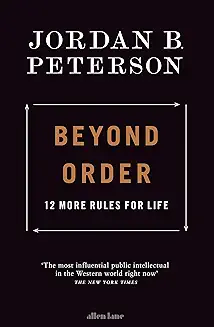
Beyond Order
Jordan B. Peterson
12 More Rules for Life
4.5 (1283)31 mins
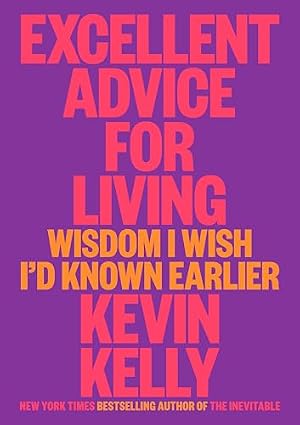
Excellent Advice for Living
Kevin Kelly
Wisdom I Wish I'd Known Earlier
4.2 (140)21 mins
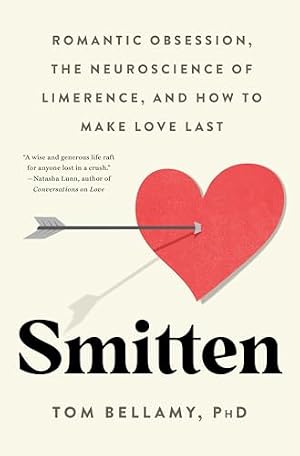
Smitten
Tom Bellamy
Romantic Obsession, the Neuroscience of Limerence, and How to Make Love Last
5.0 (4)24 mins
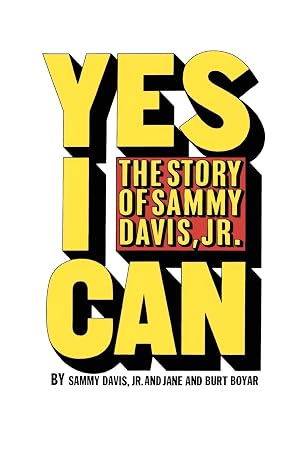
Bedtime Biography: Yes I Can
Sammy Davis, Jr. and Jane and Burt Boyar
The Story of Sammy Davis Jr.
4.9 (7)26 mins
Surrender to Lead
Jessica Kriegel, Joe Terry
The Counterintuitive Approach to Driving Extraordinary Results
4.9 (7)21 mins
Girl Code
Cara Alwill Leyba
Secrets to Sanity and Success for the Female Entrepreneur
4.9 (4)21 mins

American Lion
Jon Meacham
Andrew Jackson in the White House
4.9 (16)35 mins