
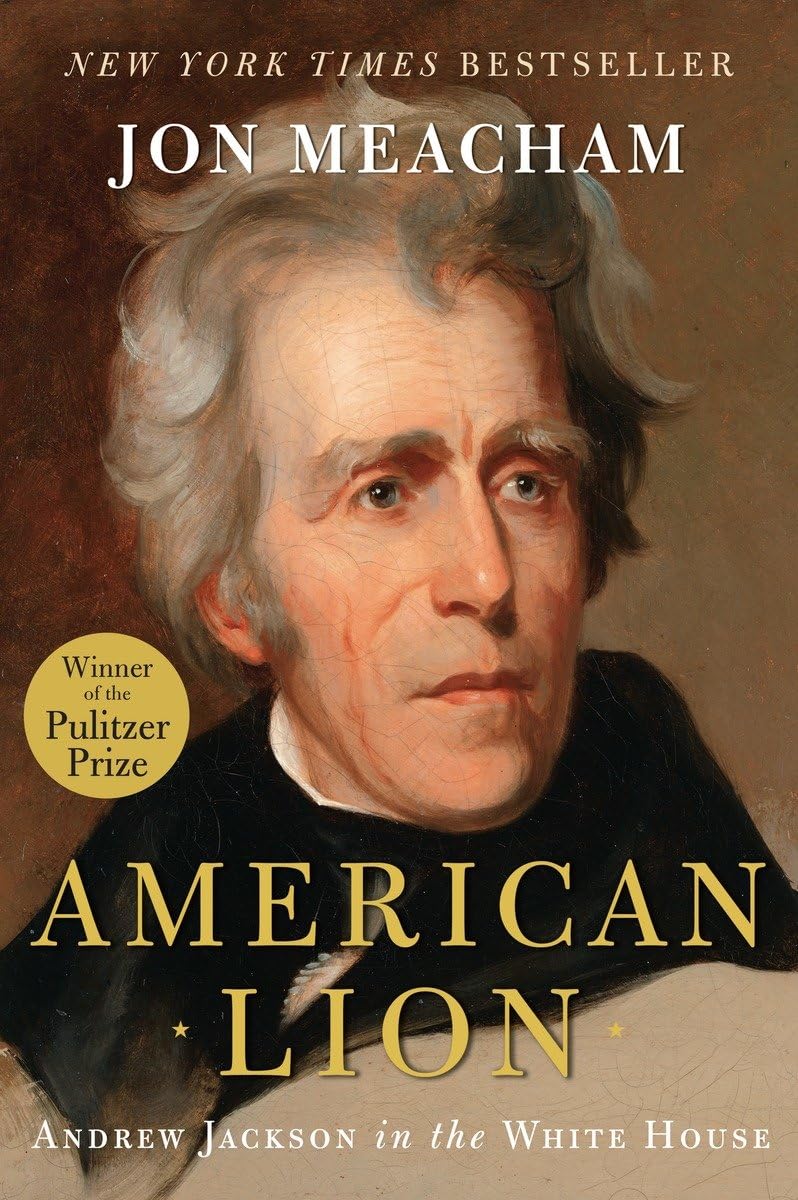
American Lion Summary
By Jon Meacham
Andrew Jackson in the White House
Summary preview
To enter the world of American Lion is to step into a republic still young, raw, and uncertain, and to meet a man whose force of will seemed large enough to bend history around him. Jon Meacham tells the story of Andrew Jackson not as a flat monument from a textbook, but as a living, contradictory human being. He is fierce and sentimental, democratic and domineering, deeply loyal and intensely vengeful, a defender of the Union and a wielder of power who often pushed right to the edge of constitutional restraint. The book asks us to sit with that tension rather than run from it. At its heart, this is a portrait of power. It is about how power is won, how it is used, and what it costs the person who holds it and the nation that grants it. Jackson comes to the presidency carrying the scars of a hard frontier childhood, the heat of old quarrels, the fame of a military hero, and a faith that he alone can hear and protect the voice of the people. He does not arrive in Washington eager to fit into its customs. He comes to challenge the old order, to break what he sees as elite control, and to leave a mark that cannot be ignored. But this is also a very intimate book. Alongside the battles over banks, tariffs, nullification, and executive power, there are dinners, private letters, whispered resentments, and personal grief. We see the importance of Rachel Jackson, whose death before his inauguration shadows his presidency. We see the essential role of friends and allies such as Martin Van Buren, and of unofficial family figures in the White House circle. Politics here is never just abstract principle. It is bound up with affection, pride, ambition, fear, and memory. The story moves from Jackson's rise as a national figure to the fierce contests of his two presidential terms. We watch him take on Henry Clay, John C. Calhoun, the Bank of the United States, and South Carolina's threat of defiance. We see him shape the modern presidency by claiming a direct connection to the public, using the veto not simply on constitutional grounds but as a policy weapon, and acting as if the president is not merely an administrator but the chosen guardian of the nation's destiny. What makes the book gripping is that it neither worships nor excuses. It understands Jackson's greatness without hiding his darkness, especially in the policy of Indian removal, one of the deepest moral stains of his public life. The result is a vivid account of a leader who changed America by sheer intensity. By the end, you are left with a harder, truer question than whether Jackson was hero or villain. You are asked to consider how democracies are shaped by strong men, and how the energy that saves a nation in one moment may wound it in another.
Sign up to continue reading
Get access to full book summaries, audio of the summaries, and many more.
Similar Books
Books with a similar vibe—explore more like this.
Bedtime Biography: Yes I Can
Sammy Davis, Jr. and Jane and Burt Boyar
The Story of Sammy Davis Jr.
4.9 (7)26 mins
Rise Up, Women!
Diane Atkinson
The Remarkable Lives of the Suffragettes
4.8 (5)25 mins
Bedtime Biography: Edison
Edmund Morris
A look into the unknown stories of Thomas Edison's life
4.8 (36)23 mins

Lawrence in Arabia
Scott Anderson
War, Deceit, Imperial Folly and the Making of the Modern Middle East
4.8 (41)39 mins

Beethoven
Laura Tunbridge
A Life in Nine Pieces
4.7 (24)34 mins

Mighty Be Our Powers
Leymah Gbowee with Carol Mithers
How Sisterhood, Prayer, and Sex Changed a Nation at War
4.7 (4)25 mins
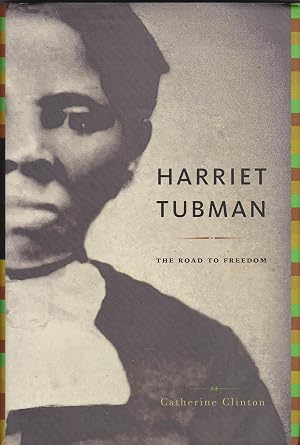
Bedtime Biography: Harriet Tubman
Catherine Clinton
The Road to Freedom
4.7 (34)26 mins
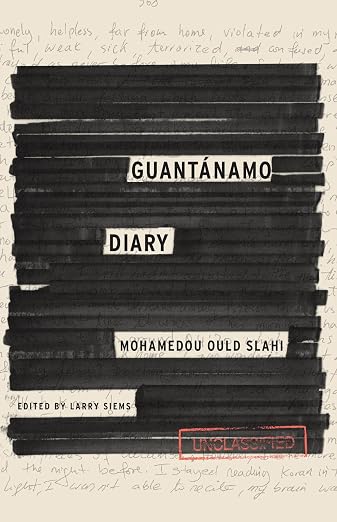
Guantánamo Diary
Mohamedou Ould Slahi, edited by Larry Siems
Guantanamo from the Inside
4.7 (3)27 mins
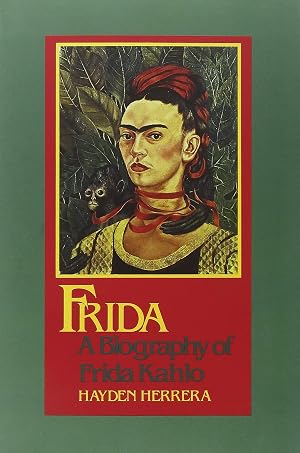
Bedtime Biography: Frida
Hayden Herrera
A Biography of Frida Kahlo
4.7 (12)21 mins
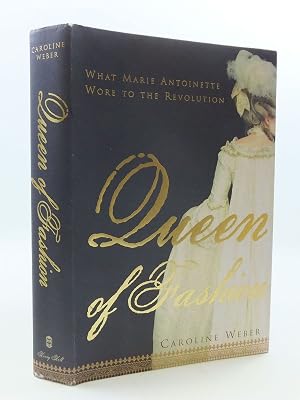
Bedtime Biography: Queen of Fashion
Caroline Weber
What Marie Antoinette Wore to the Revolution
4.6 (15)22 mins