
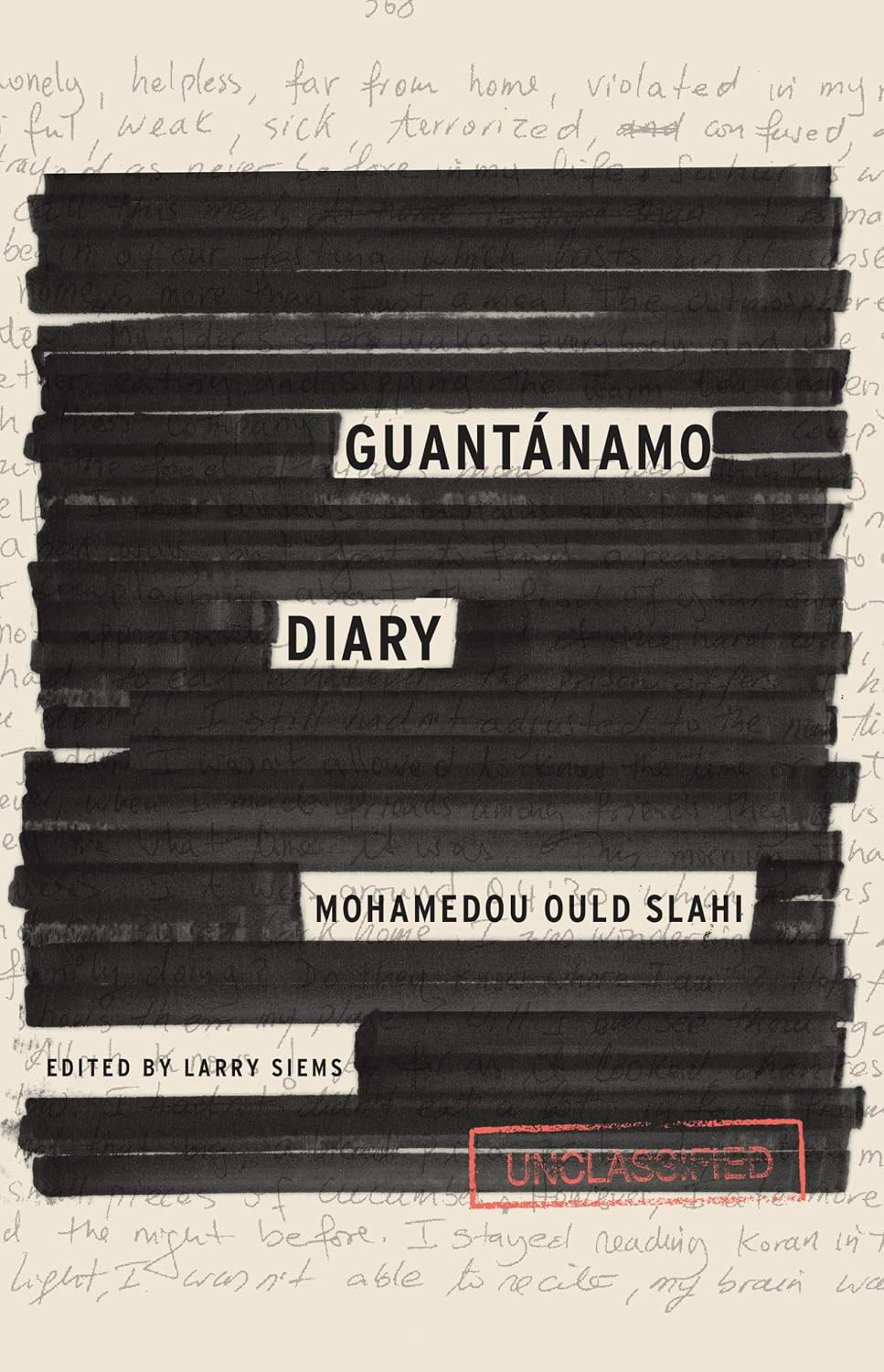
Guantánamo Diary Summary
By Mohamedou Ould Slahi, edited by Larry Siems
Guantanamo from the Inside
Summary preview
Some books tell you what happened. This one sits you down, looks you in the eye, and says, come with me, I will show you what it feels like from the inside. Guantánamo Diary, by Mohamedou Ould Slahi, edited by Larry Siems, is not only the story of imprisonment. It is the story of what happens when a human being is swallowed by suspicion, moved from country to country like luggage, and asked to survive a machine built to break memory, dignity, and hope. Yet it is also a story full of jokes, prayers, tenderness, and stubborn life. That is what makes it unforgettable. The book begins long before the prison camp. It begins with a young man from Mauritania, curious about the world, shaped by family, religion, friendship, and travel. He studies, he dreams, he moves through places and moments that later become twisted into evidence against him. Old contacts, half understood associations, and the fevered fear that followed the attacks of September 11 are pulled together into a story about guilt that authorities want to believe. He is never simply arrested and charged in a normal way. Instead, he is passed along through a hidden geography of detention, questioned repeatedly, and finally delivered into the legal and moral black hole of Guantánamo Bay. Once there, the diary becomes many things at once. It is a prison memoir, yes, but also a moral record. It shows the routines of captivity, the humiliation of endless control, the confusion of being accused without seeing real evidence, and the strange intimacy that can grow between prisoner and guard. The men around him are not cardboard villains or saints. Some are cruel. Some are weak. Some are kind in small, almost secret ways. The writer sees all of this with a sharp eye and a restless heart. He can be funny one moment and shattered the next. What gives the book its power is that it does not speak in abstract slogans. It speaks through lived moments. Through interrogation rooms. Through chains and cold cells. Through memories of home. Through longing for his mother. Through efforts to hold onto faith when every hour seems designed to grind meaning into dust. Even when he describes torture, he does not surrender his voice. He keeps asking what makes people do this, what fear does to a nation, and how one stays human when treated as less than human. So what you hold here is more than testimony. It is an act of endurance. It is a witness statement against secrecy and abuse, but also a deeply personal conversation about pain, forgiveness, and the mind’s strange ability to keep singing in the dark.
Sign up to continue reading
Get access to full book summaries, audio of the summaries, and many more.
Similar Books
Books with a similar vibe—explore more like this.

For the Record
David Cameron
An honest account from a prime minister who truly altered his country's course
4.5 (14)30 mins

Richard Nixon
John A. Farrell
The Life
4.4 (30)35 mins

On the House
John Boehner
A Washington Memoir
4.4 (3)27 mins

The First Muslim
Lesley Hazleton
The Story of Muhammad
4.2 (27)35 mins

Unbroken Bonds of Battle
Johnny Joey Jones
A Book of Heroism, Patriotism, and Friendship
4.0 (18)21 mins

After the Fall
Ben Rhodes
Being American in the World We've Made
3.9 (47)25 mins

Undaunted
John O. Brennan
My Fight Against America's Enemies, At Home and Abroad
3.8 (5)38 mins

A Very Stable Genius
Philip Rucker and Carol Leonnig
Donald J. Trump's Testing of America
3.6 (40)27 mins

Speaking for Myself
Sarah Huckabee Sanders
Faith, Freedom, and the Fight of Our Lives Inside the Trump White House
3.3 (18)24 mins
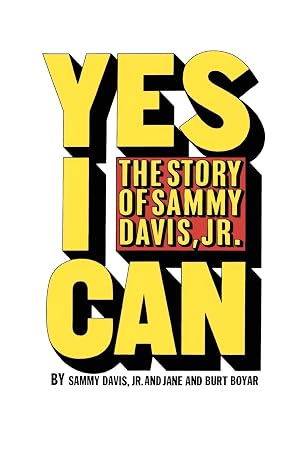
Bedtime Biography: Yes I Can
Sammy Davis, Jr. and Jane and Burt Boyar
The Story of Sammy Davis Jr.
4.9 (7)26 mins