
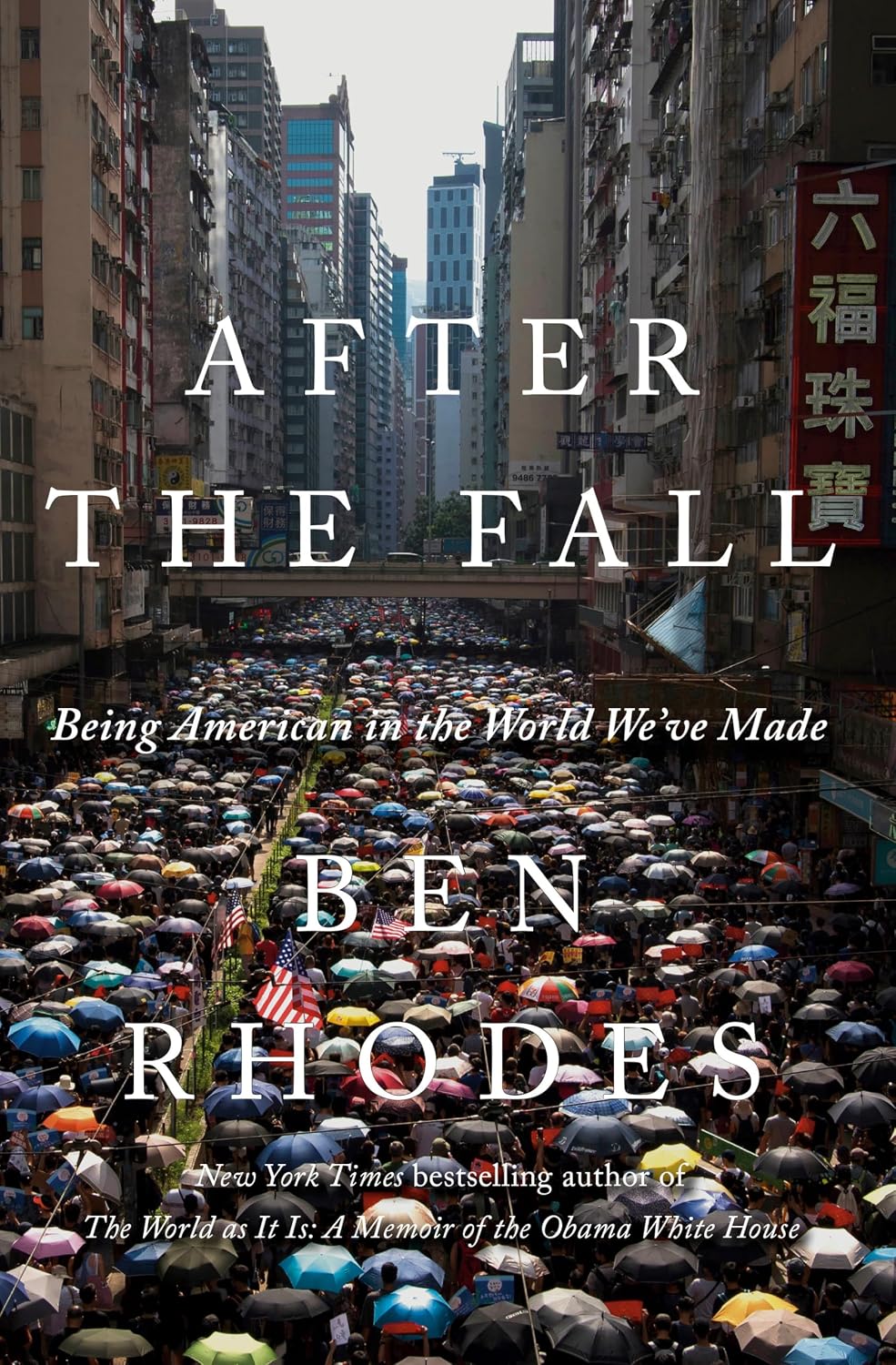
After the Fall Summary
By Ben Rhodes
Being American in the World We've Made
Summary preview
After the Fall is a book about what it feels like when the world you thought you understood gives way beneath your feet. Ben Rhodes starts from a moment many people shared, even if they lived it in very different places. The old story of steady democratic progress, of open societies slowly but surely expanding, of facts carrying authority and America standing with some consistency for liberal values, began to collapse. What came after was not one single crisis but a chain reaction. Nationalism returned with force. Strongmen learned from one another. Digital media turned politics into theater, conspiracy, and permanent emotional manipulation. The United States, instead of resisting that slide, often helped accelerate it. This is not a detached history written from a distance. It is a journey through a shaken political age by someone who stood close to power and then stepped out into a world that looked very different from the one he had served. The book moves across countries and movements, through meetings, interviews, memories, and reckoning. It is part travelogue, part political reflection, part confession. There is grief in it, but also curiosity. There is anger, but also a real effort to listen. What matters most is the attempt to understand how democracy became fragile in so many places at once, and why so many people stopped believing in the institutions that once promised dignity, order, and truth. The story begins after the Obama years, after the shock of 2016, after the rise of Trump made clear that the forces long treated as fringe had moved to the center. From there, the book ranges outward. Russia appears not only as a geopolitical rival but as a pioneer in modern authoritarian politics. Hungary becomes a warning of democratic backsliding inside the West itself. The Middle East reveals the wreckage left when hope, repression, war, and outside intervention collide. Hong Kong shows courage under pressure. Activists, dissidents, journalists, and opposition figures become some of the book’s moral anchors, people who continue speaking even when systems are built to silence them. What gives the book its pulse is the sense that political breakdown is not abstract. It enters the body. It shapes memory, language, identity, and everyday life. The lies told by leaders are not just lies. They create whole realities in which cruelty becomes normal and solidarity becomes harder to sustain. Yet the book never settles for despair. It keeps returning to a simple human fact. History is made by people, and people can choose differently. The question running through every page is whether enough of us still know how to defend a free society before it slips away.
Sign up to continue reading
Get access to full book summaries, audio of the summaries, and many more.
Similar Books
Books with a similar vibe—explore more like this.
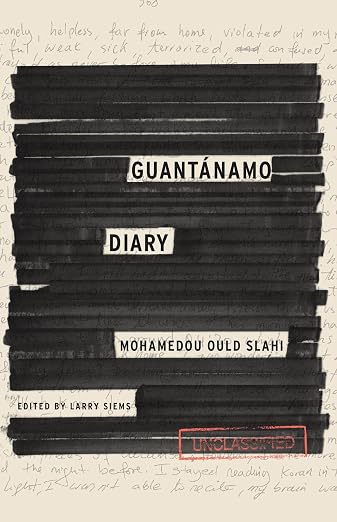
Guantánamo Diary
Mohamedou Ould Slahi, edited by Larry Siems
Guantanamo from the Inside
4.7 (3)27 mins

For the Record
David Cameron
An honest account from a prime minister who truly altered his country's course
4.5 (14)30 mins
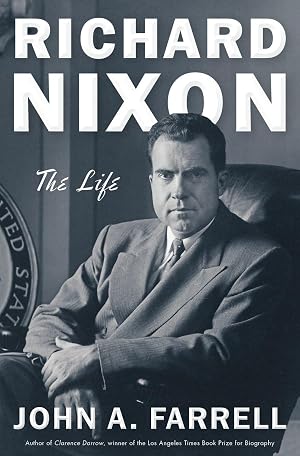
Richard Nixon
John A. Farrell
The Life
4.4 (30)35 mins

On the House
John Boehner
A Washington Memoir
4.4 (3)27 mins

The First Muslim
Lesley Hazleton
The Story of Muhammad
4.2 (27)35 mins

Unbroken Bonds of Battle
Johnny Joey Jones
A Book of Heroism, Patriotism, and Friendship
4.0 (18)21 mins

Undaunted
John O. Brennan
My Fight Against America's Enemies, At Home and Abroad
3.8 (5)38 mins
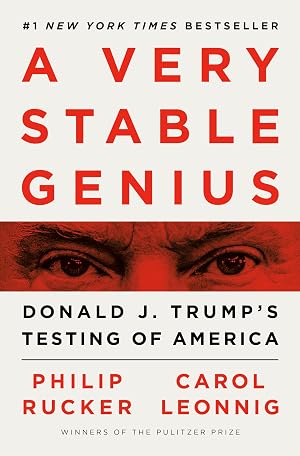
A Very Stable Genius
Philip Rucker and Carol Leonnig
Donald J. Trump's Testing of America
3.6 (40)27 mins
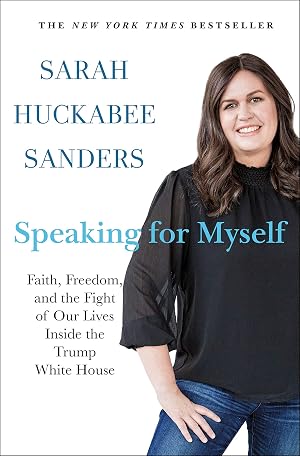
Speaking for Myself
Sarah Huckabee Sanders
Faith, Freedom, and the Fight of Our Lives Inside the Trump White House
3.3 (18)24 mins
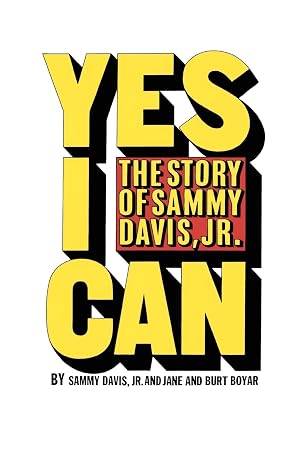
Bedtime Biography: Yes I Can
Sammy Davis, Jr. and Jane and Burt Boyar
The Story of Sammy Davis Jr.
4.9 (7)26 mins