

For the Record Summary
By David Cameron
An honest account from a prime minister who truly altered his country's course
Summary preview
For the Record is a political memoir, yes, but it is also something more personal than that. It is an attempt to explain how a life in public really feels from the inside. The story begins with family, ambition, luck, grief, and a strong sense of duty, then moves through the bruising world of modern British politics, all the way to the referendum that changed the country and ended a premiership. The thread running through it all is an effort to make sense of decisions made under pressure, victories that never felt simple, and defeats that never stopped stinging. What gives the book its shape is the sense of someone looking back not just to settle scores, but to put things on the table plainly. There is pride here, especially in big social reforms, in economic repair after crisis, and in moments when government seemed capable of doing real good. There is also regret, most obviously over the decision to hold the referendum on Britain’s membership of the European Union and the failure to win it. But the purpose is not simply confession. It is explanation. The argument is that politics is messier, more human, and more contingent than it can ever appear from the outside. Fine sounding plans are tested by events. Loyal colleagues wobble. Opponents surprise you. The media magnifies every stumble. And all the while, family life carries on in the background, grounding everything. The memoir moves through the key episodes that defined a generation of Conservative politics. It traces the long project of modernising a party that had become narrow and stale in the eyes of many voters. It follows the years in opposition, the formation of the Coalition, the struggle to reduce the deficit after the financial crash, and the pressure of governing during an age of austerity. It revisits the Scottish independence referendum, military intervention in Libya, failed intervention in Syria, same sex marriage, relations with Barack Obama and European leaders, and the unexpectedly complex business of trying to keep both party and country together at once. At the heart of it is a voice that wants to sound candid and practical rather than grand. David Cameron presents politics as a craft of judgment. Not every problem has a pure answer. Often you choose between difficult options and then live with the consequences. He wants the reader to see not just the speeches and headlines, but the private conversations, the endless preparation, the emotional cost, and the calculations that sit behind state decisions. By the end, the book becomes a reflection on leadership itself. What does it mean to take responsibility when events turn against you. How do you hold on to conviction without becoming rigid. And how do you live with the fact that one choice can overshadow everything else you believed you achieved.
Sign up to continue reading
Get access to full book summaries, audio of the summaries, and many more.
Similar Books
Books with a similar vibe—explore more like this.
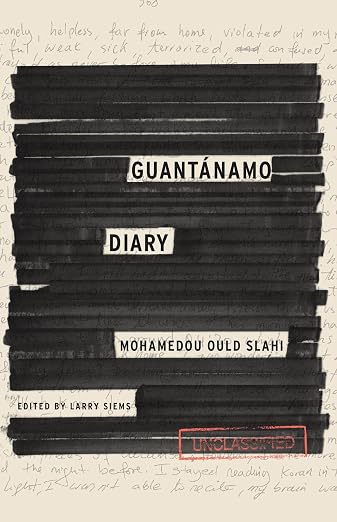
Guantánamo Diary
Mohamedou Ould Slahi, edited by Larry Siems
Guantanamo from the Inside
4.7 (3)27 mins
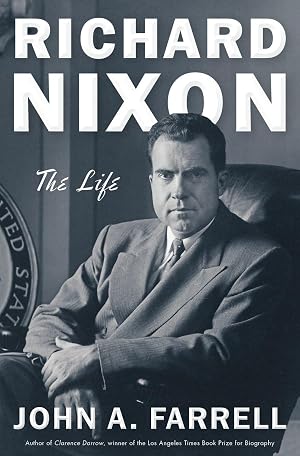
Richard Nixon
John A. Farrell
The Life
4.4 (30)35 mins

On the House
John Boehner
A Washington Memoir
4.4 (3)27 mins

The First Muslim
Lesley Hazleton
The Story of Muhammad
4.2 (27)35 mins

Unbroken Bonds of Battle
Johnny Joey Jones
A Book of Heroism, Patriotism, and Friendship
4.0 (18)21 mins

After the Fall
Ben Rhodes
Being American in the World We've Made
3.9 (47)25 mins

Undaunted
John O. Brennan
My Fight Against America's Enemies, At Home and Abroad
3.8 (5)38 mins

A Very Stable Genius
Philip Rucker and Carol Leonnig
Donald J. Trump's Testing of America
3.6 (40)27 mins

Speaking for Myself
Sarah Huckabee Sanders
Faith, Freedom, and the Fight of Our Lives Inside the Trump White House
3.3 (18)24 mins
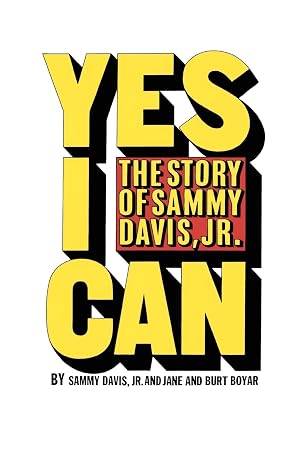
Bedtime Biography: Yes I Can
Sammy Davis, Jr. and Jane and Burt Boyar
The Story of Sammy Davis Jr.
4.9 (7)26 mins