
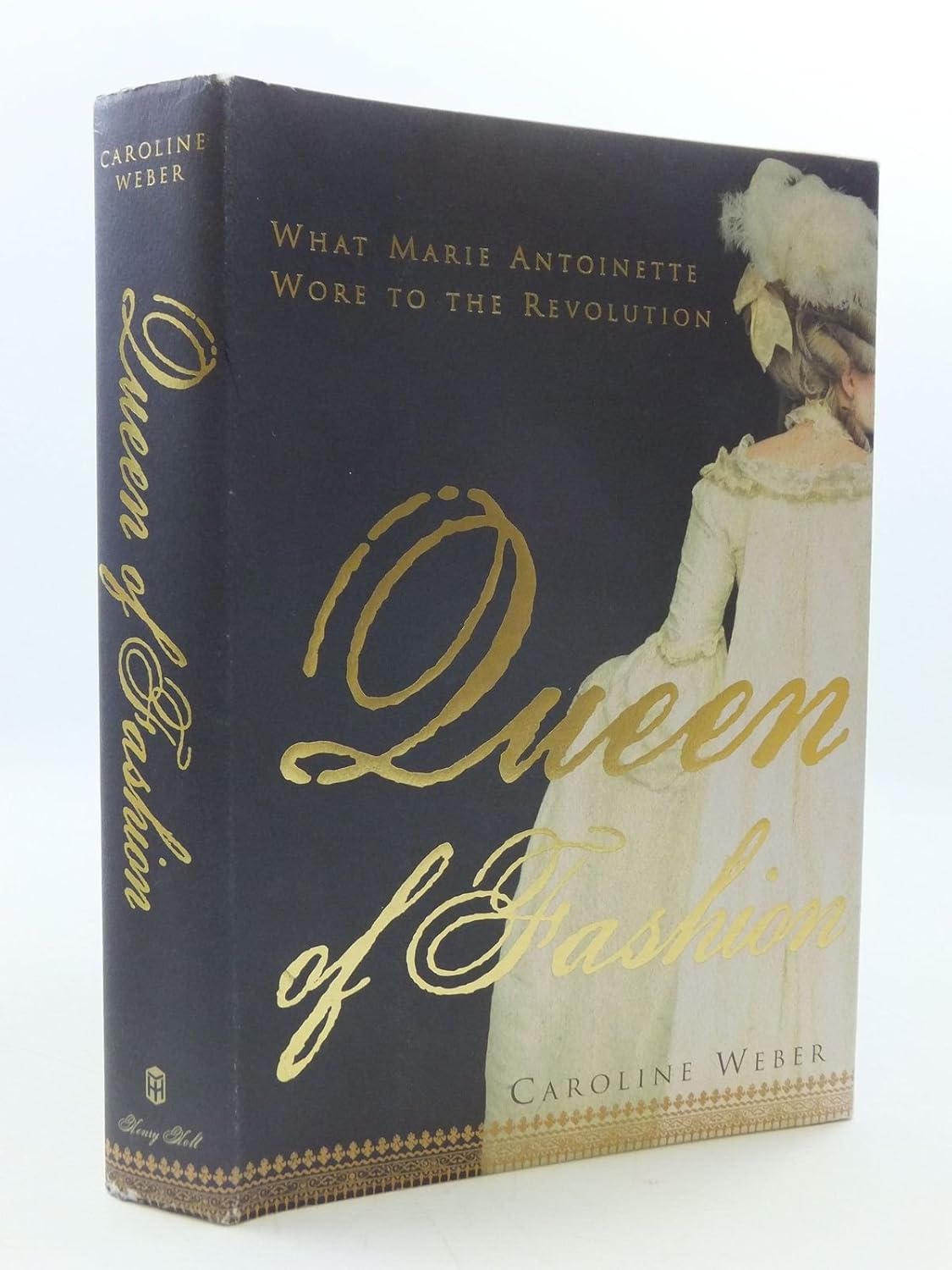
Bedtime Biography: Queen of Fashion Summary
By Caroline Weber
What Marie Antoinette Wore to the Revolution
Summary preview
Some lives seem made for fairy tales, but the life at the heart of Queen of Fashion is more surprising, more human, and far more revealing than any simple legend. What looks from a distance like a story about beauty, luxury, and royal glamour turns out to be a story about power, performance, and the strange force clothing can have in history. At the center stands Marie Antoinette, a young girl sent from Austria to France, asked to leave behind her home, her habits, even parts of herself, and to become something dazzling in the most glittering court in Europe. She arrived as a teenager and was turned, almost overnight, into a symbol. The question the book keeps asking is what happens when a woman learns to use that role for herself, and what price she pays when the symbol begins to swallow the person. Caroline Weber tells this story with a sharp eye for both silk and politics. Dresses, jewels, ribbons, hairstyles, shoes, fans, and portraits are never just decoration here. They are language. They are strategy. They are rebellion, seduction, and self invention. At Versailles, where every gesture was watched and every body was regulated, fashion was not a shallow matter. It was one of the few available ways to speak loudly without saying a word. For a queen with limited formal power, clothes became a tool for crafting influence, winning attention, expressing moods, and resisting expectations. Yet the same brilliance that made Marie Antoinette fascinating also helped make her vulnerable. What first looked playful and modern could later seem reckless, foreign, immoral, and politically dangerous. The book follows this transformation closely. We watch a shy archduchess become a French dauphine, then a queen, then a cultural force whose tastes spread across Europe. We see how she worked with dressmakers, hairdressers, and artists to build a new image of femininity, one that could be extravagant, theatrical, pastoral, intimate, or boldly unconventional. For instance, her alliance with the famous milliner Rose Bertin and the hairdresser Leonard helped create styles so dramatic that they became events in themselves. But the story never stays at the level of fashion gossip. Every ribbon and every towering coiffure is tied to court rivalry, national identity, public anger, and the growing instability of the monarchy. What makes this book so absorbing is that it treats style as both enchantment and evidence. It lets us feel the delight of fabrics and fantasy, while also showing the machinery beneath them. A queen gets dressed, and a nation reacts. A portrait is painted, and an argument begins. A simple white muslin dress appears, and ideas about class, morality, motherhood, and authenticity start shifting. By the end, the wardrobe that once crowned a woman as the most admired trendsetter in Europe becomes part of the case against her. That is the spell and the tragedy of this story. Fashion, in these pages, is never merely what someone wears. It is how a life is staged, how a monarchy...
Sign up to continue reading
Get access to full book summaries, audio of the summaries, and many more.
Similar Books
Books with a similar vibe—explore more like this.

Bedtime Biography: Yes I Can
Sammy Davis, Jr. and Jane and Burt Boyar
The Story of Sammy Davis Jr.
4.9 (7)26 mins

American Lion
Jon Meacham
Andrew Jackson in the White House
4.9 (16)35 mins
Rise Up, Women!
Diane Atkinson
The Remarkable Lives of the Suffragettes
4.8 (5)25 mins
Bedtime Biography: Edison
Edmund Morris
A look into the unknown stories of Thomas Edison's life
4.8 (36)23 mins

Lawrence in Arabia
Scott Anderson
War, Deceit, Imperial Folly and the Making of the Modern Middle East
4.8 (41)39 mins

Beethoven
Laura Tunbridge
A Life in Nine Pieces
4.7 (24)34 mins
Mighty Be Our Powers
Leymah Gbowee with Carol Mithers
How Sisterhood, Prayer, and Sex Changed a Nation at War
4.7 (4)25 mins
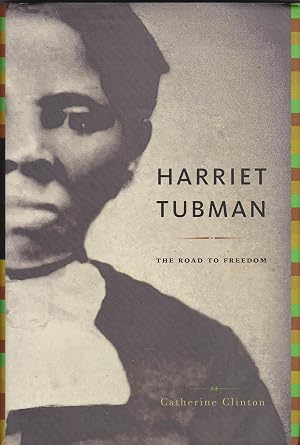
Bedtime Biography: Harriet Tubman
Catherine Clinton
The Road to Freedom
4.7 (34)26 mins
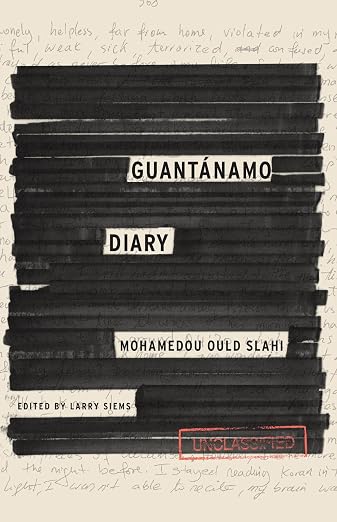
Guantánamo Diary
Mohamedou Ould Slahi, edited by Larry Siems
Guantanamo from the Inside
4.7 (3)27 mins
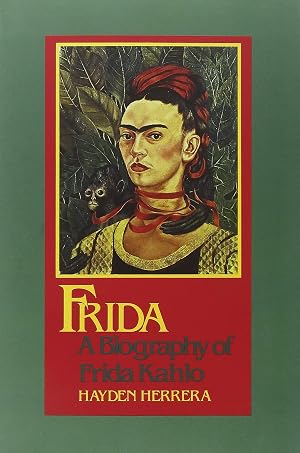
Bedtime Biography: Frida
Hayden Herrera
A Biography of Frida Kahlo
4.7 (12)21 mins