
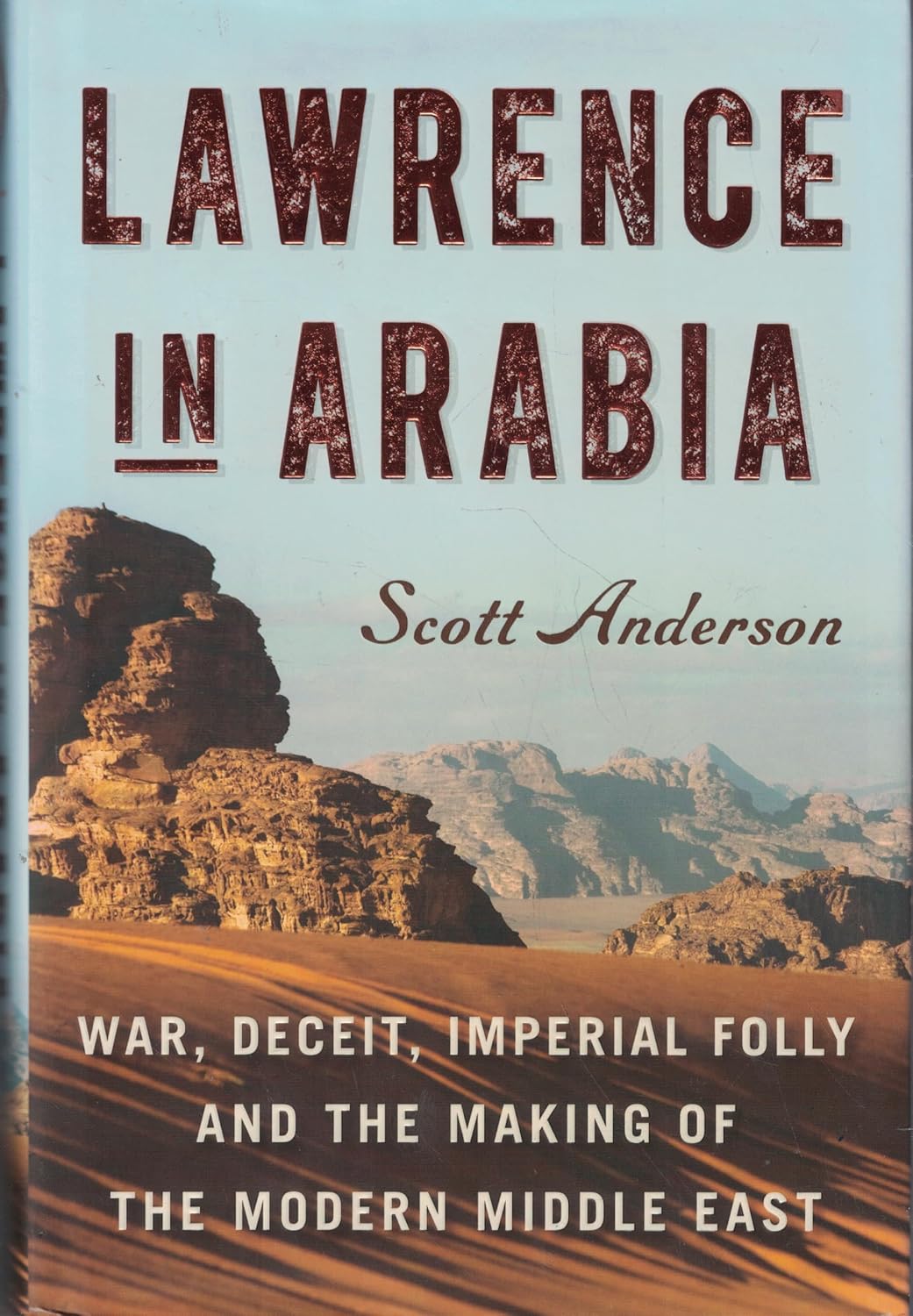
Lawrence in Arabia Summary
By Scott Anderson
War, Deceit, Imperial Folly and the Making of the Modern Middle East
Summary preview
There are war stories that march in a straight line, all banners and battle maps, and then there are stories like this one, where everything seems to shimmer and split in the desert heat. At first glance, this looks like a book about a single legendary man, T. E. Lawrence, the strange, brilliant British officer who helped stir the Arab Revolt during the First World War and then became a kind of myth while he was still alive. But that is only the doorway. Once you step inside, you find something bigger and more unruly. You find an empire in decay, another empire rising, and a Middle East being carved, promised, betrayed, and imagined all at once. Scott Anderson tells this tale not as a neat biography and not as a dry military history. He builds it through four men whose paths cross in war and espionage and political fantasy. Lawrence is the best known, of course, but beside him stand William Yale, the American oil man turned diplomat, Curt Prüfer, the German archaeologist and agent trying to undermine British power, and Aaron Aaronsohn, the Zionist activist and agronomist whose intelligence network becomes vital to the British cause. Through them, the book turns the war in the Ottoman lands into something immediate and human. We see schemes hatched in Cairo and Constantinople, loyalties tested in Jerusalem and Damascus, and promises made in secret that will echo for generations. What gives the story its force is the way private longing and public policy become tangled together. Lawrence yearns for heroic purpose, but also recoils from the blood price of the revolt he helps drive forward. Arab leaders seek freedom from Ottoman rule, yet they must bargain with European powers that speak the language of liberation while plotting partition. Zionist hopes for a homeland gather energy in the same landscape where Arab nationalism is awakening. Diplomats, soldiers, adventurers, and spies all tell themselves they are shaping history, and often they are, but they are also being carried by currents larger than anything they can master. The desert here is not just a backdrop. It is a testing ground for identity, deception, ambition, and faith. The campaigns are dramatic, from raids on railways to the long push toward Damascus, yet the deepest drama lies in the secret agreements and mismatched expectations behind the fighting. You feel, page by page, how the modern Middle East is being born through improvisation, vanity, idealism, greed, and panic. What makes the book linger is that it never lets legend settle too comfortably. The heroic image of Lawrence is both illuminated and unsettled. He is daring, gifted, and indispensable, but he is also conflicted, self inventing, and trapped inside a role that others need him to play. By following him and the three other witnesses through the war, the story shows how myths are made and how nations can be shaped by both courage and fraud. It is a grand, restless narrative about promises in the sand, and...
Sign up to continue reading
Get access to full book summaries, audio of the summaries, and many more.
Similar Books
Books with a similar vibe—explore more like this.

Bedtime Biography: Yes I Can
Sammy Davis, Jr. and Jane and Burt Boyar
The Story of Sammy Davis Jr.
4.9 (7)26 mins

American Lion
Jon Meacham
Andrew Jackson in the White House
4.9 (16)35 mins
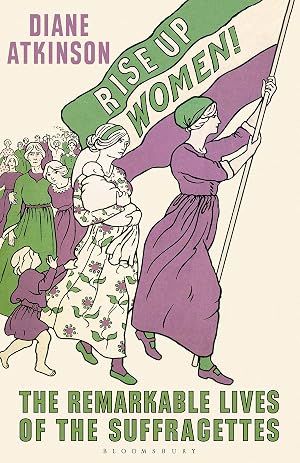
Rise Up, Women!
Diane Atkinson
The Remarkable Lives of the Suffragettes
4.8 (5)25 mins
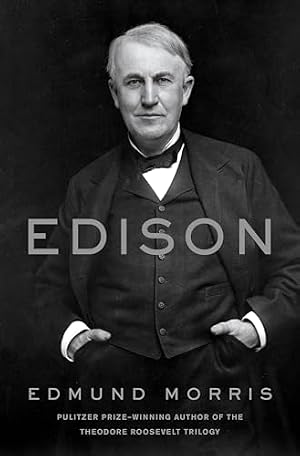
Bedtime Biography: Edison
Edmund Morris
A look into the unknown stories of Thomas Edison's life
4.8 (36)23 mins

Beethoven
Laura Tunbridge
A Life in Nine Pieces
4.7 (24)34 mins
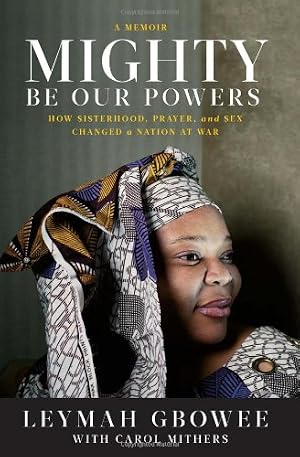
Mighty Be Our Powers
Leymah Gbowee with Carol Mithers
How Sisterhood, Prayer, and Sex Changed a Nation at War
4.7 (4)25 mins
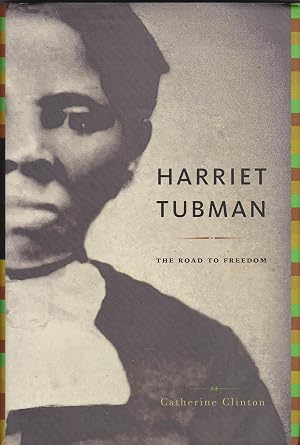
Bedtime Biography: Harriet Tubman
Catherine Clinton
The Road to Freedom
4.7 (34)26 mins
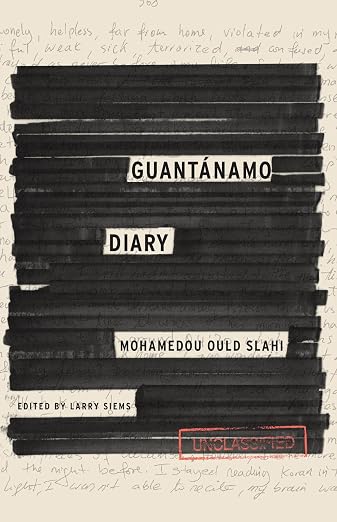
Guantánamo Diary
Mohamedou Ould Slahi, edited by Larry Siems
Guantanamo from the Inside
4.7 (3)27 mins
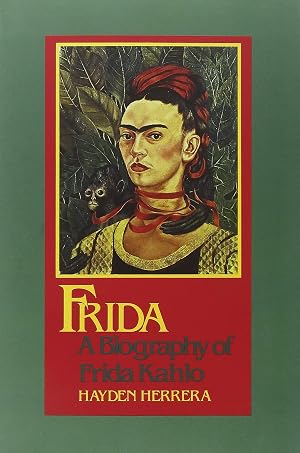
Bedtime Biography: Frida
Hayden Herrera
A Biography of Frida Kahlo
4.7 (12)21 mins
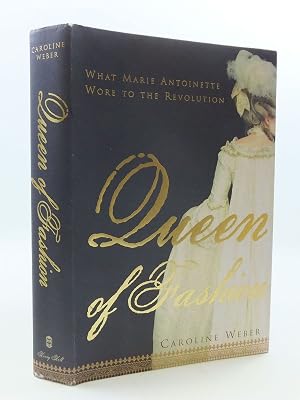
Bedtime Biography: Queen of Fashion
Caroline Weber
What Marie Antoinette Wore to the Revolution
4.6 (15)22 mins