

The Tipping Point
By Malcolm Gladwell
How Little Things Can Make a Big Difference
Introduction
Some ideas drift into the world quietly and disappear. Others catch fire. They move from person to person, street to street, city to city, until suddenly they are everywhere, and it feels as if they arrived overnight. That sudden moment is what this book is trying to understand. Why does one fashion trend explode while another fades? Why does one neighborhood clean itself up while another slides further into disorder? Why do some products, messages, and behaviors spread like viruses, while others never get off the ground at all? The answer begins with a simple but powerful thought. Big changes do not always require big causes. Sometimes they come from a small push at just the right time, in just the right place, delivered by just the right people. Social epidemics behave a lot like medical epidemics. They have patterns. They have rules. They can be studied. And once you see those rules, the world starts to look different. Seemingly mysterious booms and sudden transformations no longer appear random. They begin to look understandable, and perhaps even shapeable. At the heart of the book is the idea of the tipping point, that magic moment when an idea, trend, or social behavior crosses a threshold and spreads rapidly. Before that point, growth can seem slow, fragile, almost invisible. After it, the same thing can become unstoppable. What matters is not only the quality of the idea itself, but the structure of the environment around it. A message must be memorable. The context must be favorable. And the people carrying that message must have unusual social power. This is where the journey gets exciting. Malcolm Gladwell takes you through crime in New York City, the rise of Hush Puppies shoes, the spread of smoking among teenagers, the educational power of children’s television, and the strange social mechanics behind why some people know everyone and others know exactly what to say. He is less interested in abstract theory than in the hidden logic inside ordinary life. He wants to show that tiny details can make a giant difference. A cleaner subway car, a persuasive salesperson, a well crafted TV character, a handful of socially gifted people, any of these can set off a chain reaction. What makes the book so memorable is that it keeps asking you to reconsider scale. We often assume that major social change must come from sweeping reforms, massive budgets, or grand campaigns. But the argument here is almost the opposite. The world can turn on little things. A subtle shift in behavior can ripple outward. A small group can influence a crowd. An idea can become contagious. That is the promise of the pages ahead. They invite you to look beneath the surface of sudden change and see the hidden mechanics at work. Once you do, fads, products, crime waves, health messages, and everyday human interactions all start to feel part of the same surprising story.
Sign up to continue reading
Get access to full book summaries, audio of the summaries, and many more.
Similar Books
Books with a similar vibe—explore more like this.
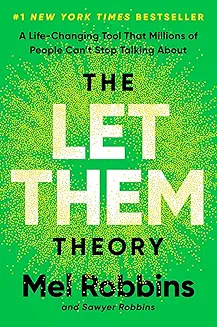
The Let Them Theory
Mel Robbins
A Life-Changing Tool That People Can't Stop Talking About
4.6 (2094)27 mins
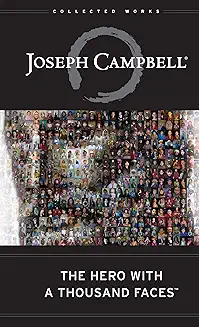
The Hero With a Thousand Faces
Joseph Campbell
Understanding the Hero’s Journey Through Psychology and Mythology
4.6 (473)20 mins
Breaking The Habit of Being Yourself
Joe Dispenza
How to Lose Your Mind and Create a New One
4.5 (415)23 mins
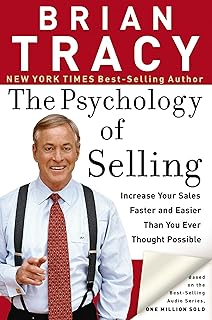
The Psychology of Selling
Brian Tracy
Increase Your Sales Faster and Easier Than You Ever Thought Possible
4.5 (466)21 mins
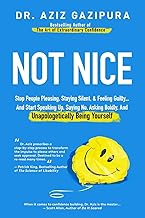
Not Nice
Aziz Gazipura
Stop People Pleasing, Staying Silent, & Feeling Guilt and Start Speaking Up, Saying No, Asking Boldly, and Unapologetically Being Yourself
4.5 (414)29 mins
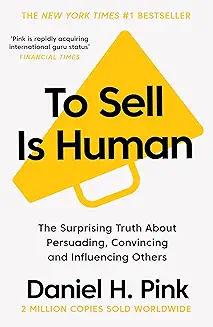
To Sell Is Human
Daniel H. Pink
The Surprising Truth About Moving Others
4.5 (624)34 mins
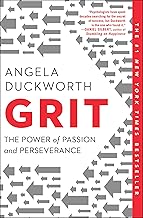
Grit
Angela Duckworth
The Power of Passion and Perseverance
4.5 (1938)32 mins
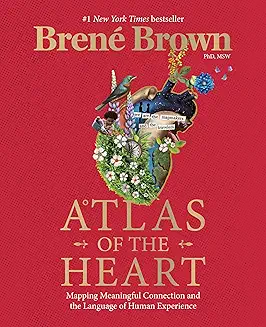
Atlas of the Heart
Brené Brown
Mapping Meaningful Connection and the Language of Human Experience
4.5 (1028)31 mins
Beyond Order
Jordan B. Peterson
12 More Rules for Life
4.5 (1283)31 mins
Mindset
Carol Dweck
The New Psychology of Success
4.4 (2959)33 mins