
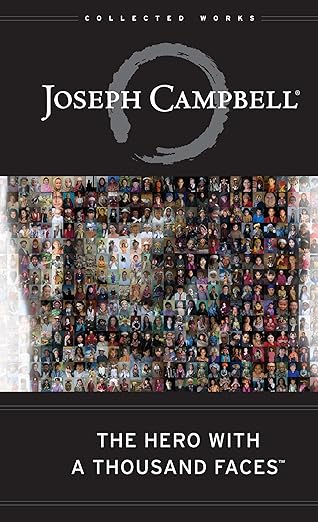
The Hero With a Thousand Faces Summary
By Joseph Campbell
Understanding the Hero’s Journey Through Psychology and Mythology
Summary preview
Open this book and you are invited into a grand recognition. The myths of the world, however strange they may first seem, are not random old tales from vanished peoples. They are living maps of the human spirit. Behind the masks of gods, dragons, kings, maidens, tricksters, and saviors, there is one deep pattern moving again and again through human life. Joseph Campbell calls this pattern the monomyth, the one great story beneath the many stories. It is the adventure of the hero, yet not only of the warrior or the saint. It is your adventure too. It is the movement from the familiar world into the unknown, from confusion into trial, from suffering into insight, and from insight back into life with a gift to share. The book sets out to show that myths from every corner of the earth speak to one another. A Polynesian tale, a Greek legend, a Buddhist story, a Christian symbol, a Native American ritual, and a fairy tale told to a child may all reveal the same secret shape. That shape is not mechanical. It is alive, flexible, and full of local color. But beneath the costumes and accents, there stands the same enduring drama. A person is called away from ordinary habits. He or she crosses a threshold. Strange powers appear. Helpers come. Monsters rise. Something must die, whether pride, innocence, fear, or the old self. Then comes illumination, or reconciliation, or a treasure won from the depths. At last the traveler returns, changed, and becomes a bridge between worlds. What makes this vision so compelling is that the hero’s path is not merely literary. It is psychological, spiritual, and social all at once. The stories tell us what happens when we cling too tightly to safety. They tell us what happens when we dare to move into the forest where there is no clear path. They reveal the ancient truth that the cave you fear to enter holds the treasure you seek. Again and again the book insists that myth is not an escape from life. It is a way of seeing life truly. There is also a generous boldness in the whole undertaking. Rather than treating religions and myths as enemies, the book listens for their common music. The many images differ, but the awakening they point toward is often shared. To follow this argument is to be led through a gallery of symbols where birth, death, marriage, battle, sacrifice, descent, rebirth, and return all become signs of inward transformation. So the journey ahead is both scholarly in range and intimate in feeling. It asks you to read old stories not as dead relics but as mirrors. It suggests that the crises of modern life, no less than the ordeals of ancient heroes, belong to this timeless adventure. If you have ever felt summoned by something larger than comfort, wounded by change, torn between duty and desire, or remade by suffering, then you already know the beginning of this book....
Sign up to continue reading
Get access to full book summaries, audio of the summaries, and many more.
Similar Books
Books with a similar vibe—explore more like this.
Not Nice
Aziz Gazipura
Stop People Pleasing, Staying Silent, & Feeling Guilt and Start Speaking Up, Saying No, Asking Boldly, and Unapologetically Being Yourself
4.5 (414)29 mins
Atlas of the Heart
Brené Brown
Mapping Meaningful Connection and the Language of Human Experience
4.5 (1028)31 mins
The Difference that Makes the Difference
Josh Davis, Greg Prosmushkin
NLP and the Science of Positive Change
4.4 (29)22 mins
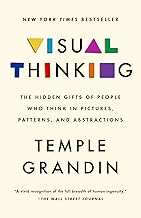
Visual Thinking
Temple Grandin
The Hidden Gifts of People Who Think in Pictures, Patterns, and Abstractions
4.2 (270)26 mins
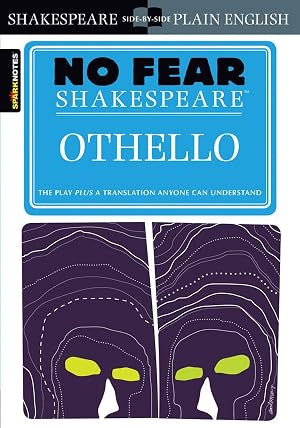
Othello
William Shakespeare
Love, Betrayal, and the Fall of a Hero
4.8 (14) mins
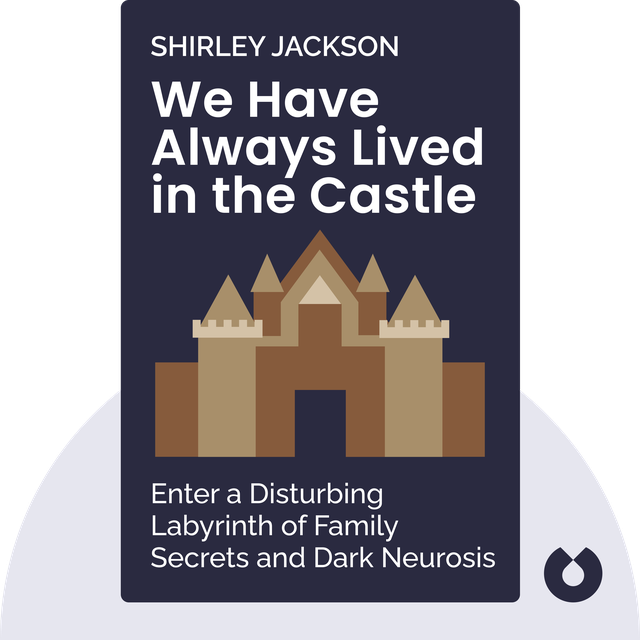
We Have Always Lived in the Castle
Shirley Jackson
Enter a Disturbing Labyrinth of Family Secrets and Dark Neurosis
4.8 (5) mins
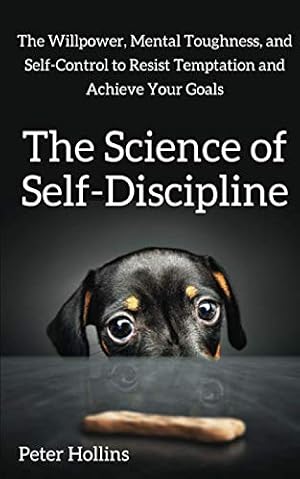
The Science of Self-Discipline
Peter Hollins
Resist Temptation and Achieve Your Goals
4.7 (71)20 mins

Once Upon a Stranger
Gillian Sandstrom
The Science of How Small Talk Can Add Up to a Big Life
4.7 (21) mins
Presentation Advantage
Kory Kogon, Breck England and Julie Schmidt
How to Inform and Persuade Any Audience
4.7 (72) mins
The New Emotional Intelligence
Travis Bradberry
Master your emotional skills for lasting success
4.7 (48) mins