
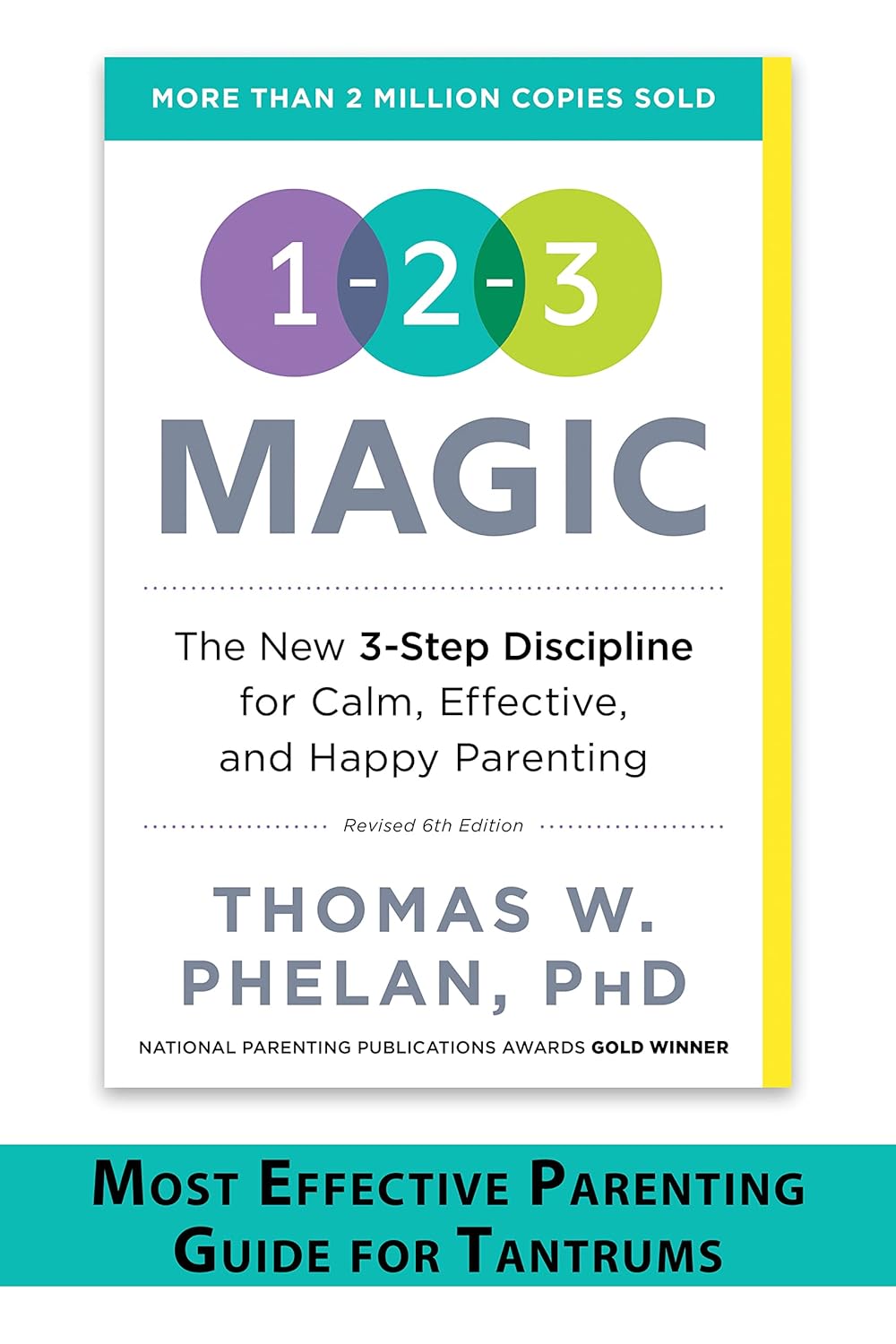
1-2-3 Magic Summary
By Thomas W. Phelan
Effective Discipline for Children 2-12
Summary preview
Parenting can feel like living with two different jobs at once. One job is loving your kids, laughing with them, teaching them, and helping them grow. The other job is stopping the chaos. You have to deal with whining, arguing, tantrums, teasing, stalling, sibling battles, messes, backtalk, and that strange ability children have to act as if they did not hear a single word you just said. The big promise of 1 2 3 Magic is that discipline does not have to be loud, complicated, or exhausting. You do not need endless lectures, threats, bargaining, or emotional warfare. You need a simple system that works. That is the heart of what Thomas W. Phelan offers. The book is built around a straightforward idea. Parents often get dragged into too much talking, too much anger, and too much confusion when children misbehave. Kids learn to stall, negotiate, cry, charm, and push buttons because adults make discipline into a conversation. The method here cuts through all that. For stop behavior, things you want the child to quit doing, the parent counts. That is it. You calmly say, "That’s 1." If the behavior continues, "That’s 2." If it happens again, "That’s 3. Take 5," or whatever brief consequence fits the child’s age and the family plan. No arguing. No explaining in the heat of the moment. No screaming. No courtroom speeches. But the book is not only about stopping behavior. It also teaches how to start behavior, meaning the things you want kids to begin doing, such as getting dressed, doing homework, cleaning up, or coming to dinner. Here the approach shifts. Instead of counting, you learn how to use routines, praise, simple requests, and practical motivation. The idea is that discipline has two sides. One side helps you shut down nonsense. The other side helps you build cooperation, responsibility, and family habits that actually last. Running underneath the whole book is a very human insight. Adults and children can get trapped in unhealthy patterns. Parents become what the book playfully calls little amateur shrinks. They overanalyze, overtalk, and overreact. Children become brilliant testers of limits. They discover exactly how to pull adults into arguments. The result is misery for everyone. The method tries to break that cycle with calm, consistency, and emotional control. There is also a deeper message here about relationships. Firm discipline is not the opposite of love. In fact, clear limits can make family life more peaceful and affectionate because everyone knows where the boundaries are. When discipline stops being dramatic, parents have more energy for enjoyment, encouragement, and genuine connection. That is what makes this book so appealing. It does not ask you to become a perfect parent. It asks you to become a calmer one, a clearer one, and a more consistent one. From there, a different home atmosphere becomes possible.
Sign up to continue reading
Get access to full book summaries, audio of the summaries, and many more.
Similar Books
Books with a similar vibe—explore more like this.
How to Talk So Kids Will Listen
Faber & Mazlish
The parenting bible
4.6 (2284)31 mins
Parenting
Andy & Sandra Stanley
Getting It Right
4.6 (43) mins
The Power of Neurodiversity
Thomas Armstrong
Unleashing the Advantages of Your Differently Wired Brain
4.5 (829)27 mins
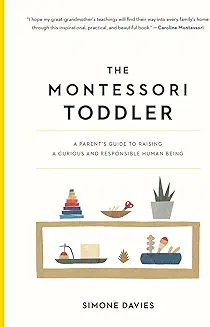
The Montessori Toddler
Simone Davies
A Parent's Guide to Raising a Curious and Responsible Human Being
4.4 (1283)29 mins
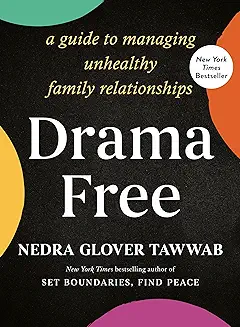
Drama Free
Nedra Glover Tawwab
A Guide to Managing Unhealthy Family Relationships
4.4 (582)23 mins
Fourteen Talks by Age Fourteen
Michelle Icard
The Essential Conversations You Need to Have with Your Kids Before They Start High School
4.2 (296)22 mins
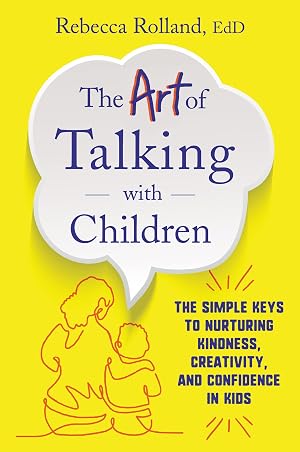
The Art of Talking with Children
Rebecca Rolland
Nurturing Kindness, Creativity, and Confidence in Kids
4.1 (7)24 mins

Sexploitation
Cindy Pierce
Helping Kids Develop Healthy Sexuality in a Porn-Driven World
3.9 (7) mins
Cold Calling Sucks (And That's Why It Works)
Nick Cegelski, Armand Farrokh
A Step-by-Step Guide to Calling Strangers in Sales
4.8 (459)20 mins
No One Succeeds Alone
Robert Reffkin
Learn Everything You Can from Everyone You Can
4.8 (9) mins