
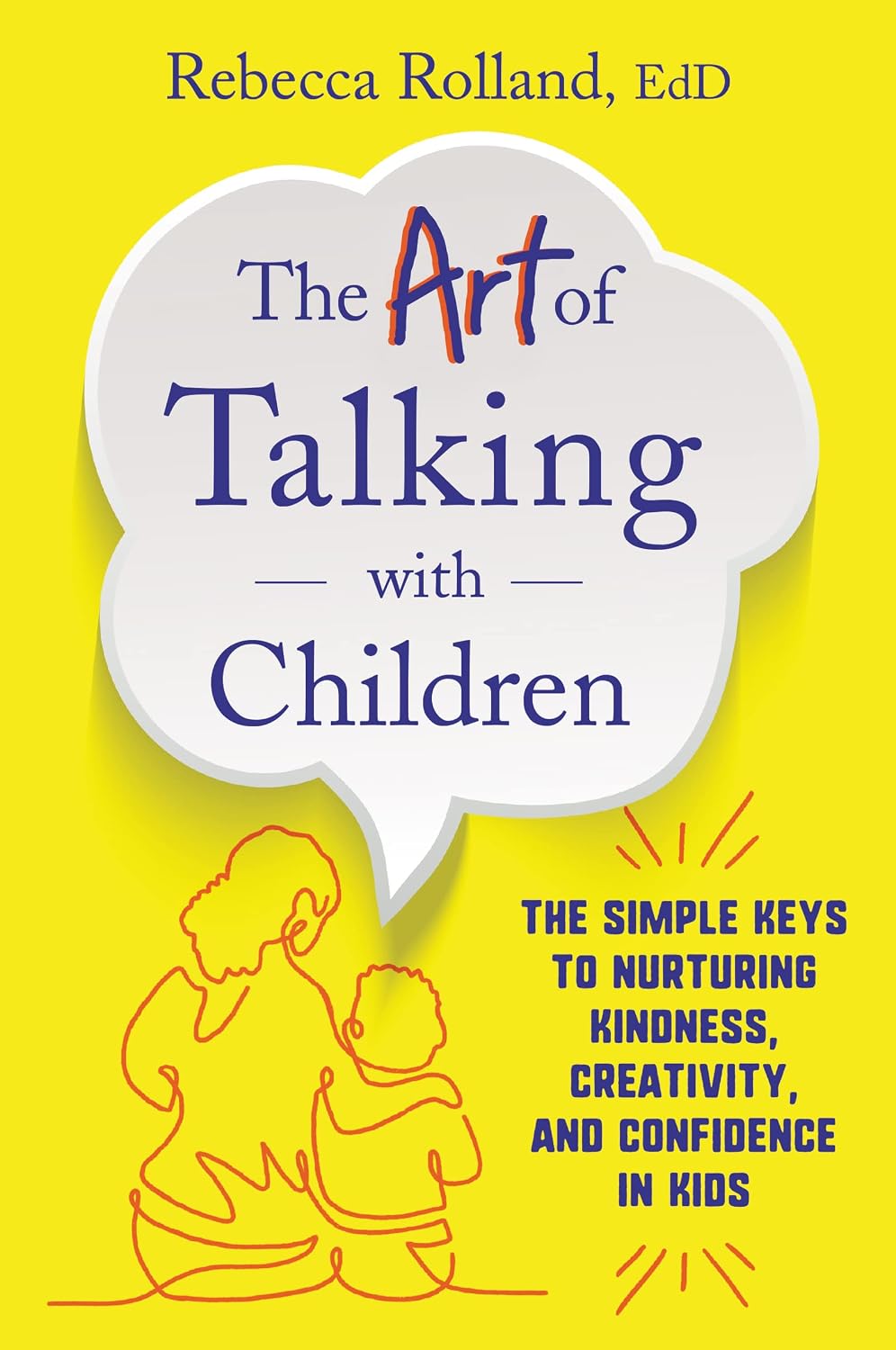
The Art of Talking with Children Summary
By Rebecca Rolland
Nurturing Kindness, Creativity, and Confidence in Kids
Summary preview
Talking with children can look simple from the outside. Words come and go all day long. We ask them to put on shoes, wash hands, finish homework, and tell us what happened at school. Yet anyone who has spent time with a child knows that real conversation is something else entirely. It is not just about giving directions or collecting information. It is about building a relationship sturdy enough to hold curiosity, fear, delight, confusion, anger, and hope. That is the heart of The Art of Talking with Children. Rebecca Rolland invites you to see conversation not as a small daily tool, but as one of the deepest ways we help children grow into themselves. The book starts from a generous and freeing idea. You do not need to be perfect. You do not need the right script for every hard moment. What matters more is the quality of your attention and your willingness to keep learning alongside the child in front of you. Conversation, as this book shows again and again, is not a performance. It is a living exchange. It shapes how children think, how they learn to express themselves, how they come to trust others, and how they make sense of a complicated world. When we talk with children well, we are doing much more than filling silence. We are helping them develop language, confidence, empathy, flexibility, and resilience. What makes this approach especially powerful is how grounded it is in ordinary life. The book does not stay in theory. It moves through family dinners, bedtime questions, classroom moments, sibling conflicts, worries about screens, and the strained conversations that happen when emotions run hot. It asks you to notice what opens a child up and what shuts them down. It asks you to listen for what lies beneath the words. It also reminds you that children are not empty vessels waiting to be filled by adult wisdom. They are already thinkers, storytellers, and meaning makers. Our job is not simply to teach them to talk. Our job is to join them in a kind of dialogue that helps both of us see more clearly. Throughout the book, the message is steady and hopeful. Great conversations are built from habits anyone can practice. They grow through presence, good questions, flexible listening, and room for imagination. They become strongest when children feel respected rather than managed. By the end, you come away with a new picture of what speaking and listening can do. A conversation can calm a storm, spark an idea, repair a rupture, or turn a passing moment into a memory that lasts. This is a book about language, yes, but even more, it is a book about connection.
Sign up to continue reading
Get access to full book summaries, audio of the summaries, and many more.
Similar Books
Books with a similar vibe—explore more like this.
Humor Me
Christopher Duffy
How Laughing More Can Make You Present, Creative, Connected, and Happy
4.7 (28)23 mins
Playful
Cas Holman
How Play Shifts Our Thinking and Sparks Creativity
4.5 (13)20 mins
Non-Obvious Thinking
Rohit Bhargava, Ben DuPont
How to See What Others Miss
4.3 (768)18 mins
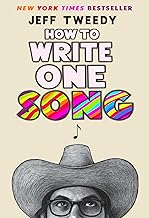
How to Write One Song
Jeff Tweedy
Loving the Things We Create and How They Love Us Back
4.0 (139)22 mins
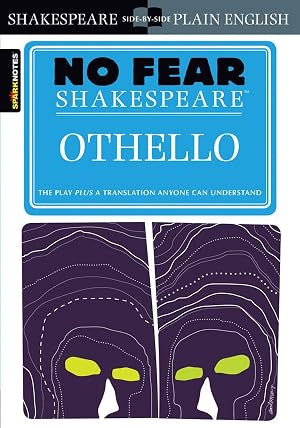
Othello
William Shakespeare
Love, Betrayal, and the Fall of a Hero
4.8 (14)22 mins
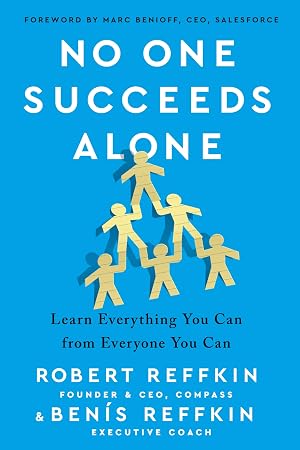
No One Succeeds Alone
Robert Reffkin
Learn Everything You Can from Everyone You Can
4.8 (9)23 mins

Set Boundaries, Find Peace
Nedra Glover Tawwab
A Guide to Reclaiming Yourself
4.7 (819)27 mins

Once Upon a Stranger
Gillian Sandstrom
The Science of How Small Talk Can Add Up to a Big Life
4.7 (21)22 mins
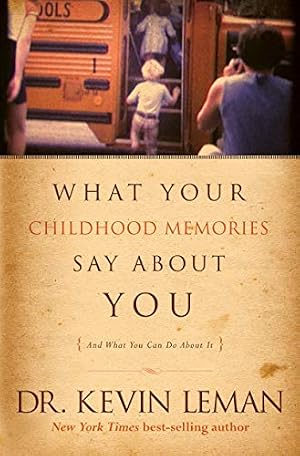
What Your Childhood Memories Say About You
Kevin Leman
And What You Can Do about It
4.7 (17)23 mins
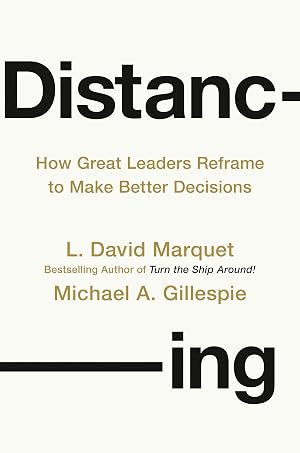
Distancing
L. David Marquet, Michael A. Gillespie
How Great Leaders Reframe to Make Better Decisions
4.7 (22)24 mins