
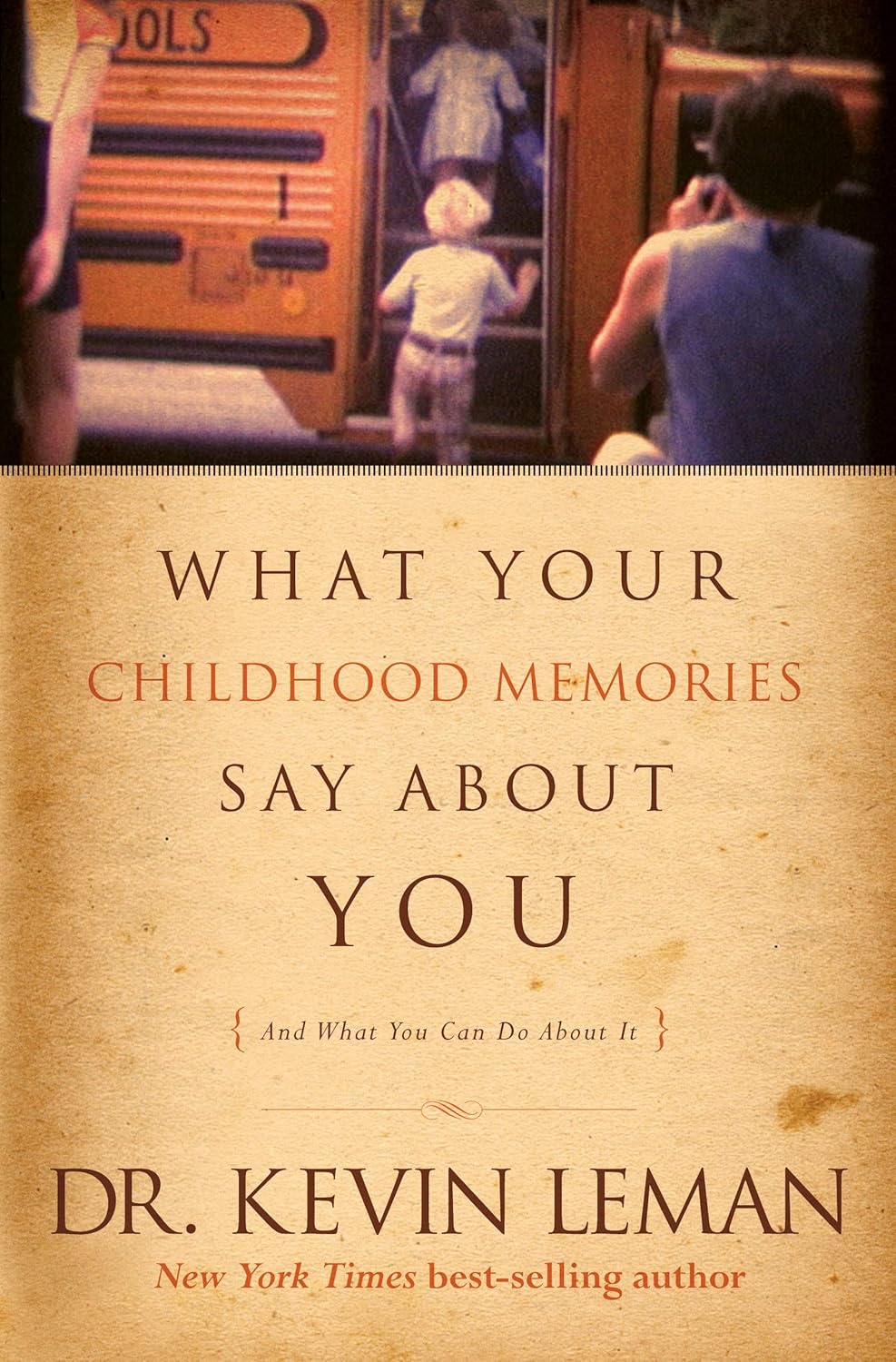
What Your Childhood Memories Say About You Summary
By Kevin Leman
And What You Can Do about It
Summary preview
Most people think their childhood memories are little scraps from long ago. A birthday party. A fall off a bike. A teacher who praised you. A day when you felt left out. You may shrug and say, I just happen to remember those things. But the big idea of this book is that your earliest memories are not random at all. They are loaded with meaning. They act like tiny windows into the way you see life, the way you handle people, the fears you carry, and the goals you chase without even knowing it. That is the heart of what Kevin Leman wants you to see. He takes a simple question, What do you remember from childhood, and turns it into a surprisingly powerful tool for self understanding. The book says that early recollections are like personal headlines. They do not give a full history of your childhood, and they do not work like a video camera that captured the past exactly as it happened. Instead, they show what your mind chose to keep because those moments fit your private view of the world. In other words, what you remember says as much about who you are now as it does about what happened back then. This is not presented as dry psychology. It is lively, practical, and full of recognizable people and everyday scenes. You meet men and women who cannot understand why they always need approval, why they never trust others, why they push themselves so hard, or why they pull back from conflict. Then an early memory comes into view, and suddenly a pattern starts making sense. A child standing alone in a yard. A little girl proudly helping in the kitchen. A boy getting embarrassed in front of a class. These moments may look small, but they often point to the private logic a person has carried into adult life. The book also connects childhood memories with other shaping forces, especially family position. Firstborns, middle children, youngest children, and only children often develop different ways of moving through the world. Those patterns do not explain everything, but they help explain a lot. When you put birth order together with early memories, the picture gets even clearer. What makes the book especially appealing is its hopeful spirit. The message is not that your past has trapped you. It is that your memories can help you understand the script you have been living by. Once you see the script, you can challenge it, rewrite parts of it, and make wiser choices in relationships, work, parenting, and everyday life. The book invites you to become curious about yourself, not ashamed of yourself. It says, in effect, if you want to know why you do what you do, go back and listen to the child you once were. That child still has a lot to tell you.
Sign up to continue reading
Get access to full book summaries, audio of the summaries, and many more.
Similar Books
Books with a similar vibe—explore more like this.
Who's the Favorite?
Catherine Carr
The Loving, Messy Realities of Sibling Relationships
4.6 (9)22 mins
Raising Securely Attached Kids
Eli Harwood
Using Connection-Focused Parenting to Create Confidence, Empathy, and Resilience
4.5 (726)25 mins
Bad Therapy
Abigail Shrier
Why the Kids Aren't Growing Up
4.4 (629)22 mins
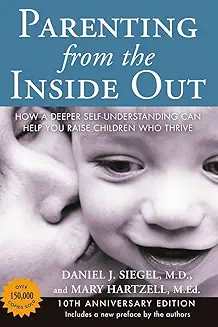
Parenting from the Inside Out
Daniel J. Siegel & Mary Hartzell
How a Deeper Self-Understanding Can Help You Raise Children Who Thrive: 10th Anniversary Edition
4.3 (926)25 mins

The Absent Father Effect on Daughters
Susan E. Schwartz
Father Desire, Father Wounds
4.0 (46)21 mins
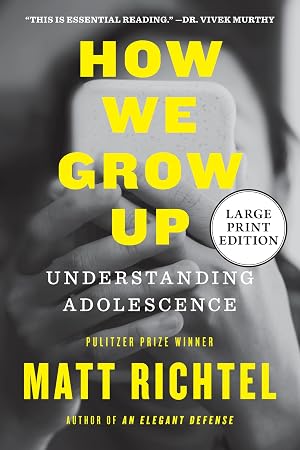
How We Grow Up
Matt Richtel
Understanding Adolescence
4.0 (20)23 mins
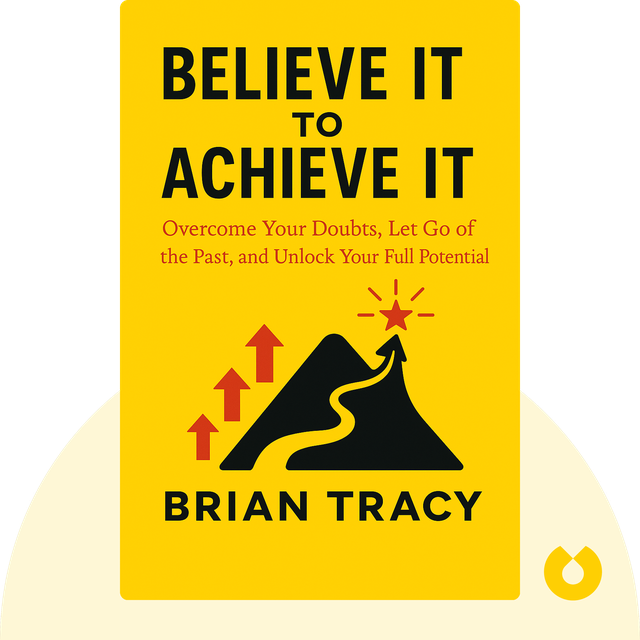
Believe It to Achieve It
Brian Tracy, Christina Stein
Overcome Your Doubts, Let Go of the Past, and Unlock Your Full Potential
4.8 (32)22 mins
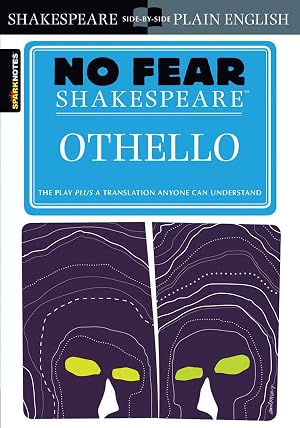
Othello
William Shakespeare
Love, Betrayal, and the Fall of a Hero
4.8 (14)22 mins
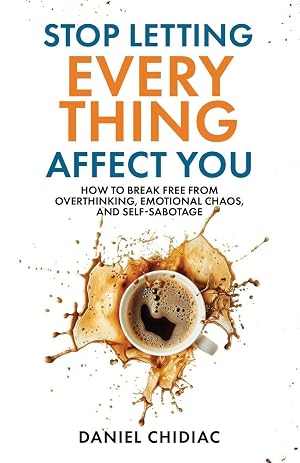
Stop Letting Everything Affect You
Daniel Chidiac
Break Free from Overthinking, Emotional Chaos, and Self-Sabotage
4.8 (12)23 mins
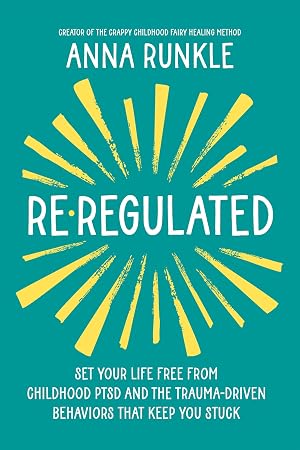
Re-Regulated
Anna Runkle
Set Your Life Free from Childhood PTSD
4.8 (10)21 mins