
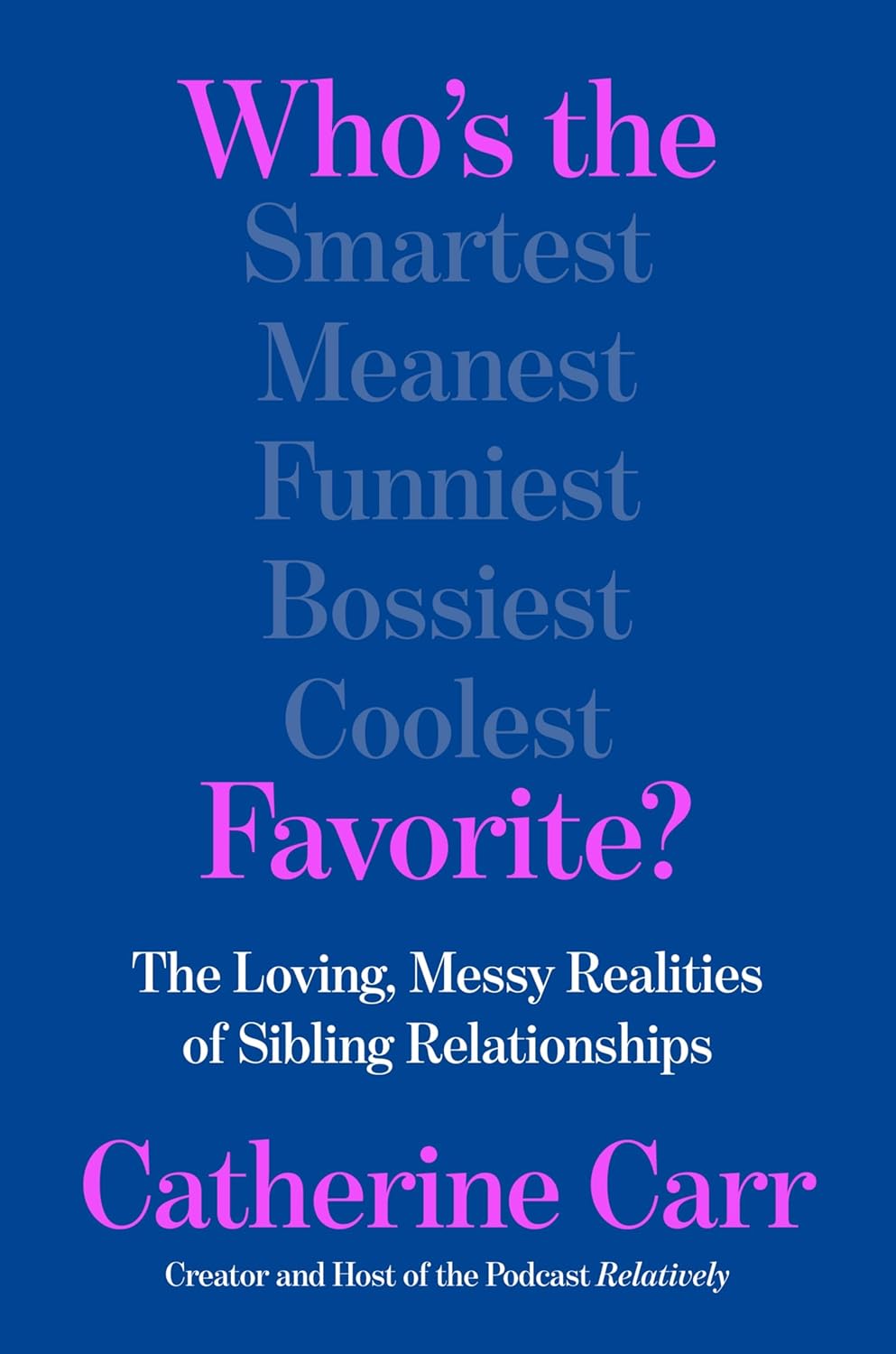
Who's the Favorite? Summary
By Catherine Carr
The Loving, Messy Realities of Sibling Relationships
Summary preview
At the heart of Who's the Favorite? is a question almost every family knows and almost nobody wants to say out loud. Do parents really love one child more than another? And if they do, what happens next? Catherine Carr takes that uneasy thought and turns it into something much bigger than a simple family mystery. She opens a door into the private world of brothers and sisters, parents and children, old wounds and quiet loyalties, and she asks us to sit still long enough to hear what people usually keep hidden. The book grows out of conversations, memories, and careful listening. It is not built on easy judgments. Instead, it follows the emotional truth that favoritism, whether real or only felt, can shape a life. A look, a pattern, a habit, a story repeated at the dinner table, who gets defended, who gets teased, who gets relied on, who gets forgiven, who gets noticed. These things may seem small when they happen, but they can settle deep inside a person and stay there for years. What makes the book so gripping is that it does not treat this as a neat problem with a neat answer. Love inside a family is messy. It can be generous and unfair at the same time. As the story unfolds, we meet people trying to understand what happened in their homes and what that history did to them. Some are sure they were the chosen child. Some are certain they were not. Some have spent years trying to earn a place they felt was always given more freely to someone else. Others carry the burden of being the one who was favored, discovering that special treatment can distort a life just as surely as neglect can. The book listens closely to both kinds of pain. What gives the work its force is the way it connects intimate family stories to larger questions about identity, memory, and belonging. How much of who we become is shaped by the role we were given at home? Can siblings ever fully agree about the same childhood? Can parents admit partiality without destroying the image of fairness they want to believe in? And can a family speak honestly about preference without tearing itself apart? This is a book about comparison, but it is also about longing. It is about the wish to be seen clearly and loved securely. It is about how children become adults still carrying the echo of early rankings, whether spoken or not. By the time you move deeper into these pages, the title stops sounding playful and starts sounding like a challenge. Not just who was the favorite, but what did that belief cost everyone involved, and is there any way to live more freely after it.
Sign up to continue reading
Get access to full book summaries, audio of the summaries, and many more.
Similar Books
Books with a similar vibe—explore more like this.
What Your Childhood Memories Say About You
Kevin Leman
And What You Can Do about It
4.7 (17)23 mins
Raising Securely Attached Kids
Eli Harwood
Using Connection-Focused Parenting to Create Confidence, Empathy, and Resilience
4.5 (726)25 mins
Atlas of the Heart
Brené Brown
Mapping Meaningful Connection and the Language of Human Experience
4.5 (1028)31 mins
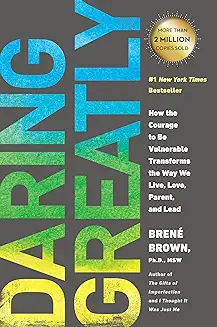
Daring Greatly
Brené Brown
How the Courage to Be Vulnerable Transforms the Way We Live, Love, Parent, and Lead
4.4 (1273)37 mins
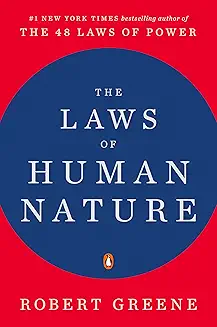
The Laws of Human Nature
Robert Greene
What affects your day-to-day life
4.4 (940)32 mins

Mindsight
Daniel J. Siegel
Transform Your Brain With the New Science of Kindness
4.4 (1282)28 mins
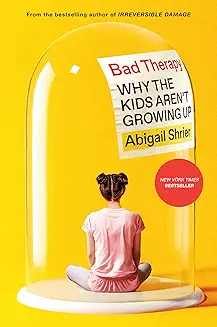
Bad Therapy
Abigail Shrier
Why the Kids Aren't Growing Up
4.4 (629)22 mins
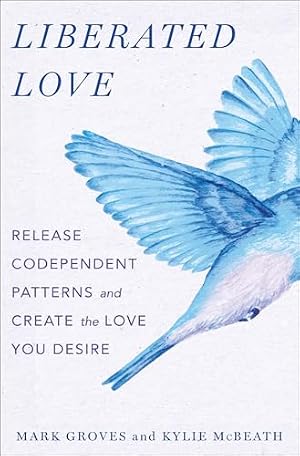
Liberated Love
Mark Groves & Kylie McBeath
Release Codependent Patterns and Create the Love You Desire
4.4 (10)19 mins
Crucial Conversations
Kerry Patterson, Joseph Grenny, Ron McMillan, Al Switzler
Tools for Talking When Stakes Are High
4.3 (658)32 mins
Parenting from the Inside Out
Daniel J. Siegel & Mary Hartzell
How a Deeper Self-Understanding Can Help You Raise Children Who Thrive: 10th Anniversary Edition
4.3 (926)25 mins