
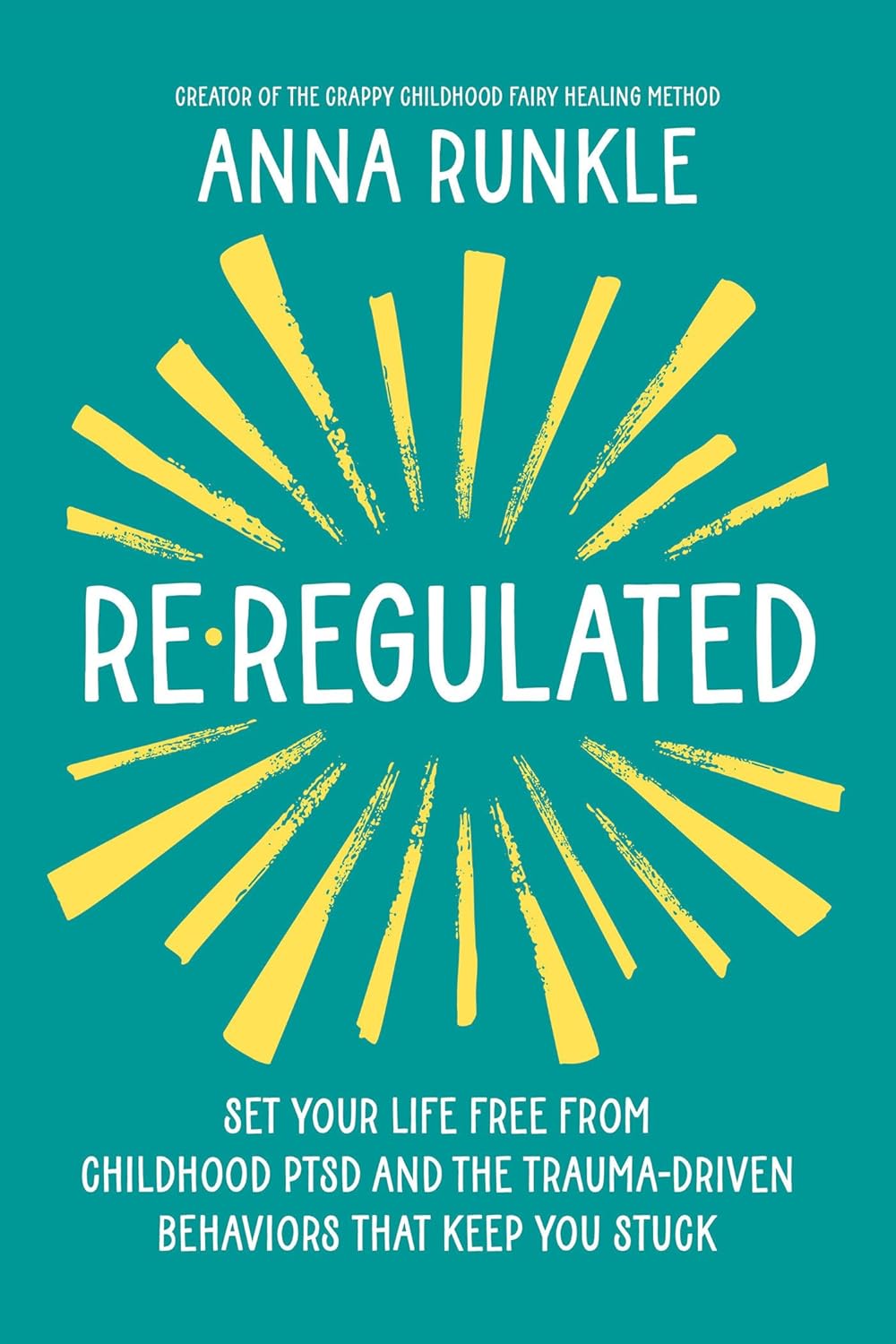
Re-Regulated Summary
By Anna Runkle
Set Your Life Free from Childhood PTSD
Summary preview
There is a kind of pain that does not look dramatic from the outside. You go to work. You answer messages. You try to love people well. You may even be funny, capable, and generous. But inside, your nerves are jangling all the time. You overthink a text. You freeze when a simple task should be easy. You react too fast, or shut down too hard. You feel lonely even when people care about you. Then you blame yourself for all of it. That is the place this book steps into with a lot of honesty and a lot of hope. Re Regulated is about what happens when childhood trauma teaches your nervous system to live in survival mode, long after the danger is gone. It says the problem is not that you are weak, broken, or somehow missing the life skills everyone else got. The problem is dysregulation. Your body learned to brace, scan, fear, please, avoid, or explode because those patterns once helped you survive. They are not character flaws. They are adaptations. And if they were learned, they can be unlearned. The book speaks directly to people with what is often called complex trauma. That means not just one terrible event, but an atmosphere of instability, neglect, chaos, criticism, addiction, abandonment, or emotional absence that shaped the developing brain and body. It helps explain why smart people with good intentions can still sabotage relationships, struggle to focus, get trapped in addictive habits, or feel deep shame that seems to come from nowhere. What makes the message land is that it never stays abstract. It keeps returning to lived experience, to those painfully ordinary moments when you know what you want to do, but your body seems to have other plans. Anna Runkle writes from the understanding that healing does not begin with endless analysis. It begins when you learn to calm your own system and tell the truth about what is happening in you. Regulation comes before clarity. It comes before better choices. It comes before the life you want can really take shape. So the book offers a practical path, one built on simple daily methods, emotional honesty, boundaries, and a new way of seeing symptoms. Instead of asking, What is wrong with me, you start asking, What happened to me, and what is my nervous system doing right now? That shift changes everything. It brings compassion where there used to be shame. It brings skill where there used to be confusion. Most of all, it offers a way out of the exhausting loop of being triggered, acting from that trigger, then regretting the consequences. The promise here is not perfection. It is steadiness. It is self trust. It is the chance to come back into your own life with your mind, heart, and body finally on the same side.
Sign up to continue reading
Get access to full book summaries, audio of the summaries, and many more.
Similar Books
Books with a similar vibe—explore more like this.
The Grieving Body
Mary-Frances O'Connor
How the Stress of Loss Can Be an Opportunity for Healing
4.7 (9)22 mins
The 5 Resets
Aditi Nerurkar
Rewire Your Brain and Body for Less Stress and More Resilience
4.6 (61)22 mins
Atlas of the Heart
Brené Brown
Mapping Meaningful Connection and the Language of Human Experience
4.5 (1028)31 mins
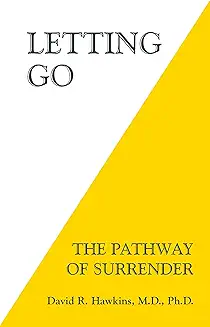
Letting Go
David R. Hawkins
The Pathway of Surrender
4.4 (1029)21 mins
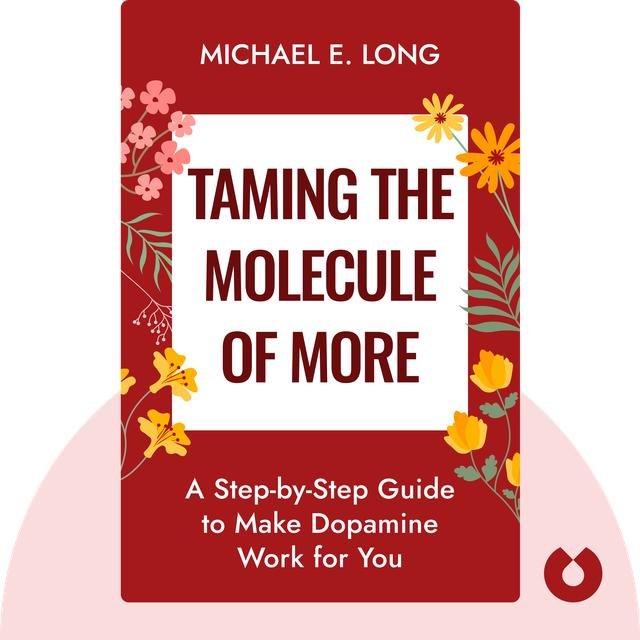
Taming the Molecule of More
Michael E. Long
A Step-by-Step Guide to Make Dopamine Work for You
4.4 (15)21 mins
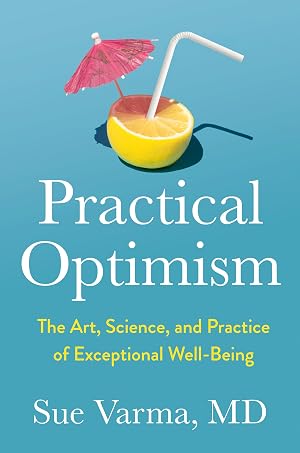
Practical Optimism
Sue Varma, M.D.
The Art, Science, and Practice of Exceptional Well-Being
4.4 (63)20 mins
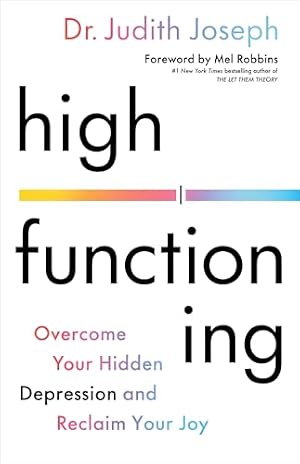
High Functioning
Judith Joseph
How to Overcome Your Hidden Depression and Reclaim Your Joy
4.4 (8)23 mins
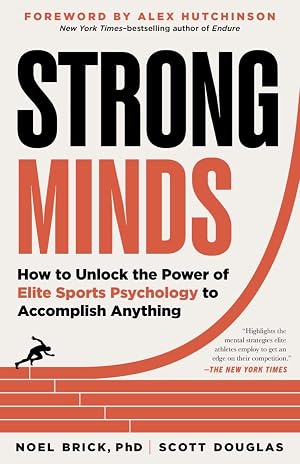
Strong Minds
Noel Brick
Unlock the Power of Elite Sports Psychology
4.4 (40)22 mins
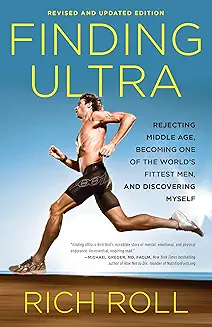
Finding Ultra
Rich Roll
Rejecting Middle Age, Becoming One of the World's Fittest Men, and Discovering Myself
4.3 (638)30 mins
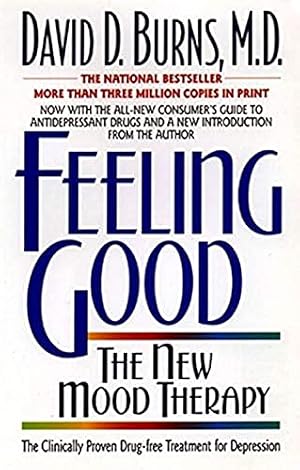
Feeling Good
David D. Burns
The New Mood Therapy
4.3 (22)23 mins