
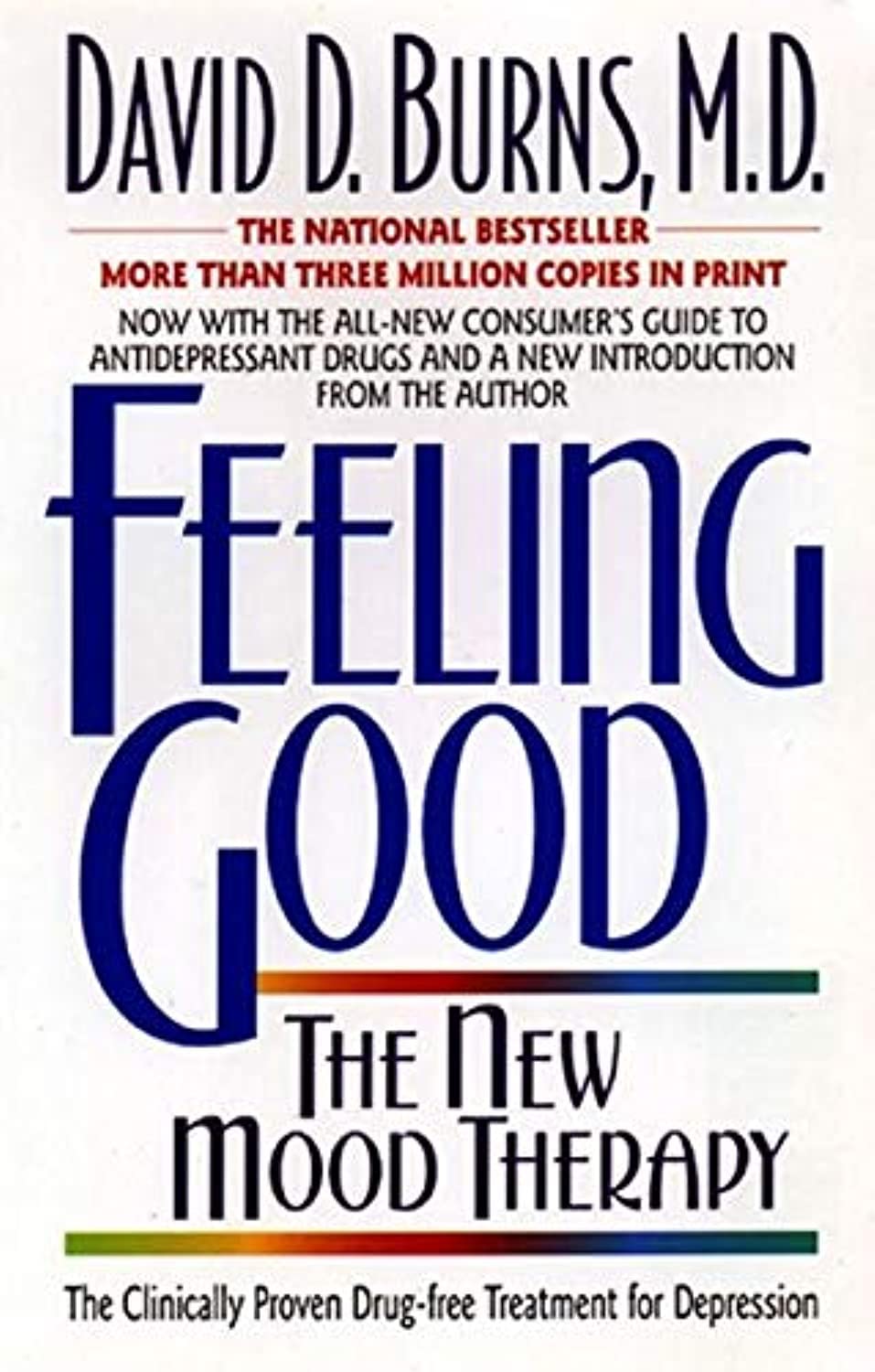
Feeling Good Summary
By David D. Burns
The New Mood Therapy
Summary preview
Feeling Good is a deeply practical promise wrapped in a very human voice. It begins with a simple but life changing idea. When you feel depressed, anxious, ashamed, or hopeless, those painful emotions do not always come straight from reality itself. They often come from the way you are interpreting reality. That may sound almost too simple at first. If you are suffering, the pain feels solid, final, and true. It can seem as if your sadness proves that you really are worthless, unlovable, broken, or trapped. But the book asks you to pause and consider another possibility. What if your feelings are intensely real, yet the thoughts creating them are distorted, unfair, and incomplete? David D. Burns builds the whole book around that possibility. He wants to show you that depression is not just a vague cloud drifting over your life. It has a structure. It follows patterns. It feeds on habitual ways of thinking that are so fast and familiar you may barely notice them. Once you learn to catch those thoughts, name the distortions in them, and answer them with greater honesty, your mood can begin to shift. Not because you are pretending everything is fine, and not because you are forcing yourself to be cheerful, but because you are learning to think more clearly. What gives the book its energy is that it is not content to offer comforting theory. It is packed with tools, exercises, dialogues, checklists, and vivid examples from therapy. You meet people who feel crushed by failure, terrified of rejection, dependent on constant approval, or frozen by perfectionism. Their struggles are presented in ways that make you recognize parts of yourself. Then you watch the methods at work. A person who says, "I am a complete loser," is gently led to test that claim. Someone who assumes a sad marriage means permanent ruin begins to uncover the thoughts driving the despair. Again and again, the message is that moods can change when thoughts change. The book also has a generous spirit. It does not scold you for feeling bad. It does not demand superhuman discipline. Instead, it speaks like a skilled, encouraging doctor who believes you can recover even if you do not yet believe it yourself. Depression tells you that nothing will help and that you are the exception to every hopeful rule. The book answers with patience, evidence, and step by step practice. Its purpose is not merely to explain depression, but to hand you methods you can actually use in daily life. By the end, the larger message is clear. Your suffering is understandable, but it is not the final truth about you. There are ways to fight back, and those ways begin in the intimate, powerful conversation you have with your own mind.
Sign up to continue reading
Get access to full book summaries, audio of the summaries, and many more.
Similar Books
Books with a similar vibe—explore more like this.

Re-Regulated
Anna Runkle
Set Your Life Free from Childhood PTSD
4.8 (10)21 mins
The Grieving Body
Mary-Frances O'Connor
How the Stress of Loss Can Be an Opportunity for Healing
4.7 (9)22 mins
The 5 Resets
Aditi Nerurkar
Rewire Your Brain and Body for Less Stress and More Resilience
4.6 (61)22 mins

Atlas of the Heart
Brené Brown
Mapping Meaningful Connection and the Language of Human Experience
4.5 (1028)31 mins

Letting Go
David R. Hawkins
The Pathway of Surrender
4.4 (1029)21 mins
Taming the Molecule of More
Michael E. Long
A Step-by-Step Guide to Make Dopamine Work for You
4.4 (15)21 mins
Practical Optimism
Sue Varma, M.D.
The Art, Science, and Practice of Exceptional Well-Being
4.4 (63)20 mins
High Functioning
Judith Joseph
How to Overcome Your Hidden Depression and Reclaim Your Joy
4.4 (8)23 mins

Strong Minds
Noel Brick
Unlock the Power of Elite Sports Psychology
4.4 (40)22 mins

Finding Ultra
Rich Roll
Rejecting Middle Age, Becoming One of the World's Fittest Men, and Discovering Myself
4.3 (638)30 mins