
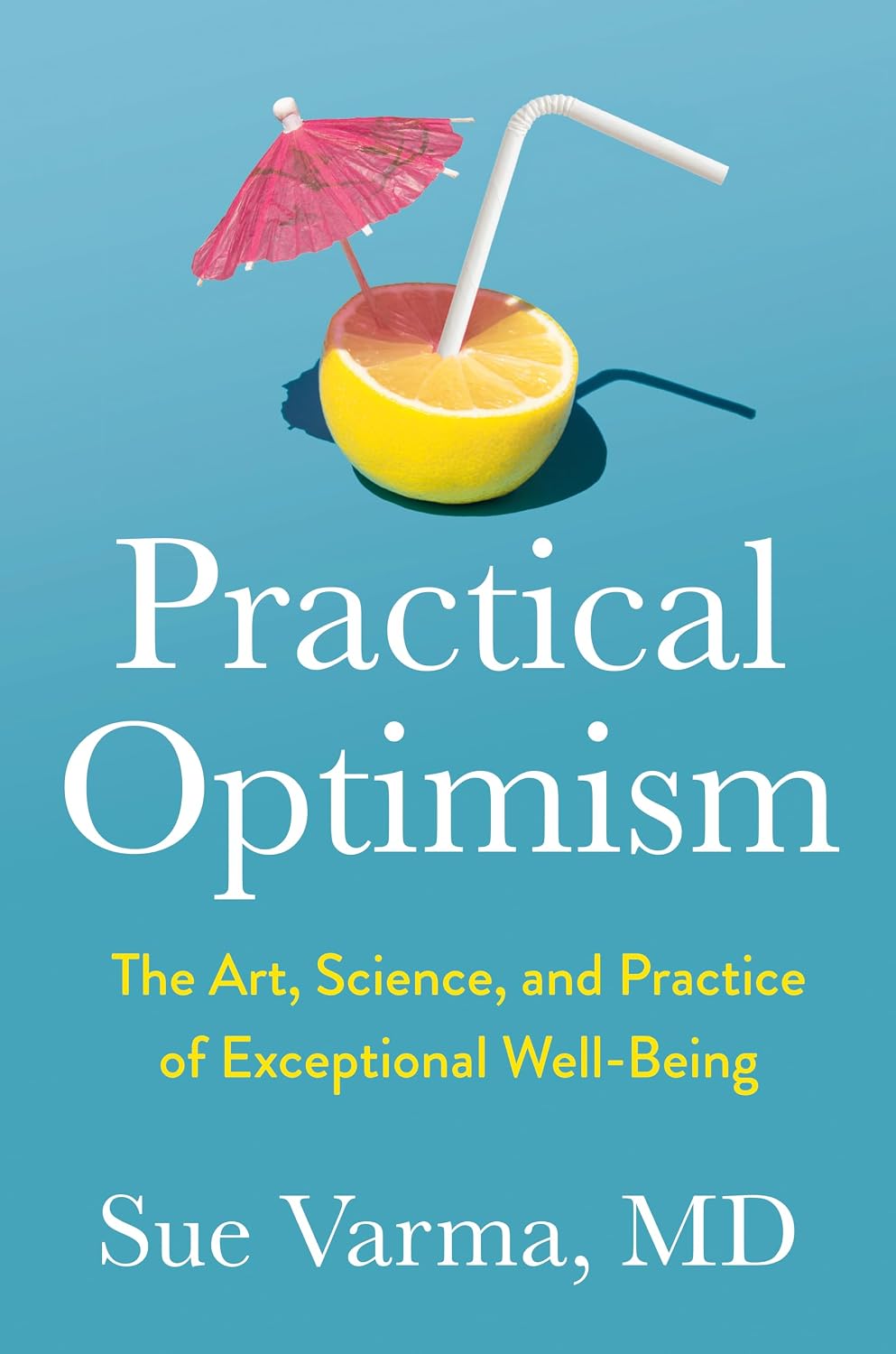
Practical Optimism Summary
By Sue Varma, M.D.
The Art, Science, and Practice of Exceptional Well-Being
Summary preview
Practical optimism begins with a promise that feels both comforting and challenging. You do not need to become a relentlessly cheerful person to live with more hope, steadiness, and joy. You do not need to deny pain, force gratitude, or pretend everything is fine. What you need is a way to meet real life, with all its uncertainty, setbacks, disappointments, and demands, while still believing that something meaningful and workable is possible. That is the heart of this book. It is an invitation to build optimism not as a mood, but as a skill. Sue Varma, M.D. writes from the crossroads of psychiatry, everyday stress, and lived experience. She knows that many people are exhausted, overextended, and quietly discouraged. On the outside they may look successful and capable. On the inside they may feel lonely, numb, irritable, or stuck in a cycle of overthinking and self criticism. The book speaks directly to that modern condition. It says that thriving is not reserved for the naturally upbeat or the lucky. It comes from daily practices that shape how you think, connect, rest, act, and recover. At the center of the book is a framework for resilience and well being that is practical enough to use in ordinary life. The message is not that optimism means expecting perfection. It means learning to hold reality and possibility at the same time. You can admit what is hard and still ask what can be done next. You can feel grief, fear, or anger and still move toward purpose. You can stop confusing pessimism with wisdom. You can also stop confusing constant positivity with mental health. Real optimism has backbone. It is flexible, grounded, and active. The book unfolds by showing how habits of mind and habits of life work together. Thoughts matter, but so do sleep, boundaries, relationships, movement, meaning, and self compassion. Again and again, the author returns to a simple idea. Small changes, repeated with intention, can shift your emotional climate. For example, noticing what is going well, reaching out to someone, taking a walk, or challenging an all or nothing thought may sound modest. Yet these are the kinds of acts that slowly retrain the brain and widen your sense of possibility. What makes the book especially engaging is its humane tone. It does not shame you for struggling. It treats distress as understandable, not as a personal failure. It also does not leave you floating in abstract inspiration. It gives you stories, clinical insight, and tools you can try right away. By the end, the big idea is clear. A better life is often built in very ordinary moments, when you choose perspective over panic, connection over withdrawal, and purposeful action over helplessness. Practical optimism is not wishful thinking. It is a way of living that helps you stay open to life, even when life is hard.
Sign up to continue reading
Get access to full book summaries, audio of the summaries, and many more.
Similar Books
Books with a similar vibe—explore more like this.
Re-Regulated
Anna Runkle
Set Your Life Free from Childhood PTSD
4.8 (10)21 mins
The Grieving Body
Mary-Frances O'Connor
How the Stress of Loss Can Be an Opportunity for Healing
4.7 (9)22 mins
The 5 Resets
Aditi Nerurkar
Rewire Your Brain and Body for Less Stress and More Resilience
4.6 (61)22 mins
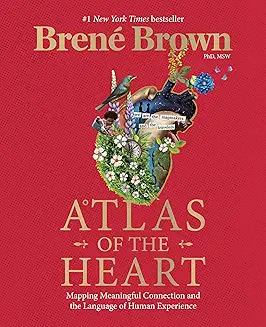
Atlas of the Heart
Brené Brown
Mapping Meaningful Connection and the Language of Human Experience
4.5 (1028)31 mins
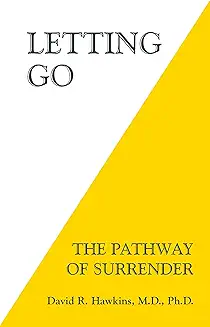
Letting Go
David R. Hawkins
The Pathway of Surrender
4.4 (1029)21 mins
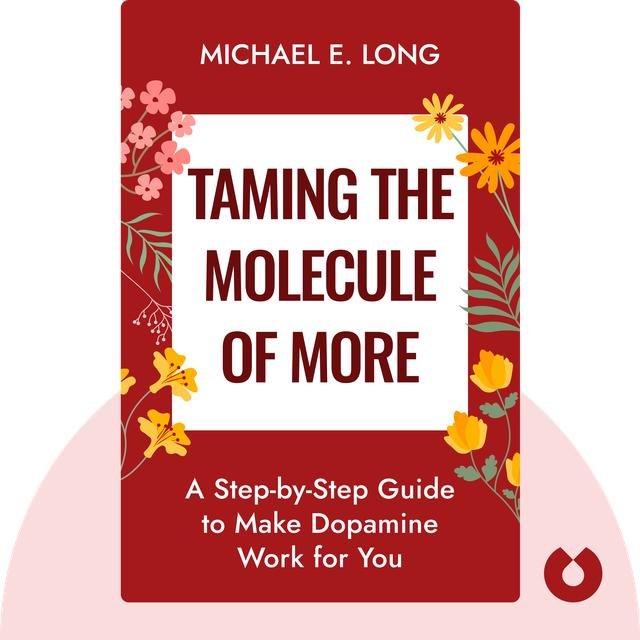
Taming the Molecule of More
Michael E. Long
A Step-by-Step Guide to Make Dopamine Work for You
4.4 (15)21 mins
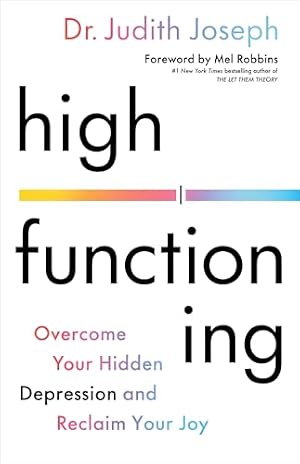
High Functioning
Judith Joseph
How to Overcome Your Hidden Depression and Reclaim Your Joy
4.4 (8)23 mins
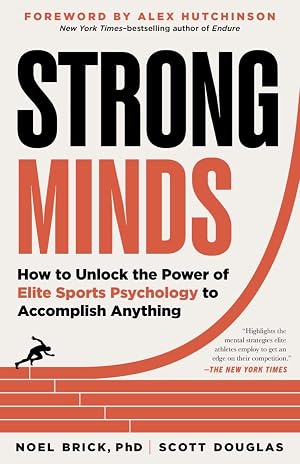
Strong Minds
Noel Brick
Unlock the Power of Elite Sports Psychology
4.4 (40)22 mins
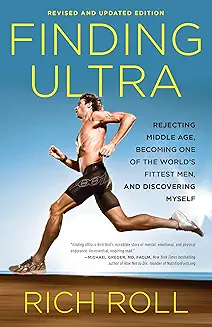
Finding Ultra
Rich Roll
Rejecting Middle Age, Becoming One of the World's Fittest Men, and Discovering Myself
4.3 (638)30 mins
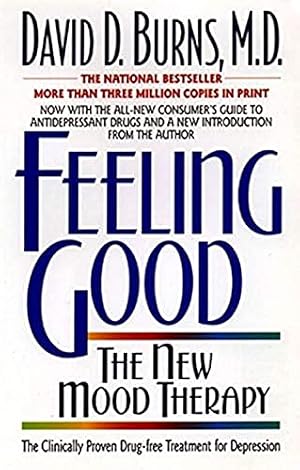
Feeling Good
David D. Burns
The New Mood Therapy
4.3 (22)23 mins