

Good Arguments
By Bo Seo
How Debate Teaches Us to Listen and Be Heard
Introduction
Most of us are taught to fear conflict. We learn to keep the peace, to smooth things over, to treat disagreement as a sign that something has gone wrong. But the heart of this book beats to a different rhythm. It says argument, when done well, is not a breakdown in our relationships or our politics. It is how we find one another. It is how we test what we believe. It is how families stay honest, democracies stay alive, and private life becomes a little less lonely. That conviction grows out of a very personal story. Bo Seo came to competitive debating as a shy migrant teenager trying to make sense of a new country and a new language. Debate gave him a script, then a skill, then finally a way of seeing. It taught him that argument is not simply about winning. It is about listening closely enough to know what is really at stake. It is about framing a disagreement clearly enough that both sides can enter it with dignity. And it is about accepting that the person across from you may hold a piece of the truth you cannot reach on your own. From there, the book moves far beyond tournament halls. It brings the craft of debate into homes, workplaces, friendships, neighborhoods, and public life. The real question is not whether we will argue. We will. The real question is what kind of arguments we will have. Will they be vague, cruel, evasive, and endless? Or can they be purposeful, bounded, and even generous? The answer offered here is surprisingly hopeful. Good arguments are possible, and they can be learned. What makes the book so compelling is that it refuses two easy stories at once. It does not romanticize civility in a thin way, as if everyone should simply calm down and get along. Some conflicts matter too much for that. But it also does not celebrate combat for its own sake. Heat alone does not produce light. Instead, it offers a middle path where conviction and curiosity live together. You can care fiercely and still be fair. You can challenge someone without humiliating them. You can lose a point and gain a clearer view of the world. Along the way, you are given practical tools that feel almost deceptively simple. Pick one issue at a time. Know what the argument is really about. Set rules before emotions flood the room. Ask what could change your mind. Notice when a debate has become a proxy for an old hurt or a struggle for status. These lessons are not abstract. They are tested against family disputes, political polarization, and the messiness of ordinary life. By the end, what emerges is not a handbook for becoming sharper at scoring points. It is a guide to becoming braver, clearer, and more humane in the way you disagree. Argument, the book insists, can be an act of care. When we learn how to do it well, we do not...
Sign up to continue reading
Get access to full book summaries, audio of the summaries, and many more.
Similar Books
Books with a similar vibe—explore more like this.
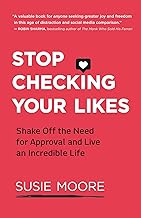
Stop Checking Your Likes
Susie Moore
Shake Off the Need for Approval and Live an Incredible Life
4.6 (543)20 mins
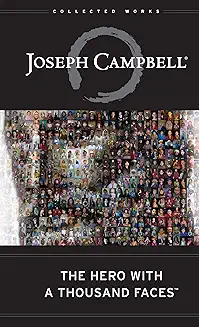
The Hero With a Thousand Faces
Joseph Campbell
Understanding the Hero’s Journey Through Psychology and Mythology
4.6 (473)20 mins
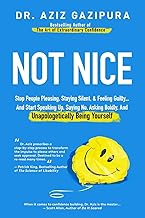
Not Nice
Aziz Gazipura
Stop People Pleasing, Staying Silent, & Feeling Guilt and Start Speaking Up, Saying No, Asking Boldly, and Unapologetically Being Yourself
4.5 (414)29 mins
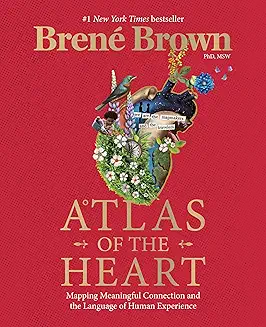
Atlas of the Heart
Brené Brown
Mapping Meaningful Connection and the Language of Human Experience
4.5 (1028)31 mins
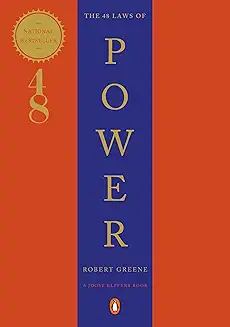
The 48 Laws of Power
Robert Greene
The secret methods to getting what you want
4.2 (723)31 mins
Cold Calling Sucks (And That's Why It Works)
Nick Cegelski, Armand Farrokh
A Step-by-Step Guide to Calling Strangers in Sales
4.8 (459)20 mins
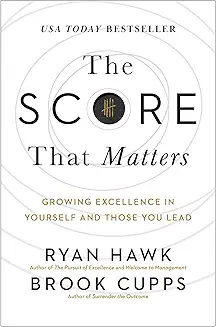
The Score That Matters
Ryan Hawk, Brook Cupps
Growing Excellence in Yourself and Those You Lead
4.7 (368)17 mins

Set Boundaries, Find Peace
Nedra Glover Tawwab
A Guide to Reclaiming Yourself
4.7 (819)27 mins
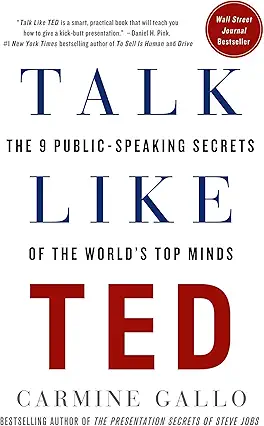
Talk Like TED
Carmine Gallo
The 9 Public Speaking Secrets of the World's Top Minds
4.7 (502)36 mins

A Promised Land
Barack Obama
The first memoir of Barack Obama, the 44th president of the United States
4.7 (3246)38 mins