

Hunt, Gather, Parent Summary
By Michaeleen Doucleff
What Ancient Cultures Can Teach Us About the Lost Art of Raising Happy, Helpful Little Humans
Summary preview
Parenting advice can make you feel like you are doing a group project with a thousand strangers, and all of them are yelling different instructions. One expert says praise every tiny success. Another says give choices constantly. Another says set firmer boundaries, be more emotionally available, supervise more, schedule more, explain more. If you are a tired parent standing in your kitchen with a child who refuses to put on shoes, all that advice can start to sound less like help and more like static. The heart of this book is a simple, brave question. What if many of the things modern parents have been taught to do are making family life harder, not easier? That question began not in a lab or a classroom, but in a home full of everyday chaos. A journalist and mother found herself exhausted by battles with her spirited young daughter. Simple tasks turned into endless negotiations. Requests became arguments. Discipline felt like a trap. She loved her child deeply, yet their days were packed with friction, frustration, and guilt. Then, while reporting on families in different parts of the world, she noticed something striking. In many Indigenous communities, parents were not constantly correcting, entertaining, praising, or controlling children. And still, their children were calm, helpful, capable, and deeply connected to the family. That discovery sends the whole book into motion. Michaeleen Doucleff travels to communities in Mexico, the Arctic, and Tanzania to learn from Maya, Inuit, and Hadzabe families. She does not go as a romantic tourist searching for some perfect ancient wisdom. She goes as a skeptical reporter and a desperate parent. She watches closely. She asks hard questions. She tests what she sees at home. What unfolds is both a travel story and a parenting reset. Bit by bit, she uncovers a way of raising children that feels less like managing them and more like welcoming them into real family life. The big idea is not that there is one magical culture with all the answers. It is that many societies have preserved parenting practices that humans have used successfully for a very long time. These practices often look almost shockingly ordinary. Let children observe. Invite them to help. Stay calm. Avoid power struggles. Teach through stories, play, and community instead of lectures and punishments. Trust that children want to belong. Trust that competence grows when children are included, not when they are endlessly entertained or micromanaged. What makes this journey so powerful is how personal it feels. You are not reading a list of rules from far away. You are right there in the mess of family life, watching old habits clash with new possibilities. You see what happens when a parent stops trying to dominate every moment and starts building cooperation instead. You see how humility, patience, and respect can transform daily life. The book offers no fantasy of perfect parenting. It offers something better. A calmer, saner, more human way to live together.
Sign up to continue reading
Get access to full book summaries, audio of the summaries, and many more.
Similar Books
Books with a similar vibe—explore more like this.
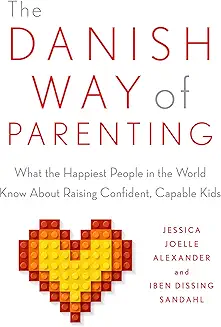
The Danish Way of Parenting
Jessica Joelle Alexander
What the Happiest People in the World Know About Raising Confident, Capable Kids
4.4 (456)24 mins

The Boy Who Was Raised as a Dog
Bruce D. Perry & Maia Szalavitz
And Other Stories from a Child Psychiatrist's Notebook – What Traumatized Children Can Teach Us About Loss, Love, and Healing
4.4 (10) mins
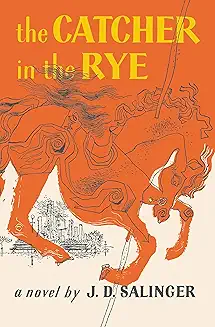
The Catcher in the Rye
J.D. Salinger
A Coming-Of-Age Classic on Belonging and Teenage Alienation
4.3 (503)29 mins

ADHD an A-Z
Leanne Maskell
Figuring It Out Step by Step
4.2 (308)18 mins
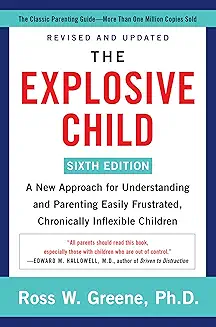
The Explosive Child
Ross W. Greene
A New Approach for Understanding and Parenting Easily Frustrated, Chronically Inflexible Children
4.2 (1276)24 mins
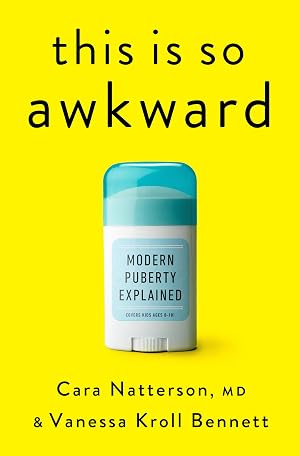
This Is So Awkward
Cara Natterson & Vanessa Kroll Bennett
Modern Puberty Explained
4.2 (4) mins
Healthy Kids, Happy Kids
Elisa Song
An Integrative Pediatrician’s Guide to Whole Child Resilience
3.9 (109)19 mins

The Baby Book
William Sears
Everything You Need to Know About Your Baby from Birth to Age Two
3.0 (6)24 mins
Lovingkindness
Sharon Salzberg
The Revolutionary Art of Happiness
4.9 (88) mins

Livewired
David Eagleman
The inside story of the Ever-changing brain
4.8 (544)28 mins