
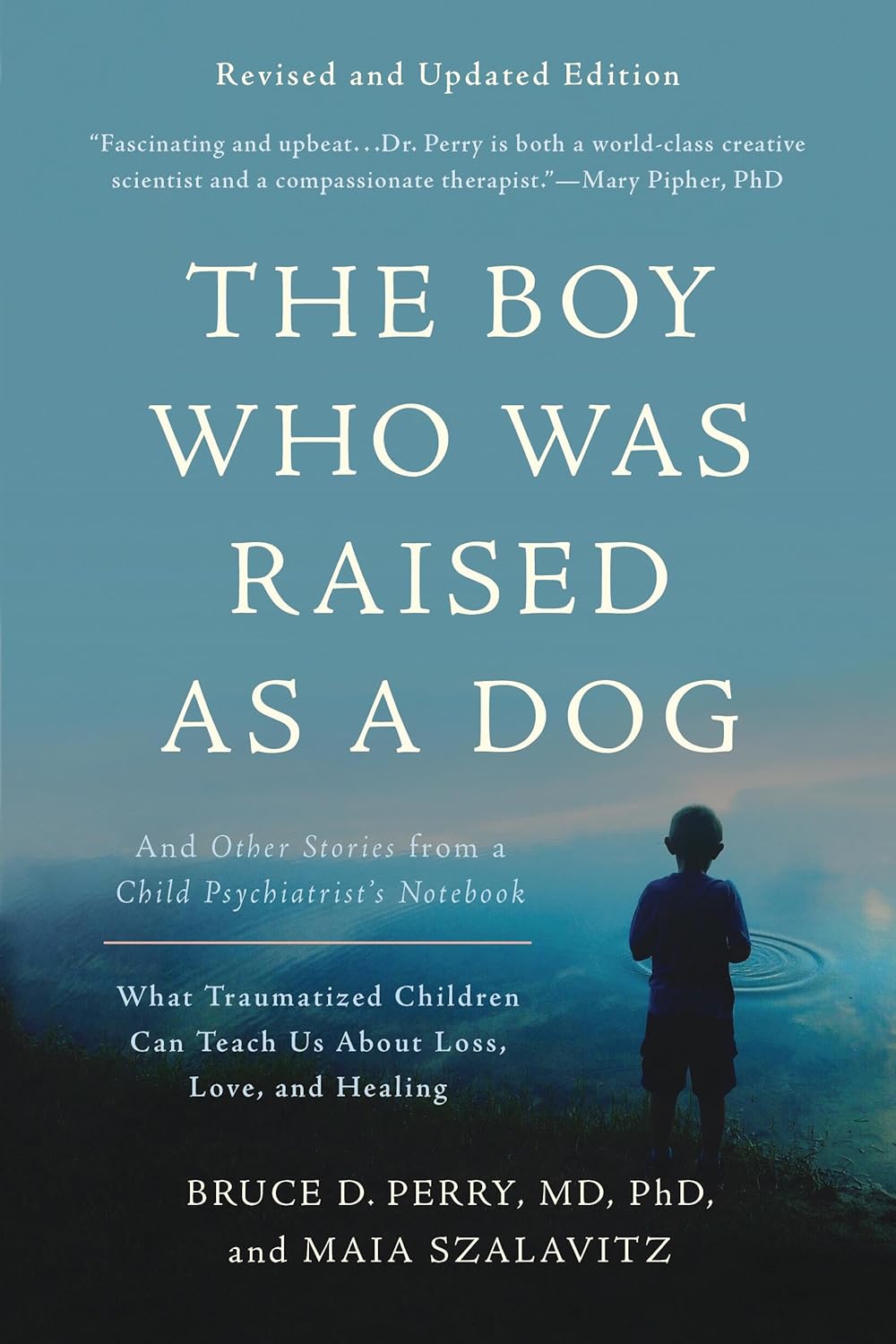
The Boy Who Was Raised as a Dog Summary
By Bruce D. Perry & Maia Szalavitz
And Other Stories from a Child Psychiatrist's Notebook – What Traumatized Children Can Teach Us About Loss, Love, and Healing
Summary preview
Some children come into the world ready to trust, to play, to learn, and to love. Others arrive with the same basic needs but meet chaos instead of comfort, terror instead of tenderness. This book lives in that painful gap. It asks what happens to a child’s mind and body when the people and places that should bring safety bring fear. And just as important, it asks whether healing is still possible after the deepest wounds. The answer, again and again, is yes, but not through quick fixes, neat labels, or one size fits all advice. Healing comes through understanding how the brain develops, how trauma changes that development, and how relationships can slowly help rebuild what was damaged. Bruce D. Perry & Maia Szalavitz tell this story by taking us into treatment rooms, emergency situations, foster homes, schools, and hospitals. We meet children who have survived horrors that are hard to imagine. A little boy who acted more like a dog than a child because he had been raised in isolation. A girl whose unbearable losses shattered her sense of safety. Children burned by neglect, trapped in cults, brutalized by violence, numbed by repeated abuse, or misread as bad when they were really overwhelmed. These stories are not offered to shock us. They are there to show that trauma is not just an emotional memory tucked away in the mind. Trauma gets into the body. It shapes stress responses, attention, sleep, trust, language, touch, and the ability to connect with others. What makes this book so powerful is that it does not stop at suffering. It keeps turning toward understanding. The guiding idea is simple but profound. The brain develops from the bottom up. The systems that control arousal, alarm, and survival form before the systems that handle reasoning and self control. So when early life is full of threat, the lower parts of the brain become overtrained in fear. Later, when adults try to use logic, punishment, or even standard talk therapy, they may be reaching the wrong level first. A terrified or dysregulated child cannot think clearly enough to benefit from words alone. That insight changes everything. It reshapes how we think about discipline, diagnosis, education, therapy, and even love. The book invites us to see behavior as communication. A child who hits, withdraws, lies, freezes, or clings may be telling us a story the child cannot yet say out loud. The work, then, is not to ask, “What is wrong with you?” but “What happened to you?” and “What do you need now to feel safe enough to grow?” By the time we move through these stories, we begin to see trauma not as a private defect in damaged children but as a human response to overwhelming experience. We also begin to see resilience not as magic but as something built in moments of patience, rhythm, consistency, and care. That is the journey ahead.
Sign up to continue reading
Get access to full book summaries, audio of the summaries, and many more.
Similar Books
Books with a similar vibe—explore more like this.

The Catcher in the Rye
J.D. Salinger
A Coming-Of-Age Classic on Belonging and Teenage Alienation
4.3 (503)29 mins
The Explosive Child
Ross W. Greene
A New Approach for Understanding and Parenting Easily Frustrated, Chronically Inflexible Children
4.2 (1276)24 mins
Widen the Window
Elizabeth A. Stanley
Training Your Brain and Body to Thrive During Stress and Recover from Trauma
4.8 (158)27 mins
Re-Regulated
Anna Runkle
Set Your Life Free from Childhood PTSD
4.8 (10)21 mins
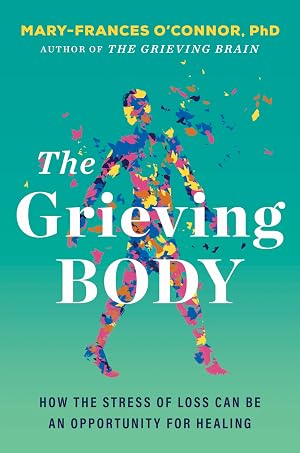
The Grieving Body
Mary-Frances O'Connor
How the Stress of Loss Can Be an Opportunity for Healing
4.7 (9)22 mins

What Your ADHD Child Wishes You Knew
Sharon Saline
Working Together to Empower Kids for Success in School and Life
4.7 (22)26 mins
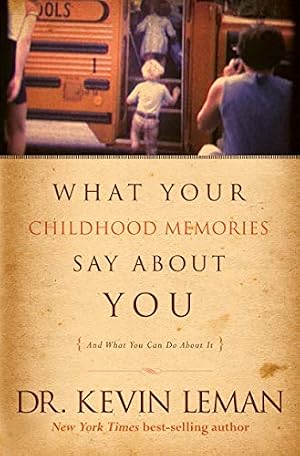
What Your Childhood Memories Say About You
Kevin Leman
And What You Can Do about It
4.7 (17)23 mins
The How of Happiness
Sonja Lyubomirsky
A New Approach to Getting the Life You Want
4.6 (309)27 mins
My Grandmother's Hands
Resmaa Menakem
Racialized Trauma and the Pathway to Mending Our Hearts and Bodies
4.6 (167)30 mins
Together
Vivek H. Murthy
The Healing Power of Human Connection in a Sometimes Lonely World
4.6 (820)23 mins