
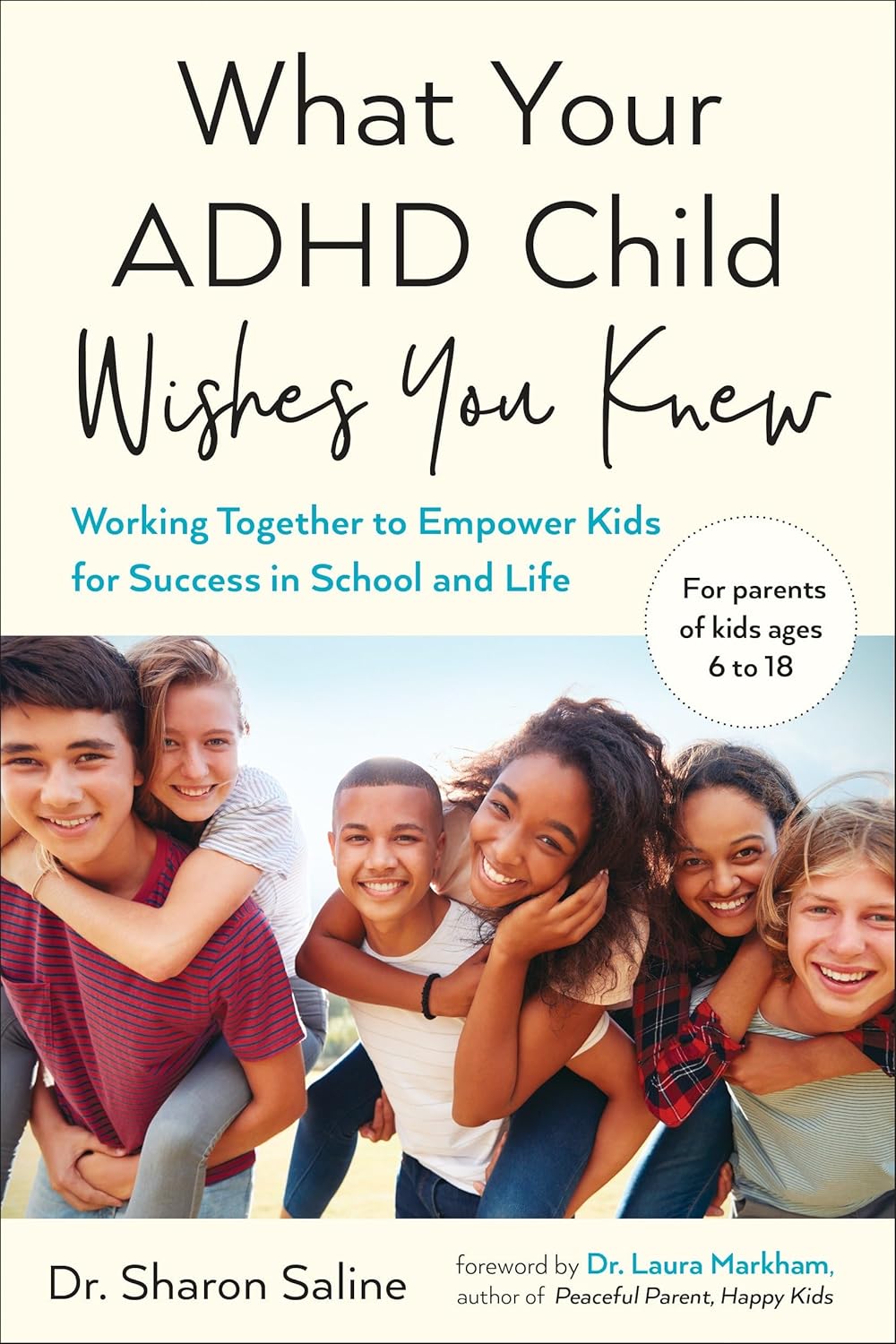
What Your ADHD Child Wishes You Knew Summary
By Sharon Saline
Working Together to Empower Kids for Success in School and Life
Summary preview
Parenting a child with ADHD can feel like living in two worlds at once. In one world, you adore this funny, creative, intense, big hearted kid who can light up a room, invent a game from nothing, and notice details other people miss. In the other world, you are exhausted by battles over homework, morning routines, screen time, forgotten shoes, emotional blowups, and the painful feeling that everyone keeps asking your child to do things that seem simple but somehow are not. That is the world this book steps into with honesty and compassion. Sharon Saline invites you to stop seeing ADHD only as a list of symptoms and start understanding the daily experience of the child who is trying, failing, recovering, and trying again. The heart of the book is a simple but powerful shift. Your child is not giving you a hard time. Your child is having a hard time. When you begin there, everything changes. Instead of focusing only on compliance, punishment, or performance, you start looking at lagging skills, stress, shame, and the gap between what your child wants to do and what they can actually do in the moment. The book shows how ADHD affects executive functioning, those mental skills that help us plan, organize, manage time, remember details, control impulses, and recover from frustration. When these skills are delayed, family life can become a constant cycle of reminders, conflict, guilt, and disappointment. What makes this book especially reassuring is its practical spirit. It does not ask you to become a perfect parent or turn your home into a behavior laboratory. It asks you to build connection first, then cooperation. It offers a clear framework built around what the author calls the Five C's. Self Control, Compassion, Collaboration, Consistency, and Celebration. These are not abstract ideas. They become tools for talking to your child, handling meltdowns, setting expectations, working with teachers, and helping your child build confidence instead of losing it. Along the way, the book keeps returning to what children with ADHD often wish adults understood. They do not want to disappoint you. They notice your frustration more than you think. They may act as if they do not care, but underneath, many carry deep embarrassment and fear that they are lazy, bad, or broken. This is why the book feels less like a rulebook and more like a translation guide. It helps you hear the message beneath the behavior. It helps you respond to the child in front of you rather than the child you thought you would have. And it offers something many families desperately need, a path out of chronic struggle and toward a home with more respect, steadiness, and hope.
Sign up to continue reading
Get access to full book summaries, audio of the summaries, and many more.
Similar Books
Books with a similar vibe—explore more like this.
Peaceful Discipline
Sarah R. Moore
Story Teaching, Brain Science & Better Behavior
4.4 (10)21 mins
The Anxious Generation
Jonathan Haidt
How the Great Rewiring of Childhood Is Causing an Epidemic of Mental Illness
4.2 (325)20 mins
How We Grow Up
Matt Richtel
Understanding Adolescence
4.0 (20)23 mins
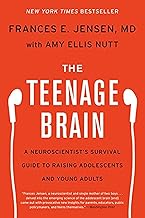
The Teenage Brain
Frances E. Jensen & Amy Ellis Nutt
A Neuroscientist's Survival Guide to Raising Adolescents and Young Adults
3.9 (359)20 mins

Brown Girl Dreaming
Jacqueline Woodson
Unravel a Moving Tale of Childhood Dreams, Race, and Empowerment
3.0 (5)22 mins
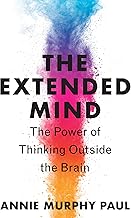
The Extended Mind
Annie Murphy Paul
The Power of Thinking Outside the Brain
4.7 (971)30 mins
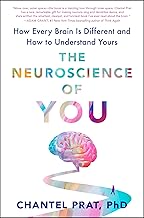
The Neuroscience of You
Chantel Prat
How every brain is different and how to understand yours
4.7 (679)20 mins
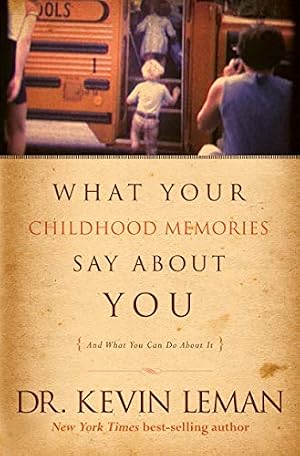
What Your Childhood Memories Say About You
Kevin Leman
And What You Can Do about It
4.7 (17)23 mins
The Tale of the Dueling Neurosurgeons
Sam Kean
The History of the Human Brain as Revealed by True Stories of Trauma, Madness, and Recovery
4.6 (471)35 mins
The Social Leap
William von Hippel
The New Evolutionary Science of Who We Are, Where We Come From, and What Makes Us Happy
4.6 (434)28 mins