

Peaceful Discipline Summary
By Sarah R. Moore
Story Teaching, Brain Science & Better Behavior
Summary preview
If you have ever looked at a child in the middle of a meltdown and thought, I want to help, but I do not know how, this book meets you right there. Peaceful Discipline is not about getting children to obey through fear, shame, or control. It is about learning how to guide them with connection, clarity, and steadiness, even when things feel messy. Sarah R. Moore invites you to see discipline in its original sense as teaching, not punishing. That shift changes everything. At the heart of the book is a simple but powerful truth. Children do well when they can. When they are screaming, hitting, lying, refusing, or falling apart, they are not usually trying to make your life hard. More often, they are overwhelmed, under skilled, dysregulated, or carrying needs they cannot yet express well. If you respond only to the behavior, you miss the deeper story. If you respond to the need underneath, you create space for growth. The book asks you to stop chasing quick fixes. Punishments, threats, bribes, and harsh consequences can produce short term compliance, but they often damage trust and do little to build real inner skills. What helps more is co regulation, empathy, strong boundaries, and practice. You become a calm anchor when your child cannot yet calm themselves. You hold the limit without humiliating them. You remember that discipline is not something you do to a child. It is something you build with them over time. What makes this approach feel so grounded is that it does not pretend parenting is easy. It makes room for your own triggers, exhaustion, and history. It recognizes that many adults were raised with fear based methods and may reach for them automatically under stress. Rather than blame you, it invites you to get curious. What happened to you when you were small. What did you learn about feelings, power, and worth. What patterns are showing up now. Healing yourself becomes part of helping your child. You are also reminded that peaceful discipline is not permissiveness. It is not stepping back and letting children run the show. It is warm and firm at the same time. You can say no kindly. You can stop unsafe behavior immediately. You can keep routines, expectations, and boundaries. The difference is that you do it without cruelty and without making a child feel bad for having big emotions. As the book unfolds, it moves from the science of behavior and nervous system regulation into very practical tools for everyday family life. It talks about meltdowns, aggression, sibling conflict, lying, transitions, power struggles, and repair after hard moments. It gives you a new lens for what discipline can be. Less about control. More about relationship, skill building, and trust. The message running through it all is deeply hopeful. With practice, awareness, and compassion, you can raise children who are not just compliant in the moment, but truly capable, connected, and secure.
Sign up to continue reading
Get access to full book summaries, audio of the summaries, and many more.
Similar Books
Books with a similar vibe—explore more like this.
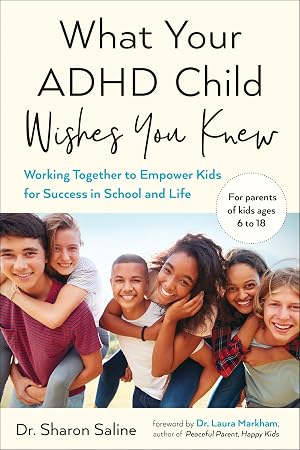
What Your ADHD Child Wishes You Knew
Sharon Saline
Working Together to Empower Kids for Success in School and Life
4.7 (22)26 mins
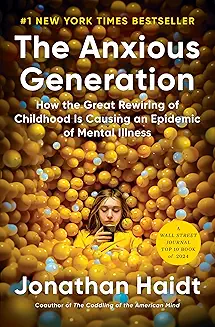
The Anxious Generation
Jonathan Haidt
How the Great Rewiring of Childhood Is Causing an Epidemic of Mental Illness
4.2 (325)20 mins
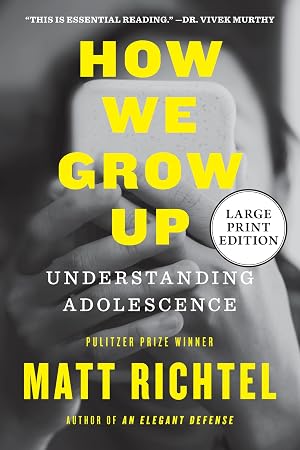
How We Grow Up
Matt Richtel
Understanding Adolescence
4.0 (20)23 mins
The Teenage Brain
Frances E. Jensen & Amy Ellis Nutt
A Neuroscientist's Survival Guide to Raising Adolescents and Young Adults
3.9 (359)20 mins

Brown Girl Dreaming
Jacqueline Woodson
Unravel a Moving Tale of Childhood Dreams, Race, and Empowerment
3.0 (5)22 mins
The Extended Mind
Annie Murphy Paul
The Power of Thinking Outside the Brain
4.7 (971)30 mins
The Neuroscience of You
Chantel Prat
How every brain is different and how to understand yours
4.7 (679)20 mins
What Your Childhood Memories Say About You
Kevin Leman
And What You Can Do about It
4.7 (17)23 mins
The Tale of the Dueling Neurosurgeons
Sam Kean
The History of the Human Brain as Revealed by True Stories of Trauma, Madness, and Recovery
4.6 (471)35 mins
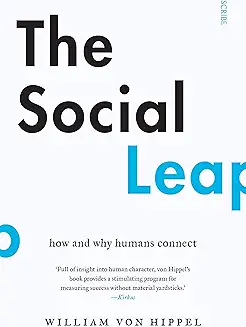
The Social Leap
William von Hippel
The New Evolutionary Science of Who We Are, Where We Come From, and What Makes Us Happy
4.6 (434)28 mins