
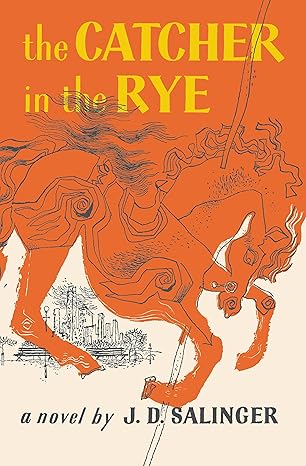
The Catcher in the Rye Summary
By J.D. Salinger
A Coming-Of-Age Classic on Belonging and Teenage Alienation
Summary preview
There is something funny and heartbreaking about a boy who keeps telling you he does not want to tell you much, and then ends up telling you almost everything that matters. That is the pull of The Catcher in the Rye. It sounds loose, casual, almost tossed off, but underneath all that talk is a raw story about grief, fear, loneliness, and the terrible business of growing up. J.D. Salinger gives you a narrator who acts like he is just shooting the breeze, but every joke, every complaint, every sharp little observation lets you see how badly he is hurting. The book follows Holden Caulfield over a few days after he leaves Pencey Prep, a school he has failed out of. He wanders through New York City, talks to strangers, picks fights, lies for no good reason, reaches for people, pushes them away, and tries hard to make sense of a world that seems fake to him. He is forever calling people "phonies," and that word hangs over the whole novel. He uses it for actors, teachers, school boys, girls, adults, and almost anybody who seems too smooth, too self satisfied, too ready to play a part. Still, the more he talks, the clearer it becomes that his anger at other people is tied up with his fear of becoming one of them. What makes the book so lasting is that it never turns Holden into a simple rebel hero. He is funny, yes, and quick, and often dead right about the emptiness he sees around him. But he is also confused, self sabotaging, unfair, and scared stiff. He misses his younger brother Allie, who died of leukemia, with a pain so strong that it shapes nearly every part of his thinking. He loves his little sister Phoebe because she still seems real to him, still full of life and honesty. Children in this story matter because they represent something untouched. Holden wants to protect that innocence, not only in them but in himself. That wish is where the title comes from, in a way that is both sweet and sad. Holden imagines himself standing in a rye field near a cliff, catching children before they fall. It is a strange, tender dream, and it says more about him than any argument ever could. He wants to save people from loss, corruption, and adulthood, even though he cannot save himself from pain. So the novel is not just a trip through hotels, bars, cabs, parks, and apartments. It is the sound of a mind trying to hold itself together. It is about what happens when someone feels too much and has no good way to bear it. By the end, you do not simply remember what Holden did. You remember the ache behind the wisecracks, and the desperate hope hidden inside all that talk.
Sign up to continue reading
Get access to full book summaries, audio of the summaries, and many more.
Similar Books
Books with a similar vibe—explore more like this.
My Grandmother's Hands
Resmaa Menakem
Racialized Trauma and the Pathway to Mending Our Hearts and Bodies
4.6 (167)30 mins
Can't Even
Anne Helen Petersen
How Millennials Became the Burnout Generation
4.4 (429)23 mins

Bad Therapy
Abigail Shrier
Why the Kids Aren't Growing Up
4.4 (629)22 mins
The Boy Who Was Raised as a Dog
Bruce D. Perry & Maia Szalavitz
And Other Stories from a Child Psychiatrist's Notebook – What Traumatized Children Can Teach Us About Loss, Love, and Healing
4.4 (10) mins
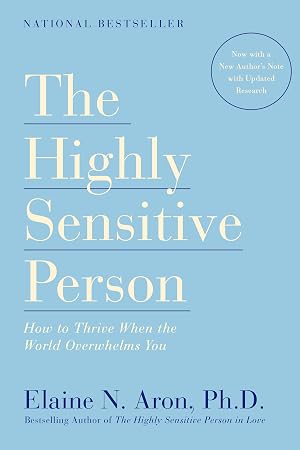
The Highly Sensitive Person
Elaine N. Aron
How to Thrive When the World Overwhelms You
4.3 (175) mins
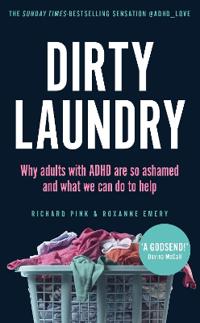
DIRTY LAUNDRY
Richard Pink & Roxanne Emery
Why Adults with ADHD Are So Ashamed and What We Can Do to Help
4.2 (510)24 mins
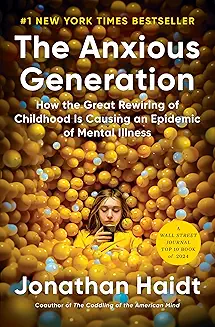
The Anxious Generation
Jonathan Haidt
How the Great Rewiring of Childhood Is Causing an Epidemic of Mental Illness
4.2 (325)20 mins
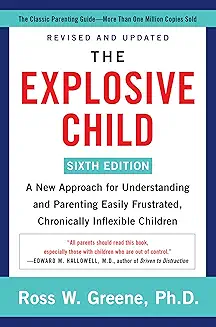
The Explosive Child
Ross W. Greene
A New Approach for Understanding and Parenting Easily Frustrated, Chronically Inflexible Children
4.2 (1276)24 mins
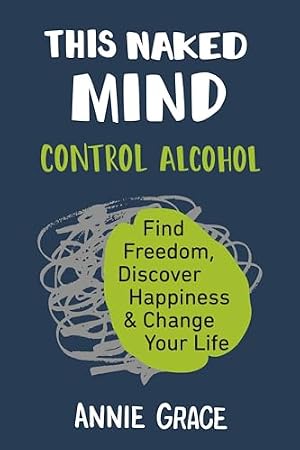
This Naked Mind
Annie Grace
Control Alcohol, Find Freedom, Discover Happiness & Change Your Life
4.2 (38) mins
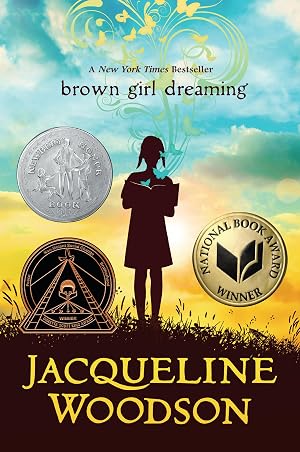
Brown Girl Dreaming
Jacqueline Woodson
Unravel a Moving Tale of Childhood Dreams, Race, and Empowerment
3.0 (5) mins