
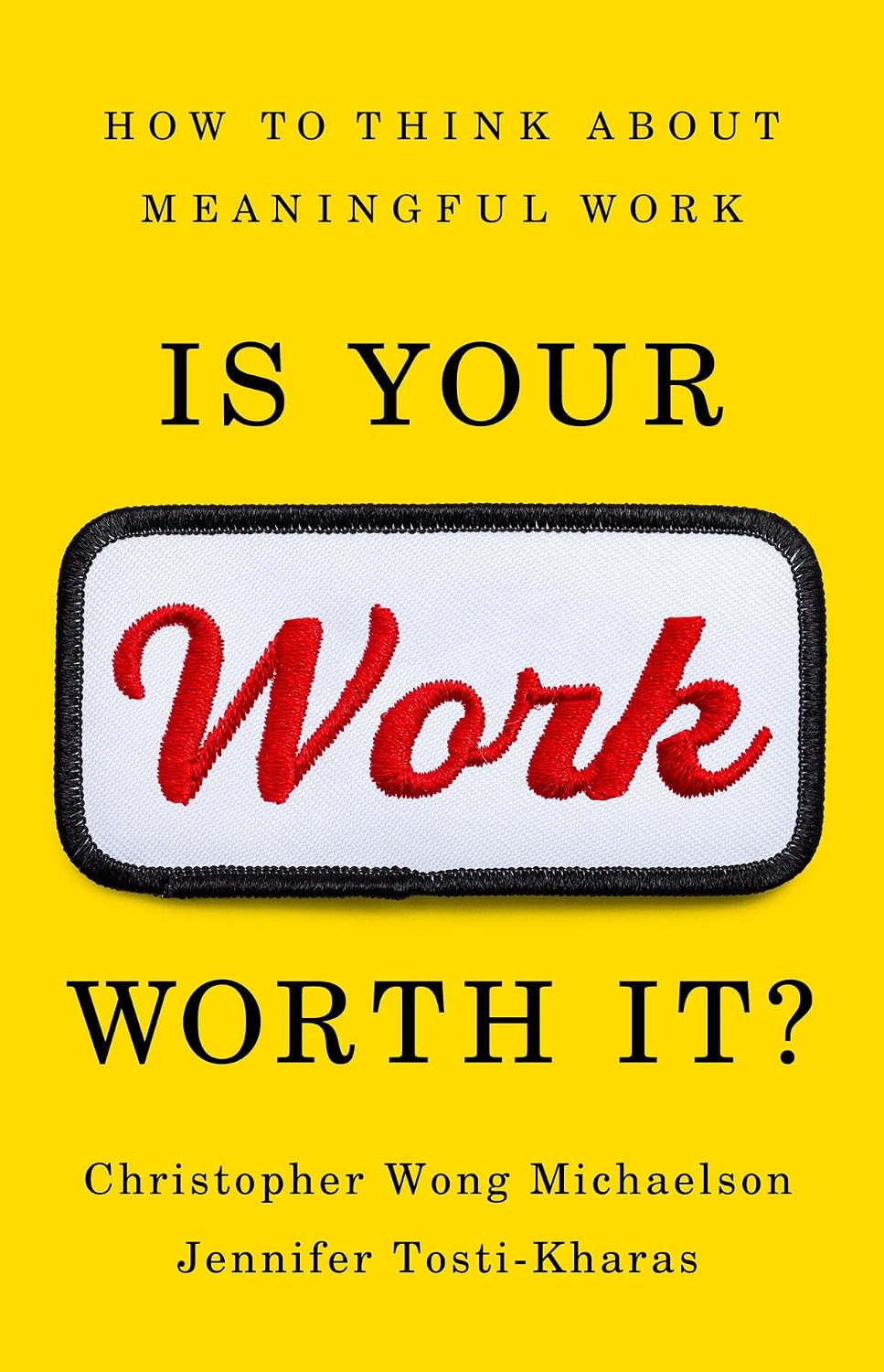
Is Your Work Worth It? Summary
By Jennifer Tosti-Kharas & Christopher Wong Michaelson
How to Think about Meaningful Work
Summary preview
Most of us spend a huge part of our lives working. We give our time, our energy, our attention, and often a big part of our identity to what we do each day. So a simple question turns out to be much bigger than it first appears. Is your work worth it? That question is not only about money, status, or whether you like your job on a good day. It is about value in the deepest sense. What are you giving up for your work, and what are you getting back? Does your work support a good life, or quietly pull you away from one? Does it help other people, harm them, or do a little of both? And when your work feels meaningful, what exactly is making it feel that way? Jennifer Tosti-Kharas & Christopher Wong Michaelson take this question seriously, but they do not treat it like a cold puzzle to solve from a distance. They approach it as something deeply human, personal, and urgent. They know that work can be a source of pride, purpose, connection, and dignity. They also know it can be exhausting, disappointing, morally messy, and painfully unequal. Rather than offering one easy answer, they invite you into a richer conversation about how to judge work well. The heart of the book is the idea that work is worth evaluating from more than one angle. We tend to collapse everything into a single measure, often pay or prestige, because that is simpler and socially rewarded. But our lives do not actually work that way. A job can pay well and still feel empty. It can feel exciting and still demand ethical compromises. It can serve others and still ask too much of the person doing it. The book gives you a way to hold these tensions without pretending they disappear. Along the way, you are encouraged to think about your own experience and also the broader systems around you. That matters because the worth of work is never just an individual choice. Culture, organizations, family expectations, labor markets, inequality, and luck all shape what options people have and how they understand success. For example, one person may be able to walk away from a harmful workplace, while another cannot. One person may be praised for devotion to work, while another is expected to carry invisible care responsibilities at home. What makes the book so engaging is that it combines reflection with practical wisdom. It asks you to examine your motives, your tradeoffs, and your responsibilities, while also giving you language for things many people feel but struggle to name. By the end, the question is no longer only whether your work is worth it in some abstract sense. It becomes a guide for living with greater honesty, clearer priorities, and a fuller understanding of what good work can be.
Sign up to continue reading
Get access to full book summaries, audio of the summaries, and many more.
Similar Books
Books with a similar vibe—explore more like this.
Beyond Belief
Nir Eyal
How to Stop Limiting Yourself and Achieve Breakthrough Results
4.8 (50)21 mins
The Science of Self-Discipline
Peter Hollins
Resist Temptation and Achieve Your Goals
4.7 (71)20 mins
Die Empty
Todd Henry
Unleash Your Best Work Every Day
4.6 (40)22 mins
Sovereign
Emma Seppala
Reclaim Your Freedom, Energy, and Power in a Time of Distraction, Uncertainty, and Chaos
4.6 (6)21 mins
Breaking The Habit of Being Yourself
Joe Dispenza
How to Lose Your Mind and Create a New One
4.5 (415)23 mins
Feel-Good Productivity
Ali Abdaal
How to Do More of What Matters to You
4.5 (1198)15 mins
The Art of Laziness
Library Mindset
Overcome Procrastination & Improve Your Productivity
4.5 (52)20 mins
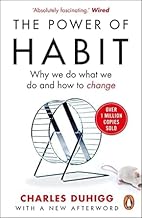
The Power of Habit
Charles Duhigg
Why We Do What We Do in Life and Business
4.3 (3181)30 mins
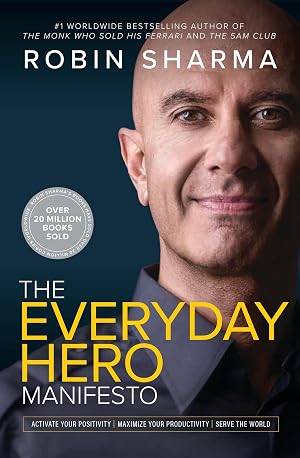
The Everyday Hero Manifesto
Robin Sharma
Activate Your Positivity, Maximize Your Productivity, Serve The World
4.3 (185)22 mins
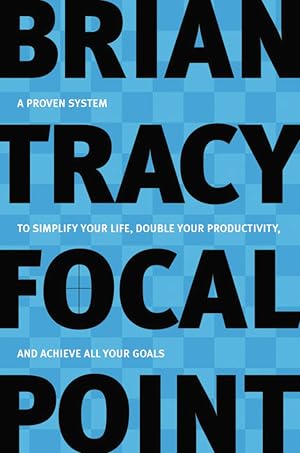
Focal Point
Brian Tracy
Simplify Life, Double Productivity, Achieve Your Goals
4.3 (32)23 mins