
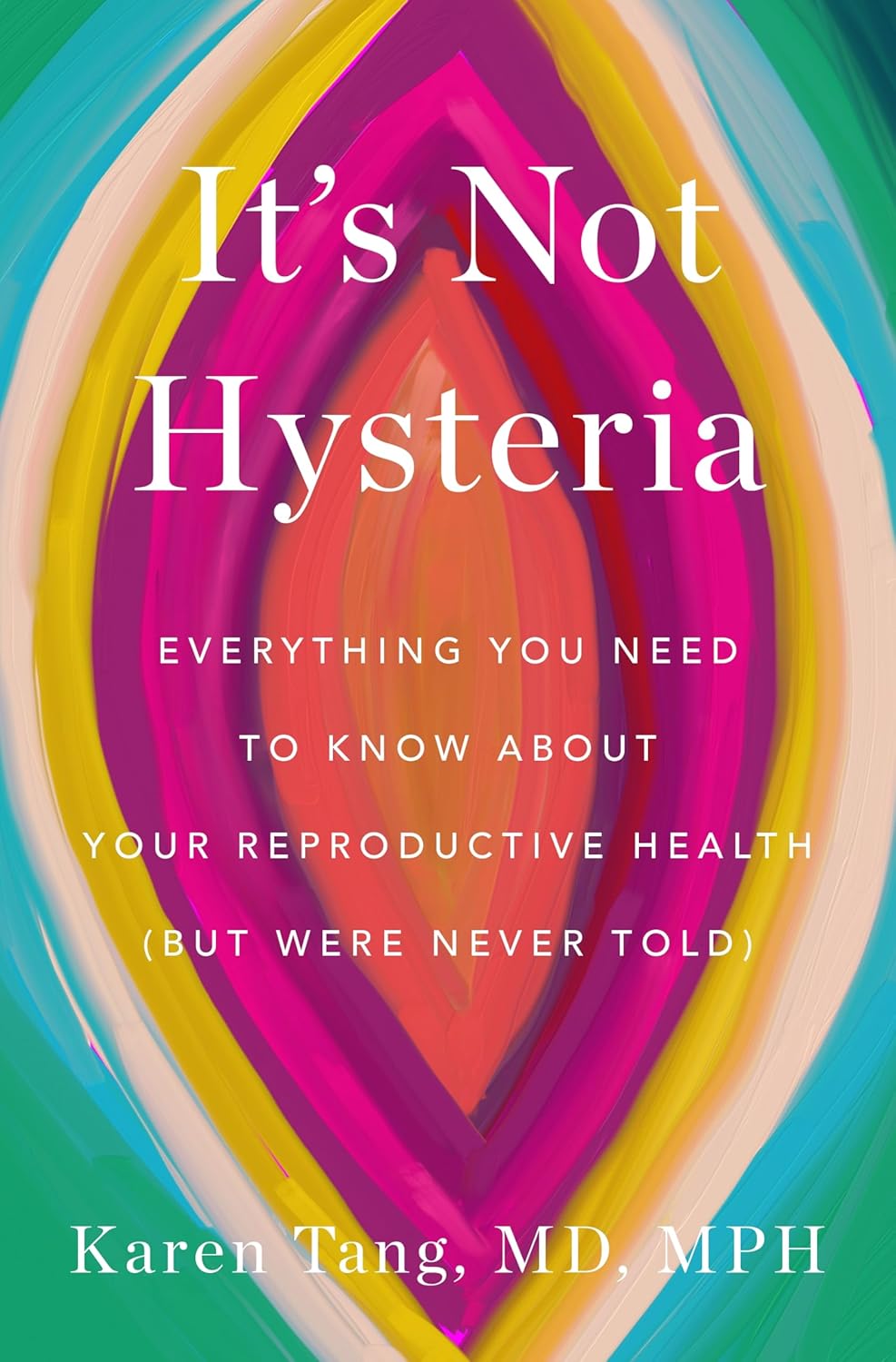
It's Not Hysteria Summary
By Karen Tang
Everything You Need to Know About Your Gynecologic Health (but Were Never Told)
Summary preview
For a very long time, pain in women’s bodies has been brushed aside, mislabeled, or stuffed into the old lazy word hysteria. That word may sound outdated, but the attitude behind it is very much alive. If you have ever been told your pain is normal when it clearly is not, if you have ever left a doctor’s office feeling confused, ashamed, or doubting your own body, this book starts by saying something powerful and overdue. You are not imagining it. Your symptoms are real. Your suffering deserves attention. And your body is giving you information that matters. Karen Tang writes with the clarity of a surgeon and the warmth of a friend who knows exactly how often the medical system gets pelvic pain wrong. The book is built around a simple but urgent idea. Many people are living with common gynecologic conditions that are misunderstood, underdiagnosed, and badly treated, not because the problems are rare or mysterious, but because medicine has not listened carefully enough to patients, especially those with female reproductive organs. What gets dismissed as period problems, stress, anxiety, or just part of being a woman can actually be endometriosis, fibroids, adenomyosis, PMDD, PCOS, ovarian cysts, pelvic floor dysfunction, or other real health conditions that deserve proper care. The book does not just list diagnoses. It teaches you how to recognize patterns in your own experience. It explains what symptoms are common, what symptoms are not normal, what tests can and cannot tell you, and why getting answers can take years. It also pulls back the curtain on the way bias works in medicine. Race, weight, age, gender identity, fertility expectations, and cultural silence all shape who gets believed and who gets ignored. That means this is not only a medical guide. It is also a guide to reclaiming trust in yourself. What makes the book so helpful is the way it joins science with real life. You get anatomy and hormones, but you also get practical language for appointments, questions to ask, myths to challenge, and stories that sound painfully familiar. The message underneath all of it is steady and compassionate. Painful periods are not something you should have to endure without investigation. Heavy bleeding is not automatically fine. Bloating, bowel changes, bladder pain, pain with sex, crushing fatigue, and mood shifts all belong in the conversation. By the time you move through this book, you are not simply collecting facts. You are learning a new framework for understanding your body and a new way to demand care that is informed, respectful, and complete. The real promise here is not perfection or instant diagnosis. It is something more grounded and more useful. Knowledge, language, and the confidence to stop shrinking your symptoms so other people can stay comfortable.
Sign up to continue reading
Get access to full book summaries, audio of the summaries, and many more.
Similar Books
Books with a similar vibe—explore more like this.
Til Stress Do Us Part
Elizabeth Earnshaw
How to Heal the #1 Issue in Our Relationships
4.6 (139)20 mins
Atlas of the Heart
Brené Brown
Mapping Meaningful Connection and the Language of Human Experience
4.5 (1028)31 mins
Big Dating Energy
Jeff Guenther, Kate Happ
How to Create Lasting Love by Tapping Into Your Authentic Self
4.1 (168)20 mins
Worthy of Her Trust
Stephen Arterburn & Jason B. Martinkus
What You Need to Do to Rebuild Sexual Integrity and Win Her Back
3.2 (275)15 mins
Why We Sleep
Matthew Walker
Unlocking the Power of Sleep and Dreams
4.8 (1560)17 mins
The Opposite of Settling
Case Kenny
Get What You Want in Love and Life, Without Losing Your Spark
4.8 (13) mins
The Invincible Brain
Majid Fotuhi
The Clinically Proven Plan to Age-Proof Your Brain
4.8 (64) mins
The Power of the Downstate
Sara C. Mednick
The New Science to Ignite Energy, Enhance Sharpness, and Reclaim Balance
4.8 (146) mins
Re-Regulated
Anna Runkle
Set Your Life Free from Childhood PTSD
4.8 (10)21 mins

Set Boundaries, Find Peace
Nedra Glover Tawwab
A Guide to Reclaiming Yourself
4.7 (819)27 mins