
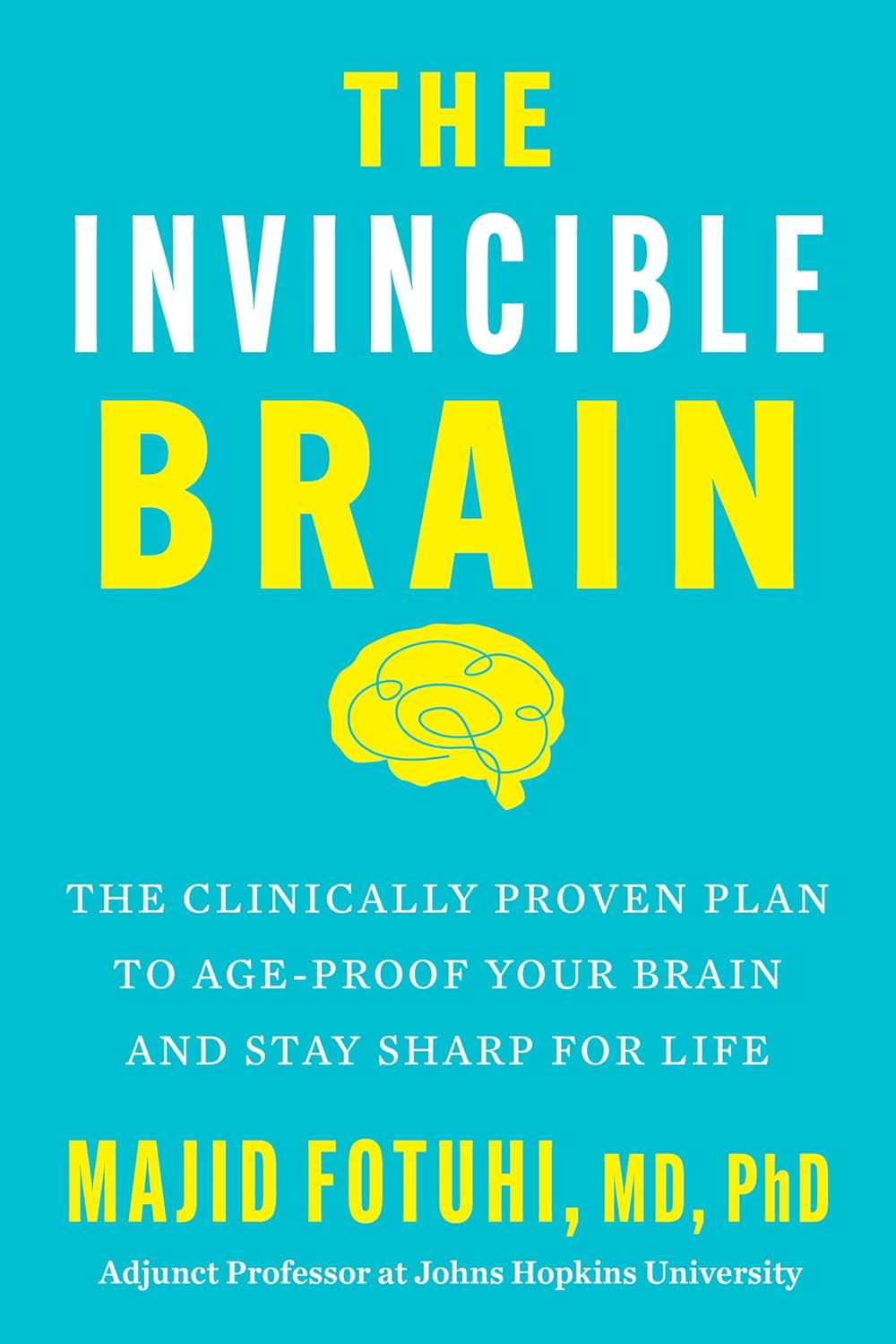
The Invincible Brain Summary
By Majid Fotuhi
The Clinically Proven Plan to Age-Proof Your Brain
Summary preview
Your brain is not a machine that simply wears out with time. That is the bold, hopeful promise at the heart of this book. The message is simple but powerful. Memory loss, mental fog, and even many forms of cognitive decline do not arrive out of nowhere, and they are not always an unavoidable part of aging. Very often, the brain gives clues long before serious trouble begins. If you learn how to read those clues and respond early, you can protect your mind, strengthen it, and in many cases help it function better than it does right now. That idea matters because so many people live with quiet fear about their brains. They forget a name, lose their keys, or struggle to focus after a stressful day, and immediately they wonder if something terrible has started. At the same time, others ignore real warning signs because they believe nothing can be done. This book pushes back against both reactions. It asks you to replace fear with understanding and passivity with action. The brain is dynamic. It changes with sleep, movement, food, stress, blood flow, inflammation, mood, toxins, and the health of the rest of your body. When those forces work against you, the brain suffers. When they work for you, the brain can heal and grow. Majid Fotuhi builds this case by bringing together neuroscience, clinical experience, and practical advice. He does not treat the brain as an isolated organ floating above daily life. He shows how the heart, blood vessels, immune system, metabolism, gut, and emotional world all shape how well you think and remember. He also makes another key point that runs through the whole book. Dementia is rarely caused by one thing alone. It is often the end result of several hits piling up over many years. Reduced blood flow, silent strokes, inflammation, poor sleep, depression, head injury, excess weight, diabetes, and nutrient deficiencies can all chip away at your cognitive reserve. That phrase, cognitive reserve, is one of the book’s guiding ideas. Think of it as your brain’s savings account, its backup capacity, its ability to handle damage without showing symptoms right away. A larger, healthier brain with stronger connections gives you more protection. A depleted brain has less room to adapt. So the goal is not only to avoid disease. The goal is to build an abundant, resilient brain that can keep serving you well through the decades. What follows is both a warning and an invitation. The warning is that brain decline can begin much earlier than people think. The invitation is that you can do a great deal about it. By understanding the hidden causes of decline and the habits that help the brain thrive, you begin to see that a stronger memory and sharper mind are not distant dreams. They are realistic goals, built one choice at a time.
Sign up to continue reading
Get access to full book summaries, audio of the summaries, and many more.
Similar Books
Books with a similar vibe—explore more like this.
Why We Sleep
Matthew Walker
Unlocking the Power of Sleep and Dreams
4.8 (1560)17 mins
The Power of the Downstate
Sara C. Mednick
The New Science to Ignite Energy, Enhance Sharpness, and Reclaim Balance
4.8 (146)18 mins
Re-Regulated
Anna Runkle
Set Your Life Free from Childhood PTSD
4.8 (10)21 mins
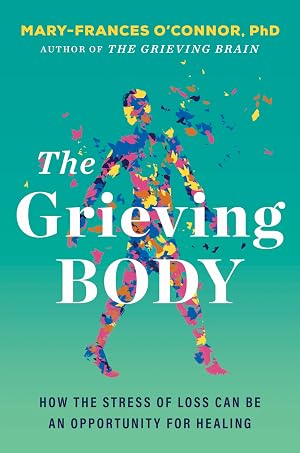
The Grieving Body
Mary-Frances O'Connor
How the Stress of Loss Can Be an Opportunity for Healing
4.7 (9)22 mins

The Things You Can See Only When You Slow Down
Haemin Sunim
How to Be Calm in a Busy World
4.6 (573)20 mins
Resilient
Rick Hanson with Forrest Hanson
How to Grow an Unshakable Core of Calm, Strength, and Happiness By Rick Hanson with Forrest Hanson
4.6 (810)34 mins
Til Stress Do Us Part
Elizabeth Earnshaw
How to Heal the #1 Issue in Our Relationships
4.6 (139)20 mins
Friday Forward
Robert Glazer
Inspiration & Motivation to End Your Week Stronger Than It Started
4.6 (385)25 mins
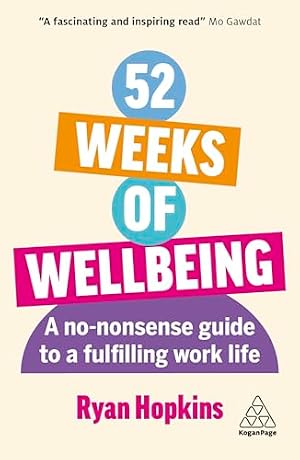
52 Weeks of Wellbeing
Ryan Hopkins
A No-Nonsense Guide to a Fulfilling Work Life
4.6 (25)26 mins
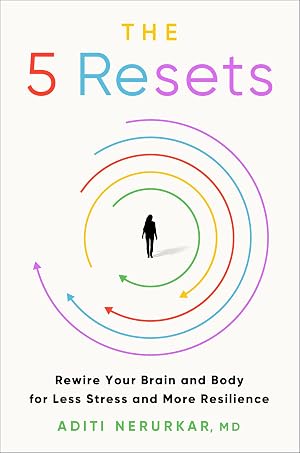
The 5 Resets
Aditi Nerurkar
Rewire Your Brain and Body for Less Stress and More Resilience
4.6 (61)22 mins