
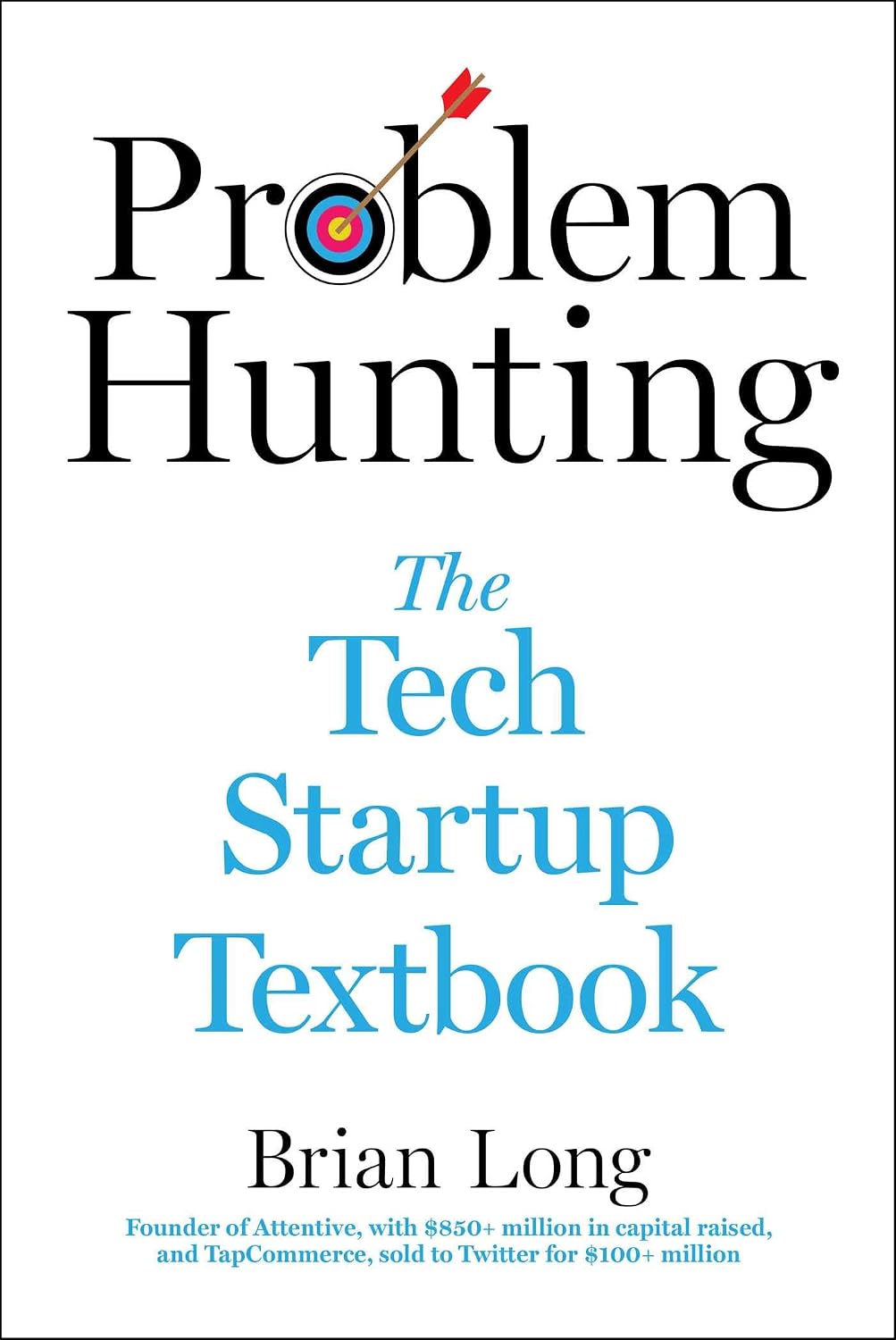
Problem Hunting Summary
By Brian Long
The Tech Startup Textbook
Summary preview
Most people are taught to solve problems. Very few are taught to find the right ones. That is the beating heart of Problem Hunting. The book turns the usual startup story upside down. It says the real work does not begin when you build a product, raise money, or polish a pitch. It begins much earlier, in a quieter and more demanding place. It begins when you train yourself to notice friction, unmet needs, strange workarounds, and recurring complaints in the real world. Before you chase a solution, you learn to hunt for a problem worth caring about. The book is built around a simple but powerful challenge. Stop falling in love with ideas too quickly. Stop assuming that clever technology or a cool feature automatically matters to someone. Instead, go out and look carefully at how people live and work. Listen to what frustrates them. Watch where time gets wasted. Notice where money leaks away, where confusion piles up, and where people keep patching over the same annoyance with makeshift habits. Those messy places are often where opportunity lives. Brian Long makes this feel practical rather than abstract. The book is not a grand theory of entrepreneurship floating high above daily life. It is hands on. It pushes you to observe, ask better questions, gather evidence, and build a habit of curiosity. The goal is not to dream harder. The goal is to see more clearly. Good founders, product thinkers, and builders are not just inventors. They are detectives. They pay attention to the world as it is, not just to the world they wish existed. One of the most refreshing things here is the refusal to romanticize startups. The book does not tell you to wait for a lightning bolt. It does not present innovation as magic. Instead, it treats useful businesses as the result of disciplined noticing. You do not need to be a genius with a once in a generation insight. You need to become the kind of person who can spot a real need before everyone else ignores it again. That means getting close to customers, testing assumptions early, and learning to separate a small irritation from a deep persistent pain. As the book unfolds, it moves from mindset to method. First, it teaches you how to see problems hiding in plain sight. Then it shows you how to tell whether a problem is painful enough, common enough, and urgent enough to matter. From there, it explores how to talk with people without leading them, how to validate demand before building too much, and how to choose opportunities that have real business potential. The message running through all of it is steady and clear. Great companies often start not with a brilliant answer, but with a sharp eye for a stubborn problem.
Sign up to continue reading
Get access to full book summaries, audio of the summaries, and many more.
Similar Books
Books with a similar vibe—explore more like this.
The AI-First Company
Ash Fontana
How to Compete and Win with Artificial Intelligence
3.8 (7)24 mins
Competing in the Age of AI
Marco Iansiti & Karim R. Lakhani
Strategy and Leadership When Algorithms and Networks Run the World
3.6 (49)13 mins

The Brand Benefits Playbook
Allen Weiss, Debbie J. MacInnis
Why Customers Aren't Buying What You're Selling--And What to Do About It
4.8 (803)20 mins
The Science of Scaling
Benjamin Hardy, Blake Erickson
Grow Your Business Bigger and Faster Than You Think Possible
4.8 (22)20 mins
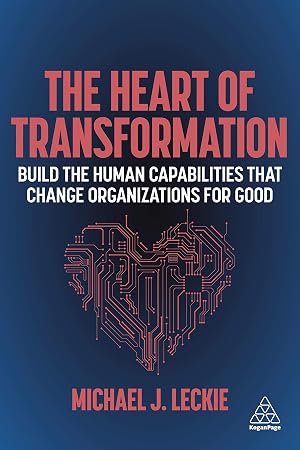
The Heart of Transformation
Michael J. Leckie
Build the Human Capabilities That Change Organizations for Good
4.7 (64)25 mins
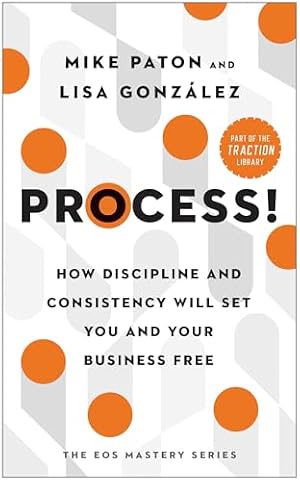
Process!
Mike Paton, Lisa González
How Discipline and Consistency Will Set You and Your Business Free
4.6 (5)23 mins
The Startup Lifecycle
Gregory Shepard
The Definitive Guide to Building a Startup from Idea to Exit
4.5 (346)21 mins
High Growth Handbook
Elad Gil
Scaling Startups from 10 to 10,000 People
4.5 (413)19 mins
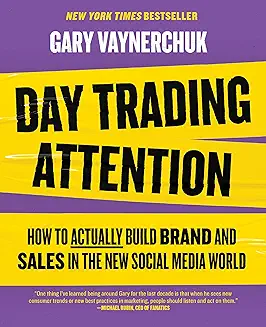
Day Trading Attention
Gary Vaynerchuk
Build Brand and Sales in the New Social Media World
4.5 (947)21 mins
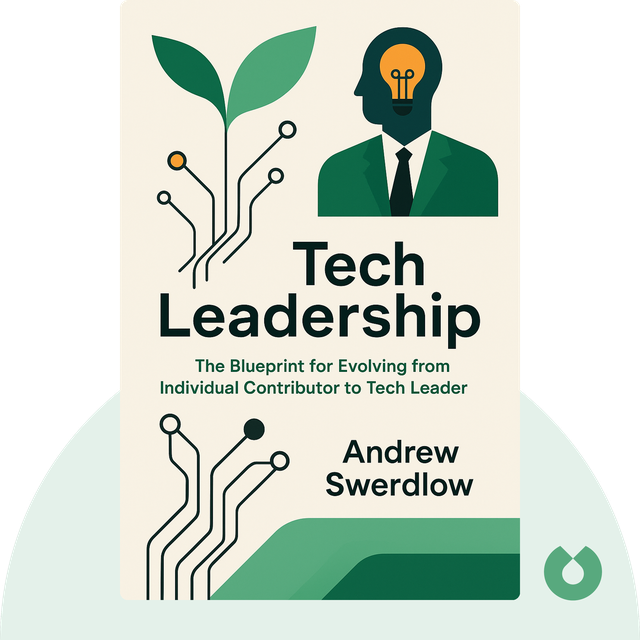
Tech Leadership
Andrew Swerdlow
How to Evolve from Individual Contributor to Tech Leader
4.5 (11)22 mins