
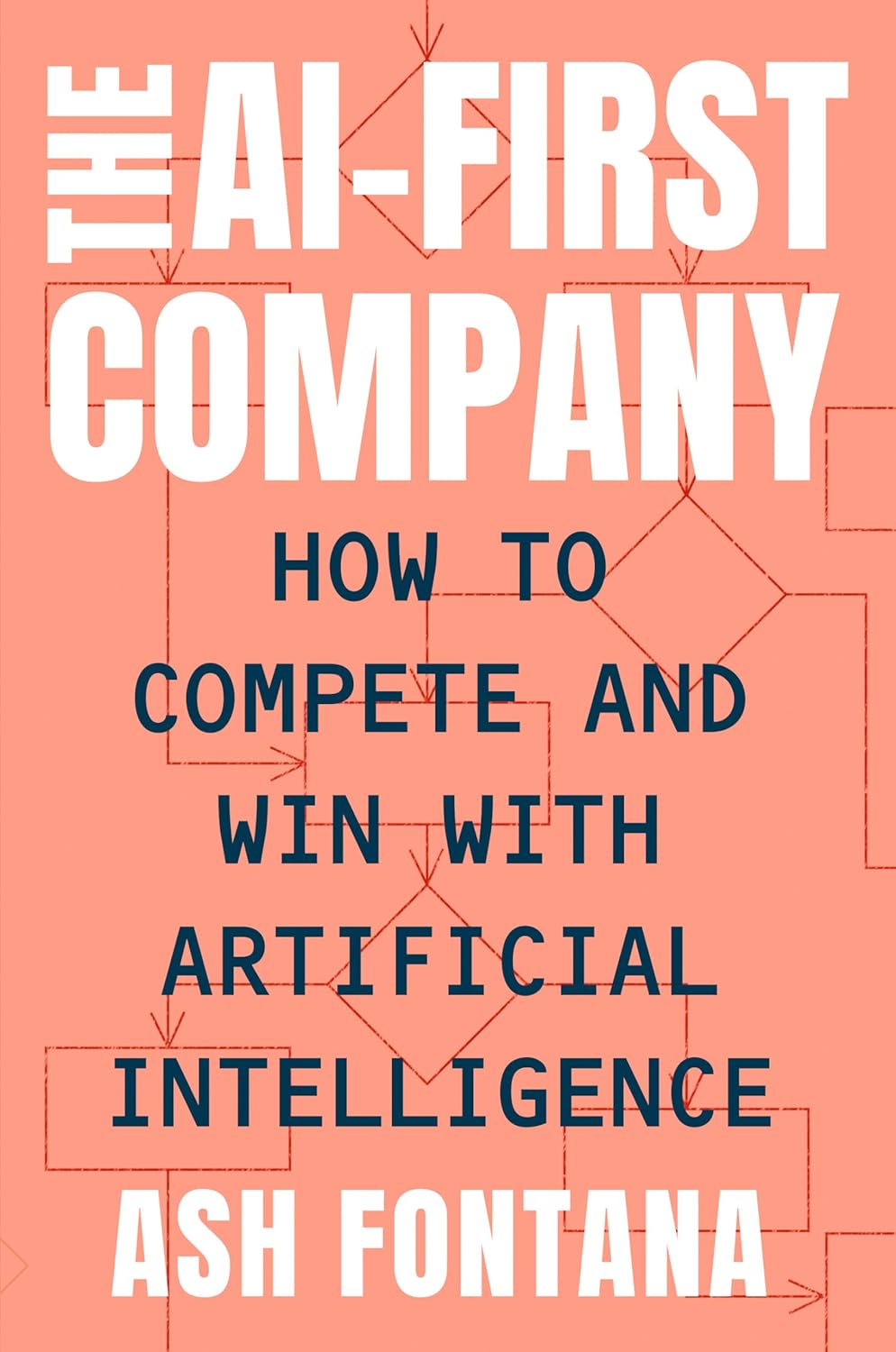
The AI-First Company Summary
By Ash Fontana
How to Compete and Win with Artificial Intelligence
Summary preview
Most companies still treat software as the star of the show. They build products, add features, hire engineers, and hope scale will come from writing more code than their competitors. The argument here is that this old playbook is running out of road. A new kind of company is pulling ahead, and it does not win because it writes software better. It wins because it learns better. It gathers data from the world, turns that data into prediction, and uses those predictions to improve the product, the customer experience, and the business itself. Then those improvements create more usage, which creates more data, which creates even better prediction. That is the flywheel. That is the shift. That is what it means to become AI first. Ash Fontana lays this out with the confidence of someone who has spent years watching data businesses grow from the inside. The book is not really a technical manual, even though it talks about machine learning, data pipelines, and the mechanics of AI. It is a business book about strategy, company design, and competition. Its real question is simple. If prediction becomes cheap and abundant, what kinds of businesses can do things that others cannot? The answer is that the best AI companies do not bolt intelligence onto an existing process. They redesign the process around learning. That means seeing your product in a different way. A normal software company delivers fixed rules. An AI first company creates a system that gets smarter with every interaction. A normal company thinks of data as exhaust. An AI first company treats data as raw material. A normal company hires people to make more and more decisions by hand. An AI first company asks which of those decisions can be predicted, automated, improved, and then scaled. What makes this book useful is that it stays grounded. The ideas are ambitious, but they are tied to concrete examples from investing, software, marketplaces, financial services, healthcare, autonomous systems, and consumer products. You can see how the same logic appears again and again. Better data leads to better models. Better models create better experiences. Better experiences attract more users or more transactions. More activity creates proprietary data that rivals cannot easily copy. Over time, the company becomes harder to catch, not because it has a secret algorithm, but because it has built a unique learning machine. So the journey ahead is about more than AI as a buzzword. It is about understanding where data comes from, which predictions matter, how products should be designed to capture learning, why some markets become winner take most, and how leaders need to organize teams, incentives, and operations around this reality. If you want to see why the future belongs to businesses that learn from the world faster than everyone else, you are in the right place.
Sign up to continue reading
Get access to full book summaries, audio of the summaries, and many more.
Similar Books
Books with a similar vibe—explore more like this.
Problem Hunting
Brian Long
The Tech Startup Textbook
4.2 (18)22 mins
Competing in the Age of AI
Marco Iansiti & Karim R. Lakhani
Strategy and Leadership When Algorithms and Networks Run the World
3.6 (49)13 mins

The Brand Benefits Playbook
Allen Weiss, Debbie J. MacInnis
Why Customers Aren't Buying What You're Selling--And What to Do About It
4.8 (803)20 mins
The Science of Scaling
Benjamin Hardy, Blake Erickson
Grow Your Business Bigger and Faster Than You Think Possible
4.8 (22)20 mins

The Heart of Transformation
Michael J. Leckie
Build the Human Capabilities That Change Organizations for Good
4.7 (64)25 mins
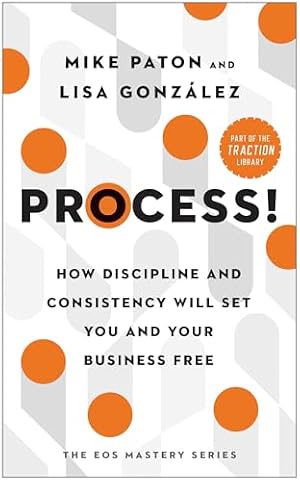
Process!
Mike Paton, Lisa González
How Discipline and Consistency Will Set You and Your Business Free
4.6 (5)23 mins
The Startup Lifecycle
Gregory Shepard
The Definitive Guide to Building a Startup from Idea to Exit
4.5 (346)21 mins

High Growth Handbook
Elad Gil
Scaling Startups from 10 to 10,000 People
4.5 (413)19 mins
Day Trading Attention
Gary Vaynerchuk
Build Brand and Sales in the New Social Media World
4.5 (947)21 mins
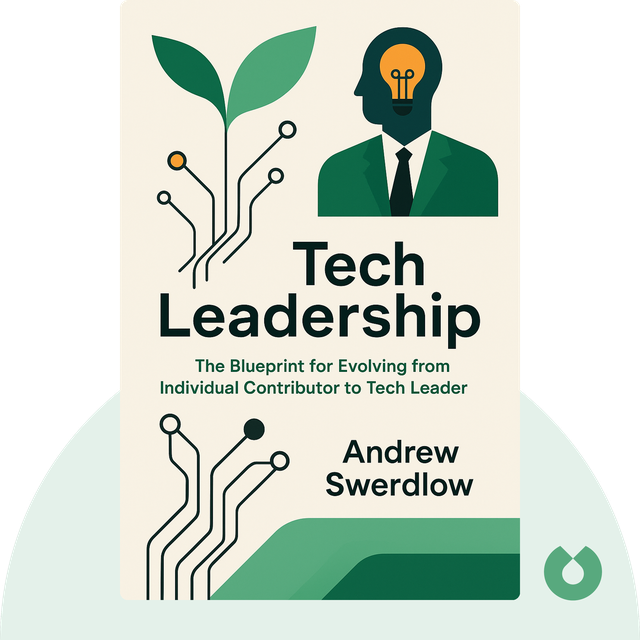
Tech Leadership
Andrew Swerdlow
How to Evolve from Individual Contributor to Tech Leader
4.5 (11)22 mins