
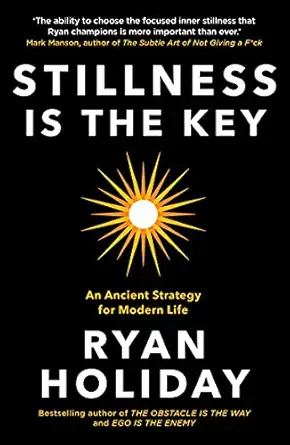
Stillness Is the Key Summary
By Ryan Holiday
Timeless Stoic and Buddhist philosophy
Summary preview
There is a strange thing about the modern world. We have more tools, more noise, more access, more speed, more choices than almost any people who have ever lived. And yet so many of us feel pulled apart. Our thoughts race. Our emotions spike and crash. Our bodies are tense, tired, overstimulated. We are connected to everything and somehow at peace with nothing. That is the problem this book wants to solve. Stillness is not laziness. It is not withdrawal. It is not some soft luxury for people with extra time. It is a way of being fully alive without being constantly jerked around by the world. It is clarity in the mind, calm in the heart, and steadiness in the body. It is what lets you see what matters and ignore what does not. It is what keeps you from reacting too quickly, wanting too much, fearing too much, or wasting yourself on what cannot satisfy you. Ryan Holiday builds this idea from an old tradition that runs through Stoicism, Buddhism, Christianity, and many other wisdom paths. Across centuries and cultures, the message keeps returning in slightly different words. Slow down. Clear the clutter. Master yourself. Learn to listen. Make space between what happens and how you respond. The people who did great things, endured great trials, led others well, created beauty, or found inner peace did not do it by living in permanent frenzy. They did it by cultivating stillness. This book moves through three dimensions of life. First comes the mind. That is where distraction, obsession, worry, ego, and endless chatter can take over. Then comes the spirit, meaning the emotional and moral center of a person. That is where desire, anger, ambition, fear, pride, and attachment can either poison us or be disciplined. Finally comes the body, because our physical habits shape our inner life more than we like to admit. Sleep, routine, exercise, rest, breathing, and presence all matter. You cannot have a still life in a body trained for chaos. Along the way, the book brings in emperors, athletes, artists, generals, monks, presidents, and ordinary people under extraordinary pressure. For example, there are stories of leaders who kept their heads while others panicked, creators who made room for solitude, and public figures who were ruined because they could not master themselves. These examples are not there to impress you. They are there to remind you that stillness is practical. It helps in war, politics, business, family life, creativity, grief, success, and failure. The promise of the book is simple but demanding. If you want a better life, you do not need more stimulation. You need less inner turbulence. You need a quiet center. The pages ahead show what gets in the way of that center and how to return to it again and again.
Sign up to continue reading
Get access to full book summaries, audio of the summaries, and many more.
Similar Books
Books with a similar vibe—explore more like this.
The Midnight Library
Matt Haig
A Fantasy Novel About the Choices That Lead to a Life Well-Lived
4.7 (4782)32 mins
Understanding and Responding to Self-Harm
Allan House
The One Stop Guide: Practical Advice for Anybody Affected by Self-Harm
4.6 (351)21 mins
The Free-Time Formula
Jeff Sanders
Jeff Sanders Finding Happiness, Focus, and Productivity No Matter How Busy You Are
4.5 (890)29 mins
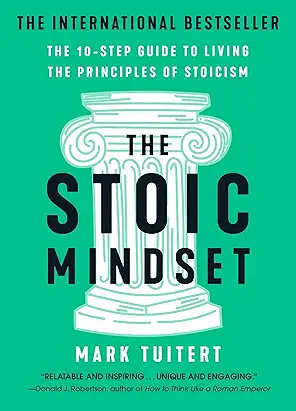
The Stoic Mindset
Mark Tuitert
Living the Ten Principles of Stoicism
4.4 (406)20 mins
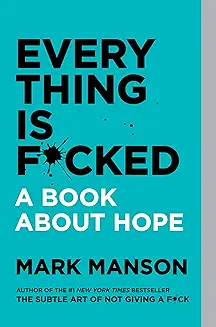
Everything is F*cked
Mark Manson
A Book About Hope
4.4 (913)32 mins
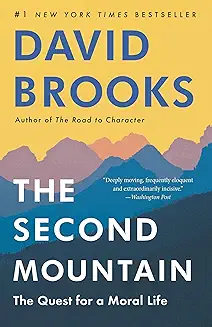
The Second Mountain
David Brooks
The Quest for a Moral Life
4.4 (1028)34 mins
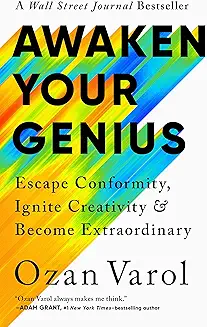
Awaken Your Genius
Ozan Varol
Escape Conformity, Ignite Creativity, and Become Extraordinary
4.4 (672)22 mins
The Four Agreements
Don Miguel Ruiz & Janet Mills
A Practical Guide to Personal Freedom
4.3 (913)21 mins

Stop Overthinking
Nick Trenton
23 Techniques to Relieve Stress, Stop Negative Spirals, Declutter Your Mind, and Focus on the Present
4.3 (691)27 mins
Lovingkindness
Sharon Salzberg
The Revolutionary Art of Happiness
4.9 (88) mins