

Understanding and Responding to Self-Harm Summary
By Allan House
The One Stop Guide: Practical Advice for Anybody Affected by Self-Harm
Summary preview
In this thoughtful work, the author invites us into a deeply reflective and compassionate exploration of self-harm. From the very first page, the reader is welcomed into a narrative that seeks not to judge but to understand the complexities of self-injury as a manifestation of overwhelming internal distress. The tone throughout is warm and conversational, encouraging a sense of shared human experience. Here, self-harm is not simply relegated to a list of symptoms; rather, it is presented as a window into emotional pain, a signal of a deeper need that cries out for understanding, connection, and appropriate support. The narrative sets the stage by establishing that self-harm is not uniform in its presentation. It spans a wide spectrum of experiences, touching on methods, motivations, and the intricate interplay between psychological, social, and even biological factors. The author steers us away from simplistic explanations and invites us to consider self-injury as a multifaceted phenomenon that requires both empathy and a nuanced clinical approach. Throughout the book, we are guided to see self-harm as a language—a way of communicating pain when words seem to fail. With warmth and clarity, the narrative underscores that at its core, self-injury is both a cry for help and a method of self-regulation, a desperate attempt to manage feelings that might otherwise become unbearable. The book delicately unpacks how emotional turmoil and past traumas can intersect with moments of acute self-doubt and isolation. By weaving together compelling case studies, reflective insights, and practical guidance, the author crafts a resource that speaks directly to anyone who has experienced self-harm, as well as to those who support individuals on their journey to healing. The text emphasizes that while the behavior may seem mysterious or even counterintuitive to the untrained eye, there is a clear logic behind it—a logic rooted in survival, the search for relief, and sometimes, the absence of alternative coping mechanisms. At its heart, this work is an appeal for a deeper understanding and a more compassionate response. The reader is encouraged to look beyond the surface of the behavior and to search for the underlying emotional narratives that drive the need to self-harm. The message is as much for professionals as it is for friends, families, and anyone who has ever felt the weight of despair. In doing so, the text lays a foundation for improved dialogue, better clinical practice, and ultimately, a more empathetic society that recognizes the need for genuine healing rather than quick judgement. By gently challenging both misconceptions and stigmas, this introduction sets a reflective tone for what is to come. It assures the reader that if they continue along this journey, they will engage with well-rounded perspectives that seek to validate the complexity of self-harm and offer thoughtful pathways toward recovery and hope.
Sign up to continue reading
Get access to full book summaries, audio of the summaries, and many more.
Similar Books
Books with a similar vibe—explore more like this.
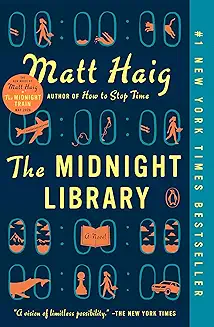
The Midnight Library
Matt Haig
A Fantasy Novel About the Choices That Lead to a Life Well-Lived
4.7 (4782)32 mins
The Free-Time Formula
Jeff Sanders
Jeff Sanders Finding Happiness, Focus, and Productivity No Matter How Busy You Are
4.5 (890)29 mins
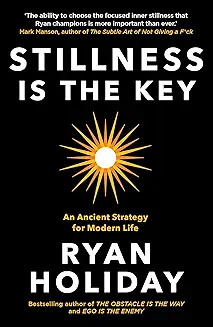
Stillness Is the Key
Ryan Holiday
Timeless Stoic and Buddhist philosophy
4.5 (993)35 mins
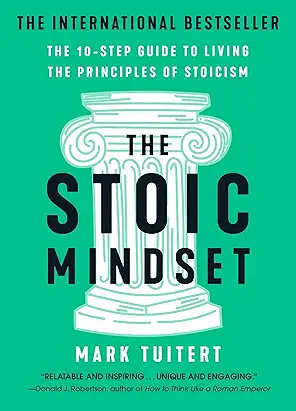
The Stoic Mindset
Mark Tuitert
Living the Ten Principles of Stoicism
4.4 (406)20 mins
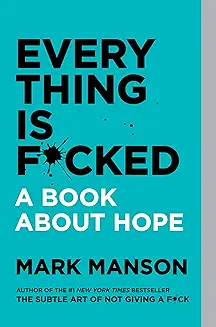
Everything is F*cked
Mark Manson
A Book About Hope
4.4 (913)32 mins
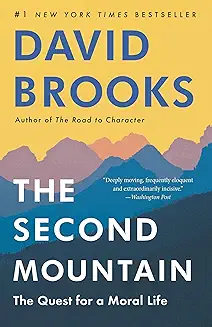
The Second Mountain
David Brooks
The Quest for a Moral Life
4.4 (1028)34 mins
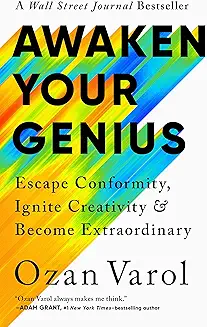
Awaken Your Genius
Ozan Varol
Escape Conformity, Ignite Creativity, and Become Extraordinary
4.4 (672)22 mins

The Four Agreements
Don Miguel Ruiz & Janet Mills
A Practical Guide to Personal Freedom
4.3 (913)21 mins

Stop Overthinking
Nick Trenton
23 Techniques to Relieve Stress, Stop Negative Spirals, Declutter Your Mind, and Focus on the Present
4.3 (691)27 mins
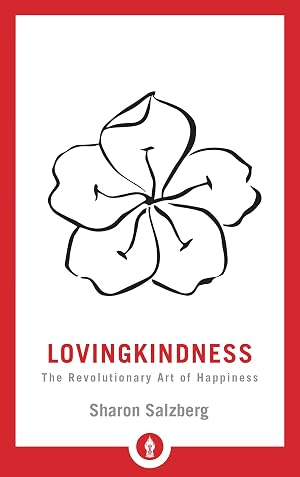
Lovingkindness
Sharon Salzberg
The Revolutionary Art of Happiness
4.9 (88) mins