

Teaching with AI Summary
By José Antonio Bowen, C. Edward Watson
A Practical Guide to a New Era of Human Learning
Summary preview
Teaching with AI is a practical, hopeful invitation to stop treating artificial intelligence like a storm to hide from and start treating it like weather we must learn to live in. José Antonio Bowen and C. Edward Watson are not dazzled by shiny tools for their own sake, and they are not interested in panic either. Their message is steadier than that. AI is already changing how people write, search, solve problems, and make decisions. Students are using it. Employers are using it. Everyday life is filling up with it. So education has to change too. The book begins with a simple truth. Whenever a powerful new technology arrives, schools tend to respond in familiar ways. Some people ban it, some ignore it, and some rush to adopt it without asking what learning is really for. The authors push against all three reactions. They want us to ask better questions. What should students know in a world where machines can generate plausible answers in seconds? What skills matter more now, not less? How do we redesign teaching so that AI helps students think rather than helping them avoid thinking? At the heart of the book is a shift in focus from policing tools to improving learning. The real issue is not whether students can use AI. The real issue is whether our assignments, assessments, and classroom habits still make sense. If a chatbot can complete a task easily, perhaps the task was measuring the wrong thing all along. That does not mean knowledge no longer matters. Quite the opposite. The book insists that human expertise, judgment, curiosity, ethics, and deep understanding matter even more when AI can produce fast, fluent, and often unreliable outputs. What follows is both warning and guidebook. The warning is that AI can amplify laziness, bias, misinformation, and shallow learning if we use it carelessly. The guidebook is that teachers can redesign courses in ways that make learning more active, visible, and meaningful. The authors walk through classroom policies, assignment design, assessment choices, equity concerns, institutional leadership, and the habits students need to become thoughtful users of AI. Again and again, they return to one grounding idea. We do not teach subjects only. We teach people how to question, interpret, create, evaluate, and act responsibly. So the book is not really about gadgets. It is about education under pressure and possibility at the same time. It asks us to hold onto the deepest purposes of teaching while letting go of routines that no longer serve students well. It is energetic, concrete, and deeply centered on the human side of learning. AI may be the spark for the conversation, but the real topic is how we help people become wiser, more capable, and more awake in a changing world.
Sign up to continue reading
Get access to full book summaries, audio of the summaries, and many more.
Similar Books
Books with a similar vibe—explore more like this.
You Belong In Tech
Anna Jean McDougall
How to Go From Zero Programming Knowledge to Hired
4.3 (6) mins
AI Made Simple
Rajeev Kapur
A Beginner's Guide to Generative Intelligence
4.1 (61)26 mins

The Skill Code
Matt Beane
How to Save Human Ability in an Age of Intelligent Machines
3.8 (321)22 mins
Why We Sleep
Matthew Walker
Unlocking the Power of Sleep and Dreams
4.8 (1560)17 mins

Alice in Wonderland
Lewis Carroll
Follow Alice down a rabbit hole of whimsical, witty absurdity.
4.8 (5) mins
The Talent Code
Daniel Coyle
Greatness Isn't Born. It's Grown. Here's How.
4.6 (667)36 mins
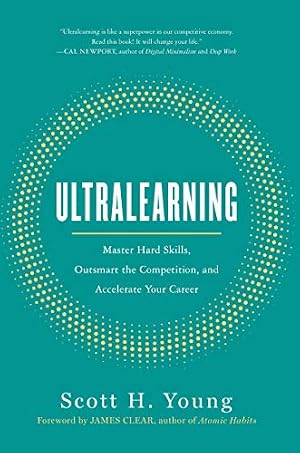
Ultralearning
Scott H. Young
Accelerate Your Career, Master Hard Tasks and Outsmart the Competition
4.6 (328) mins
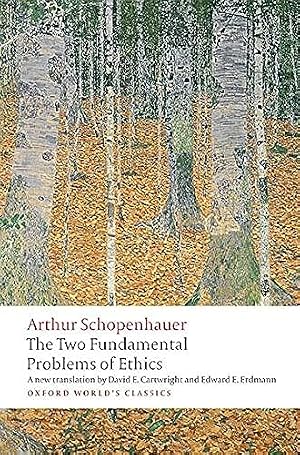
The Two Fundamental Problems of Ethics
Arthur Schopenhauer
A rigorous investigation of moral philosophy's deepest questions
4.6 (19) mins
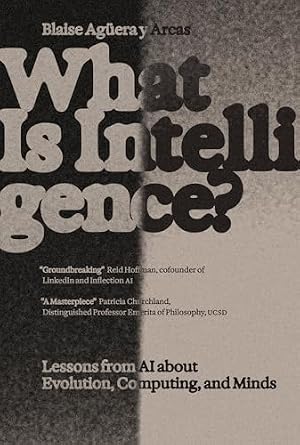
What Is Intelligence?
Blaise Aguera y Arcas
Lessons from AI About Evolution, Computing, and Minds
4.6 (16) mins
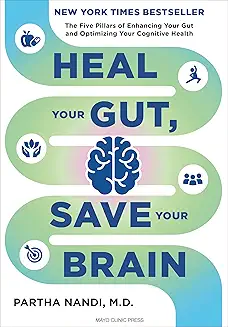
Heal Your Gut, Save Your Brain
Partha Nandi
The Five Pillars of Enhancing Your Gut and Optimizing Your Cognitive Health
4.5 (335)21 mins