
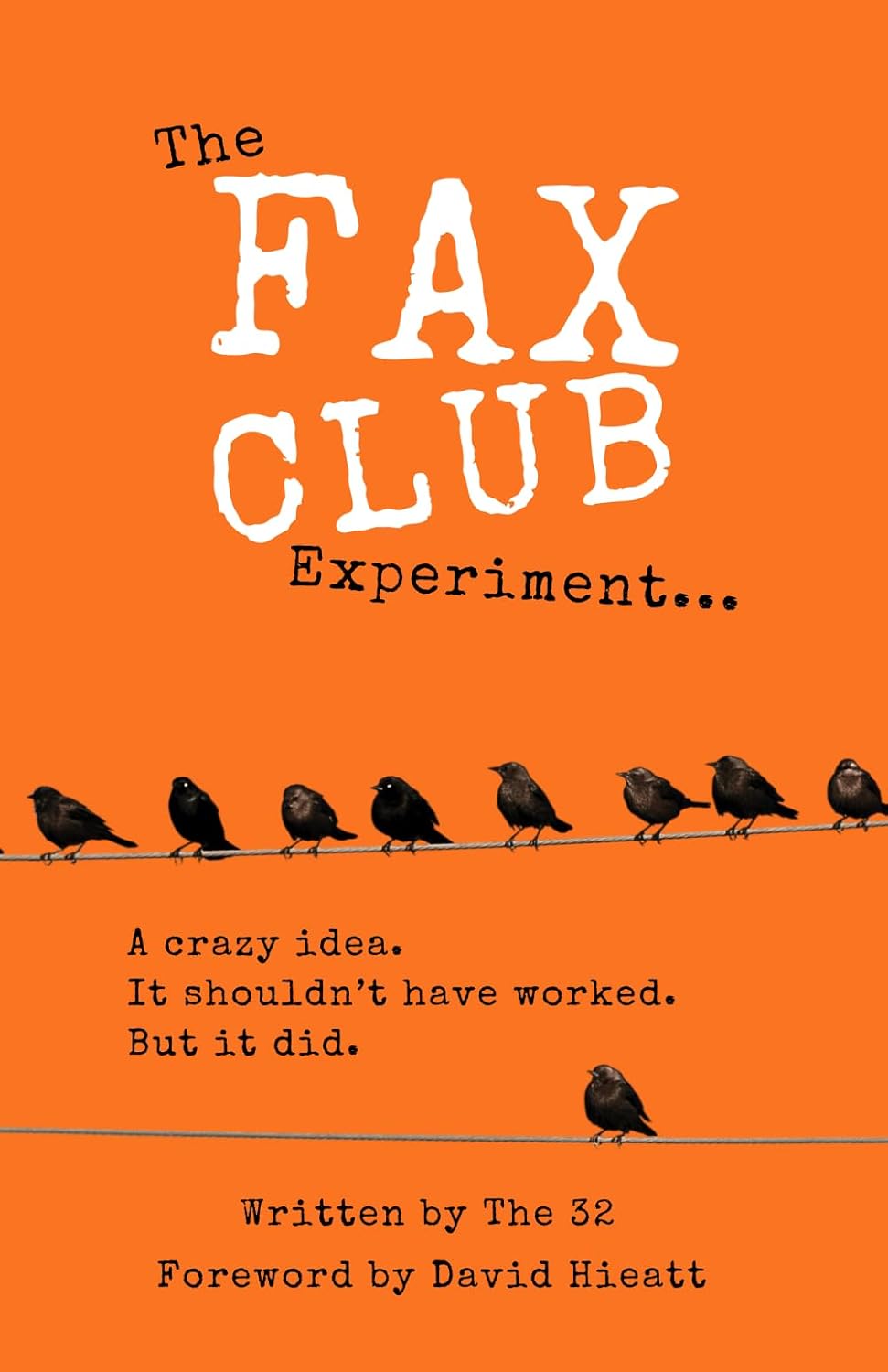
The Fax Club Experiment Summary
By The 32
A crazy idea. It shouldn't have worked. But it did.
Summary preview
At the heart of The Fax Club Experiment is a playful but serious question. What happens when people try to build real connection, shared purpose, and creative momentum through a tool most of the world has already dismissed as old, awkward, and out of date. That question gives the book its spark. What follows is not just a story about fax machines or a quirky communications project. It is a story about attention, constraint, ritual, and the odd ways human beings come alive when they are asked to slow down and participate. The book unfolds like a live experiment you are invited to watch from the inside. A group gathers around a simple system. Messages are sent, received, pinned up, reacted to, and answered. What might seem clumsy at first starts to reveal a strange power. Because the medium is limited, people become more deliberate. Because it is tangible, messages carry weight. Because it is not instant in the way digital platforms are instant, anticipation and curiosity return. You begin to see that the point is not efficiency. The point is presence. What makes the book so engaging is that it never treats the experiment as a gimmick. It keeps asking what communication is for in the first place. Is it just about speed and convenience, or is it also about texture, memory, surprise, and commitment. The project becomes a mirror held up to modern habits. We are used to endless messages, constant alerts, and polished online identities. Against that backdrop, a faxed page feels almost honest. It arrives with smudges, crooked margins, handwritten notes, accidental marks. It feels made by a person, not optimized by a system. The 32 uses this setup to explore much bigger ideas about community and creative practice. The experiment turns into a kind of club, but not the exclusive sort. It is a living invitation. People take part not because they are forced to but because the format nudges them into curiosity and care. They learn that simple rules can open surprising freedom. They learn that technology does not determine meaning on its own. Meaning is shaped by the way people gather around a tool and decide to use it. By the time the book is in motion, you can feel that something deeper is being tested. Can older forms of communication still create new energy. Can slowness become an advantage. Can a shared practice, even one built around an unlikely machine, make people notice one another more fully. The answer the book keeps circling is yes, but only if people show up with imagination. That is what gives the whole journey its warmth. It is not nostalgia for obsolete devices. It is faith that human connection can be redesigned in small, surprising ways.
Sign up to continue reading
Get access to full book summaries, audio of the summaries, and many more.
Similar Books
Books with a similar vibe—explore more like this.
Creativity Rules
Tina Seelig
Get Ideas Out of Your Head and into the World
4.5 (12) mins
Loonshots
Safi Bahcall
How to Nurture the Crazy Ideas That Win Wars, Cure Diseases, and Transform Industries
4.4 (792)27 mins
Do Bigger Things
Dan McClure, Jennifer Wilde
A Practical Guide to Powerful Innovation in a Changing World
3.8 (358)23 mins
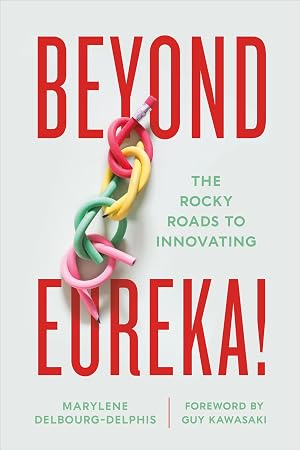
Beyond Eureka!
Marylene Delbourg-Delphis
The Rocky Roads to Innovating
3.2 (3) mins

Girl Code
Cara Alwill Leyba
Secrets to Sanity and Success for the Female Entrepreneur
4.9 (4) mins

The Brand Benefits Playbook
Allen Weiss, Debbie J. MacInnis
Why Customers Aren't Buying What You're Selling--And What to Do About It
4.8 (803)20 mins
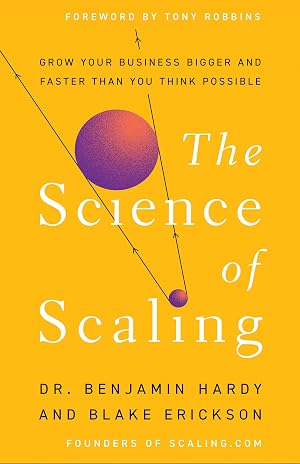
The Science of Scaling
Benjamin Hardy, Blake Erickson
Grow Your Business Bigger and Faster Than You Think Possible
4.8 (22) mins
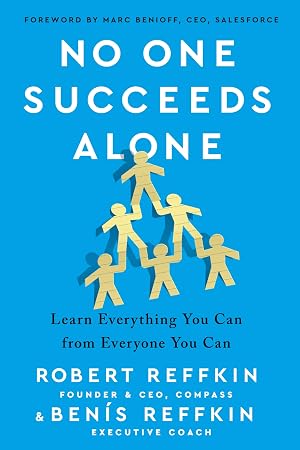
No One Succeeds Alone
Robert Reffkin
Learn Everything You Can from Everyone You Can
4.8 (9)23 mins
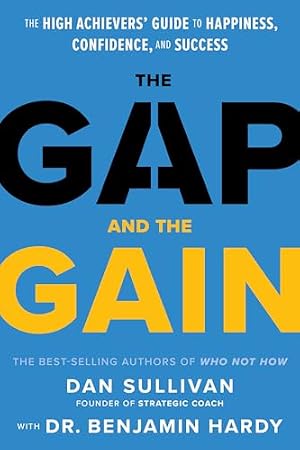
The Gap and the Gain
Dan Sullivan with Benjamin Hardy
The High Achievers' Guide to Happiness, Confidence, and Success
4.7 (376) mins
Write Your Book in a Flash
Dan Janal
The Paint-by-Numbers System to Write the Book of Your Dreams—FAST!
4.7 (31) mins