
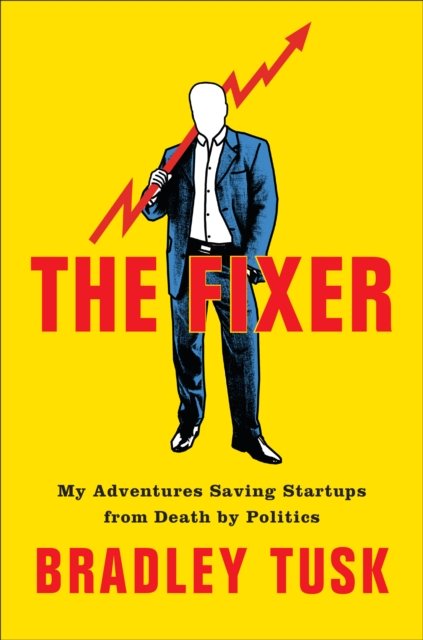
The Fixer Summary
By Bradley Tusk
Saving Startups from Death by Politics
Summary preview
Power decides what gets built, what gets blocked, and who gets to win. That is the beating heart of The Fixer. It is not really a book about politics in the abstract. It is a practical guide to understanding how decisions are made in the real world and how smart people can stop losing fights they should have seen coming. The core argument is simple. If you are building a company, launching a product, running a campaign, leading a nonprofit, or trying to change a city, you cannot treat politics like background noise. Politics is not a side issue. It is often the issue. The book grows out of a career spent in rooms where stakes are high and outcomes are rarely clean. Bradley Tusk writes from the perspective of someone who has worked in government, advised powerful leaders, and then helped startups survive brutal collisions with regulators, competitors, unions, and entrenched interests. That gives the book its energy. It does not read like theory. It reads like hard earned pattern recognition. You see over and over that many talented founders and executives believe that if they build something useful, better, and popular, the world will make room for it. But the world does not work that way. If your success threatens someone with political power, they will come for you. They may do it through legislation, lawsuits, agencies, public pressure, media narratives, or quiet backchannel moves. If you are not ready, you will lose before you understand the game. What makes this book compelling is that it does not simply warn you. It hands you a playbook. It explains who matters, how influence works, when to negotiate, when to fight, how to map stakeholders, how to mobilize customers, and how to turn public support into political leverage. It insists that winning requires discipline. You need strategy before crisis, not after. You need to know your opponents, your allies, your pressure points, and your path to decision makers. You need to understand incentives, because people almost always act on them. Along the way, the book uses vivid examples from technology, transportation, gambling, and public life, especially battles involving disruptive companies like Uber and FanDuel. Those stories show politics not as a distant spectacle but as a daily operating reality. The larger message is both sobering and empowering. You may not like politics. You may think your mission should be enough. But if you learn how power works, you can protect what you are building and sometimes reshape the rules entirely. That is what a fixer does. Not magic. Not spin. Just a clear eyed, relentless effort to get from the world as it is to the outcome you need.
Sign up to continue reading
Get access to full book summaries, audio of the summaries, and many more.
Similar Books
Books with a similar vibe—explore more like this.
Fintech Wars
James Da Costa
Tech Titans, Chaotic Crypto and the Future of Money
3.9 (13)25 mins
The Bitcoin Standard
Saifedean Ammous
The Decentralized Alternative to Central Banking
4.6 (291)34 mins
New to Big
David Kidder, Christina Wallace
How Companies Can Create Like Entrepreneurs, Invest Like VCs, and Install a Permanent Operating System for Growth
4.6 (683)31 mins
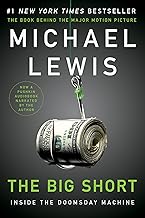
The Big Short
Michael Lewis
Inside the Doomsday Machine
4.5 (1357)36 mins
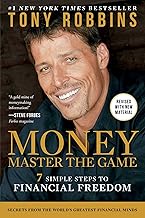
Money: Master the Game
Tony Robbins
7 Simple Steps to Financial Freedom
4.5 (1785)30 mins
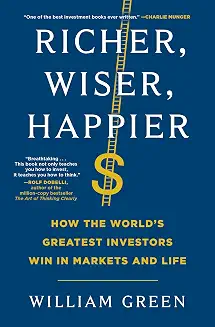
Richer, Wiser, Happier
William Green
How the World's Greatest Investors Win in Markets and Life
4.5 (567)38 mins

The Little Book of Market Wizards
Jack D. Schwager
Lessons from the Greatest Traders
4.5 (30)23 mins
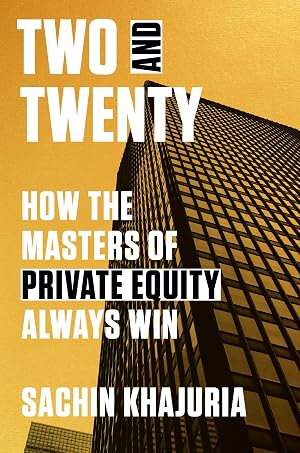
Two and Twenty
Sachin Khajuria
How the Masters of Private Equity Always Win
4.5 (116)19 mins

The Land Trap
Mike Bird
A New History of the World's Oldest Asset
4.5 (15)23 mins
The Almightier
Paul Vigna
How Money Became God, Greed Became Virtue, and Debt Became Sin
4.5 (16)27 mins