
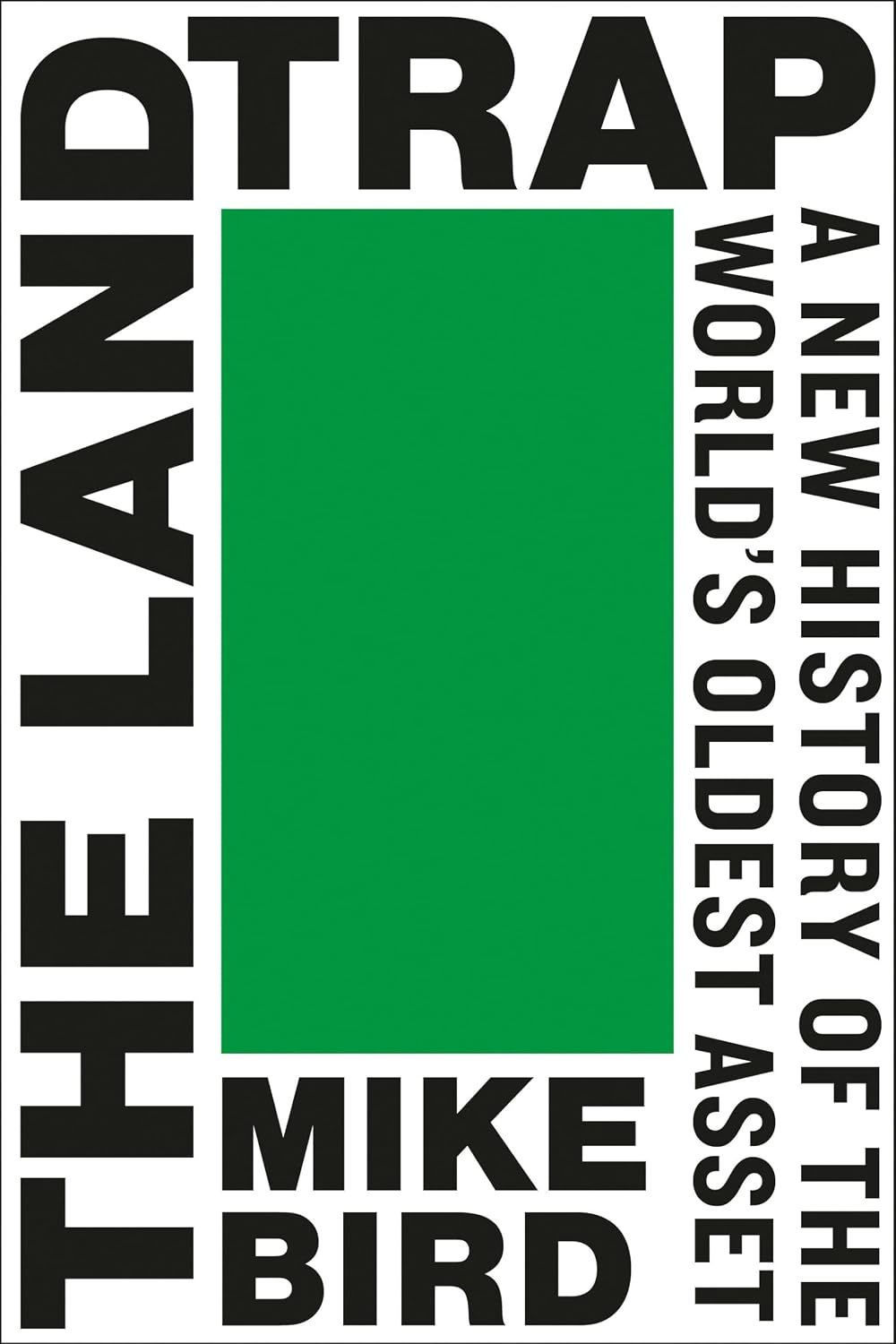
The Land Trap Summary
By Mike Bird
A New History of the World's Oldest Asset
Summary preview
The Land Trap is a sharp, plain spoken look at one of the biggest hidden engines of modern inequality. Mike Bird takes a subject that often feels dry or technical, land, housing, planning, rent, ownership, tax, and turns it into a story about power, scarcity, and who gets to live a decent life. The book argues that many rich countries are not simply suffering from a housing problem. They are stuck in a land problem. Homes have become expensive because the value of land, especially urban land in places where people actually want and need to live, has been allowed to swell far beyond wages, productivity, or common sense. What makes the trap so dangerous is that it can look like success. Rising house prices are treated as good news. Landowners feel richer. Governments like the appearance of growth. Banks happily lend against ever more valuable property. Yet beneath that cheerful surface, the social damage keeps piling up. Young people are pushed out of secure housing. Workers cannot move easily to the most productive cities. Families spend huge shares of their income on rent or mortgages. Businesses face higher costs. Whole economies become obsessed with bidding up existing assets instead of building new ones. A society that should be investing in the future ends up defending the privileges locked into the ground. The book moves through history, economics, politics, and lived experience. It explains why land is unlike other goods. Nobody made it. We cannot produce more of it in the places where demand is strongest. Its value often comes not from the efforts of the owner but from the surrounding community, public investment, and the simple pressure of population and jobs. That creates a strange moral and economic puzzle. If society creates much of land value, why do private owners capture so much of the gain. From there, the story widens. The book shows how planning systems, tax choices, financial incentives, and political fear combine to keep land scarce and expensive. It challenges the comforting myth that this is all just an unfortunate side effect of prosperity. Instead, it presents a system that rewards those who already own and punishes those who do not. For instance, homeowners can become accidental beneficiaries of scarcity while renters absorb the costs. Politicians then hesitate to fix the system because the winners are organized and vocal, while the losers are fragmented and exhausted. What follows is not just a complaint. It is an attempt to explain the machine from the inside. The point is to help you see why housing feels broken in so many places, why the same arguments return again and again, and why land sits at the heart of questions about fairness, growth, and democracy. Once you see the trap, it becomes much harder to pretend that the status quo is natural or inevitable.
Sign up to continue reading
Get access to full book summaries, audio of the summaries, and many more.
Similar Books
Books with a similar vibe—explore more like this.
The Big Short
Michael Lewis
Inside the Doomsday Machine
4.5 (1357)36 mins
The Almightier
Paul Vigna
How Money Became God, Greed Became Virtue, and Debt Became Sin
4.5 (16)27 mins
Principles For Dealing With the Changing World Order
Ray Dalio
Why Nations Succeed and Fail
4.2 (69)22 mins

Financial Feminist
Tori Dunlap
Overcome the Patriarchy's Bullsh*t to Master Your Money and Build a Life You Love
4.2 (85)24 mins
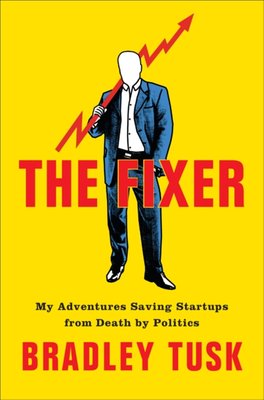
The Fixer
Bradley Tusk
Saving Startups from Death by Politics
4.8 (5)32 mins
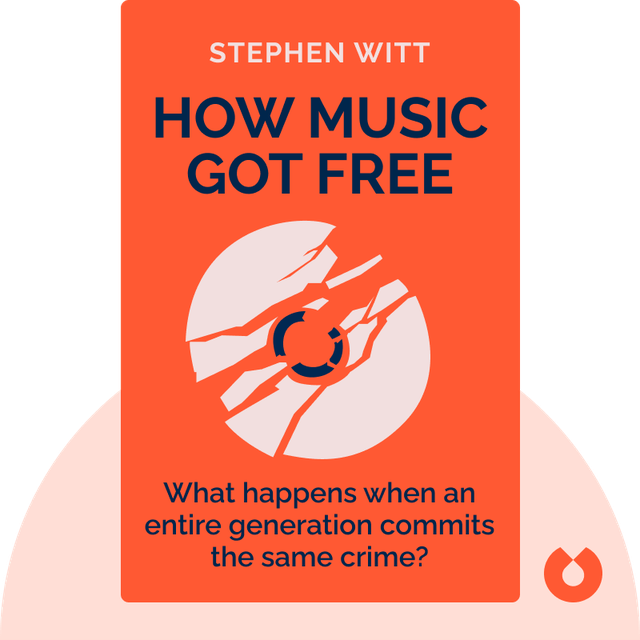
How Music Got Free
Stephen Witt
What happens when an entire generation commits the same crime?
4.8 (8)36 mins
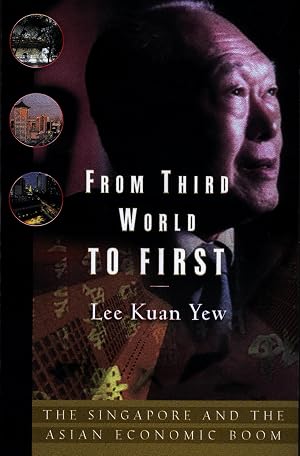
From Third World to First
Lee Kuan Yew
The Singapore Story: 1965-2000
4.7 (16)22 mins
The Bitcoin Standard
Saifedean Ammous
The Decentralized Alternative to Central Banking
4.6 (291)34 mins

Cobalt Red
Siddharth Kara
How the Blood of the Congo Powers Our Lives
4.6 (4)22 mins
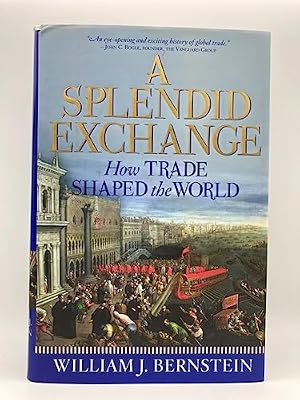
A Splendid Exchange
William J. Bernstein
How Trade Shaped the World
4.6 (7)30 mins