
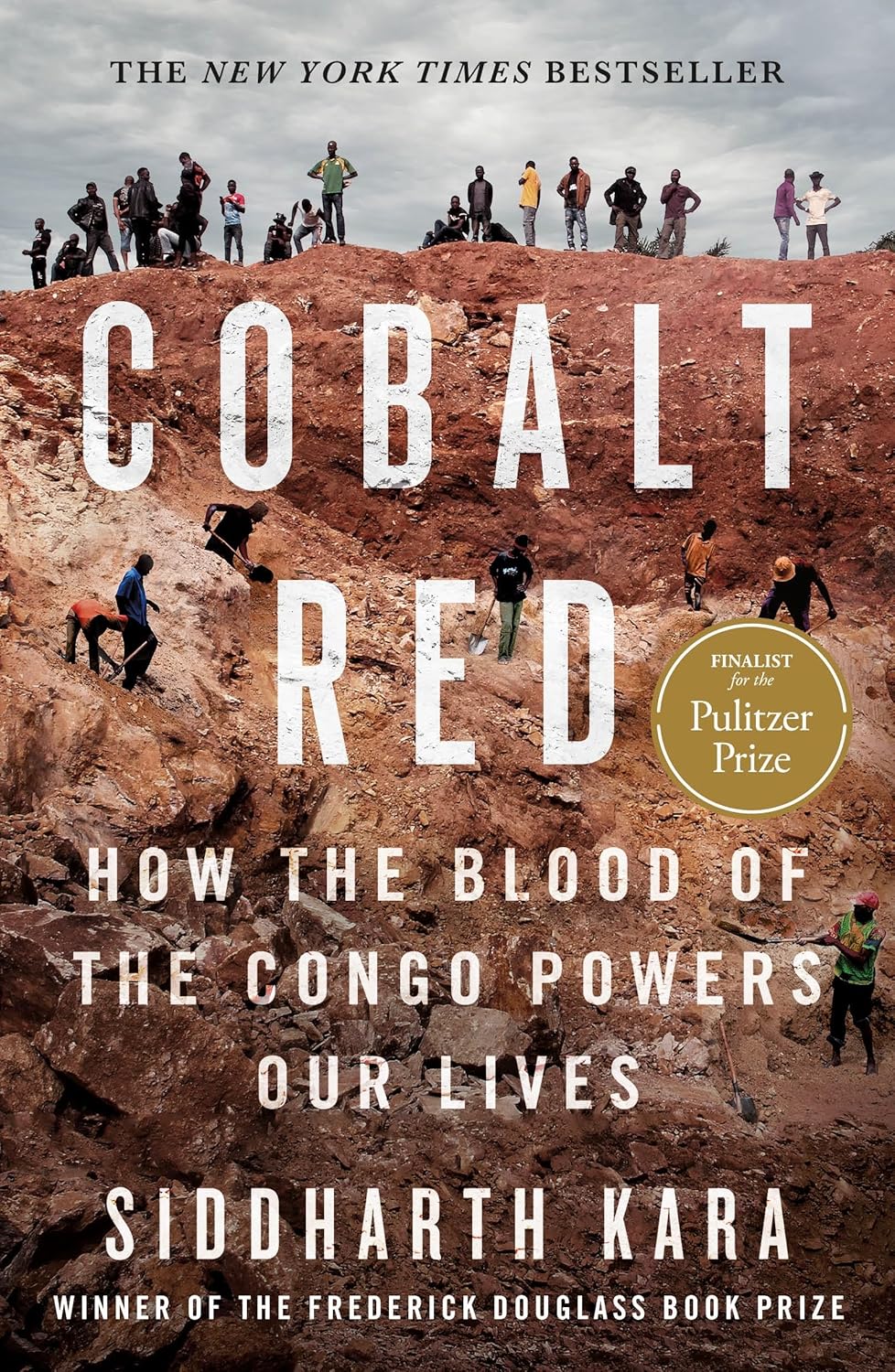
Cobalt Red Summary
By Siddharth Kara
How the Blood of the Congo Powers Our Lives
Summary preview
Cobalt Red is a journey into the hidden heart of the modern world, where the sleek glow of smartphones, electric cars, and rechargeable batteries depends on one of the most brutal labor systems on earth. Siddharth Kara takes you to the Democratic Republic of the Congo, where most of the world’s cobalt is found, and where countless men, women, and children dig that cobalt from the ground with their bare hands. What looks from afar like progress, innovation, and green technology is, up close, soaked in human suffering, toxic exposure, shattered bodies, and stolen futures. The book is driven by a simple but devastating question. What is the true cost of our devices and our transition to clean energy? To answer it, the story does not stay in boardrooms, policy reports, or abstract economic charts. It walks through mining pits, villages, market roads, and hospital wards. It listens to workers who descend into unstable tunnels for a few dollars a day. It listens to mothers who carry infants on their backs while washing ore. It listens to children whose hands sort cobalt rocks instead of holding pencils in school. And it listens to families who have lost loved ones in tunnel collapses or to the long poison of cobalt dust. What gives this book its force is that it refuses distance. The suffering is not presented as an unfortunate side effect at the edge of a complicated supply chain. It is shown as the foundation of that chain. The extraction of cobalt in Congo is not merely disorderly or underregulated. It is organized exploitation that feeds some of the richest corporations on earth. Behind the language of responsible sourcing and sustainability, the book uncovers a system in which cobalt from industrial concessions and artisanal miners is mixed together, bought through layers of traders and processors, and shipped into global battery production with remarkable ease. The story is also deeply personal. The narrator is not content to summarize what others have said. He travels repeatedly into the mining regions and records what he sees with his own eyes. He describes the red earth, the metallic dust, the aching heat, the open pits and hand dug shafts, the fear in the voices of workers, and the numb routine of people who have no better option. He shows that this crisis is not hidden because it is impossible to find. It is hidden because the world has chosen not to look too closely. At its core, this book is an indictment, a witness statement, and a moral appeal. It asks you to understand that the shiny tools of modern life are connected to real people whose pain has been made invisible. It asks whether a future called green can truly be just if it is built on the suffering of the poorest people in the world. And it asks what responsibility belongs to all of us who benefit from this arrangement, whether we are consumers, investors, executives, or citizens.
Sign up to continue reading
Get access to full book summaries, audio of the summaries, and many more.
Similar Books
Books with a similar vibe—explore more like this.
Technofeudalism
Yanis Varoufakis
What Killed Capitalism
4.5 (39)24 mins
Growth
Daniel Susskind
A History and a Reckoning
4.3 (11)23 mins
Chokepoints
Edward Fishman
How the Global Economy Became a Weapon of War
4.3 (16)22 mins
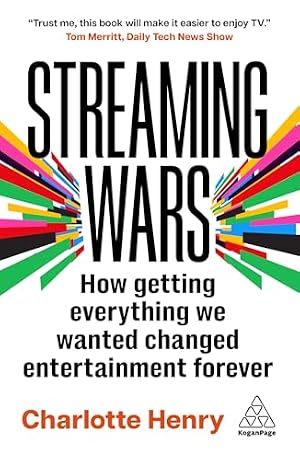
Streaming Wars
Charlotte Henry
How Getting Everything We Wanted Changed Entertainment Forever
4.3 (3)23 mins
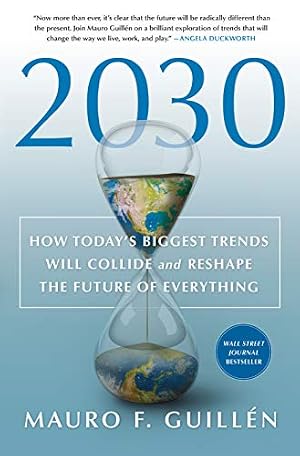
2030
Mauro F. Guillén
How Today's Biggest Trends Will Collide and Reshape the Future of Everything
4.1 (368)27 mins
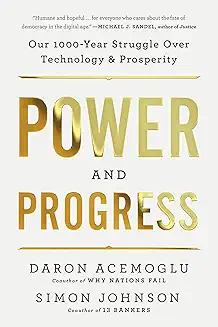
Power and Progress
Daron Acemoglu & Simon Johnson
Our Thousand-Year Struggle Over Technology and Prosperity
4.0 (389)24 mins
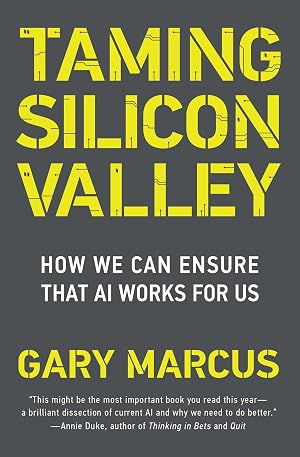
Taming Silicon Valley
Gary F. Marcus
How We Can Ensure That AI Works for Us
4.0 (11)23 mins
Too Smart
Jathan Sadowski
How Digital Capitalism Is Taking Over the World
4.0 (46)25 mins
The Technology Trap
Carl Benedikt Frey
Capital, Labor, and Power in the Age of Automation
3.9 (734)18 mins
The Age of Extraction
Tim Wu
How Tech Platforms Conquered the Economy and Threaten Our Future Prosperity
3.9 (8)25 mins