
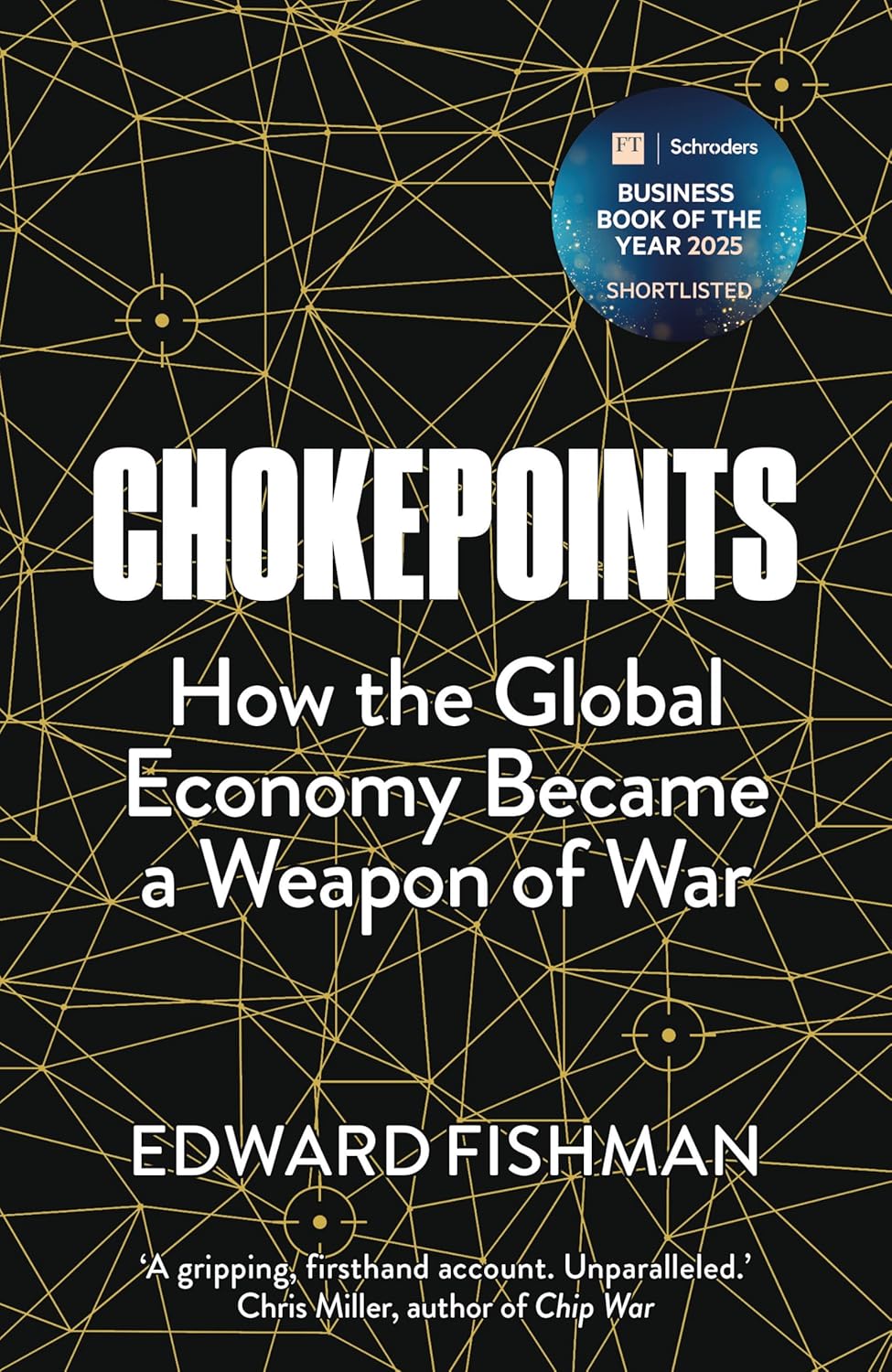
Chokepoints Summary
By Edward Fishman
How the Global Economy Became a Weapon of War
Summary preview
Power used to look like armies, ships, oil fields, and factories. It still does. But the great shift at the heart of Chokepoints is that power now also lives in the narrow passages of the global economy. It lives in the payment systems almost every bank must touch, in the semiconductor tools no advanced chipmaker can do without, in the shipping insurance that keeps oil moving, and in the digital plumbing that makes globalization work. When one country sits at those crossroads, it can do something once thought nearly impossible. It can coerce rivals without firing a shot. That is the world this book opens up. Edward Fishman tells the story of how the United States learned to turn interdependence into leverage and how sanctions, export controls, tariffs, and financial restrictions became central instruments of statecraft. What sounds technical at first becomes vivid very quickly. Behind every sanction package or export rule, there are moments of improvisation, bureaucratic fights, unintended consequences, and hard moral tradeoffs. This is not a dry tale of policy memos. It is a story about how globalization, which promised connection and prosperity, also created hidden vulnerabilities that governments can exploit. The book moves from the aftermath of September 11 to the financial pressure campaign against Iran, from the first clashes with Russia after Crimea to the economic warfare unleashed after the full scale invasion of Ukraine, and then into the intensifying contest with China over technology and industrial power. Along the way, you see how a set of tools built to target terrorists and rogue states expanded into a much broader strategy for managing rivalry in a deeply connected world. What makes the argument gripping is that it is not simply about American strength. It is also about limits. Every chokepoint can weaken over time if overused. Every sanction can generate workarounds. Every export control can push countries to build alternatives. The same system that gives Washington enormous reach can also tempt leaders into believing economic coercion is cheap, clean, and endlessly scalable. It is not. So the book asks a bigger question beneath the headlines. If the commanding heights of the twenty first century are networks rather than colonies, code rather than canals, chips rather than coal, how should power be used? And what happens when every major state starts trying to secure its own supply chains, protect its own technology, and weaponize the channels that connect us? By the end, what comes into focus is a new map of global conflict, one where the most decisive battles often happen far from any battlefield at all.
Sign up to continue reading
Get access to full book summaries, audio of the summaries, and many more.
Similar Books
Books with a similar vibe—explore more like this.

Cobalt Red
Siddharth Kara
How the Blood of the Congo Powers Our Lives
4.6 (4)22 mins
Technofeudalism
Yanis Varoufakis
What Killed Capitalism
4.5 (39)24 mins
Growth
Daniel Susskind
A History and a Reckoning
4.3 (11)23 mins
Streaming Wars
Charlotte Henry
How Getting Everything We Wanted Changed Entertainment Forever
4.3 (3)23 mins
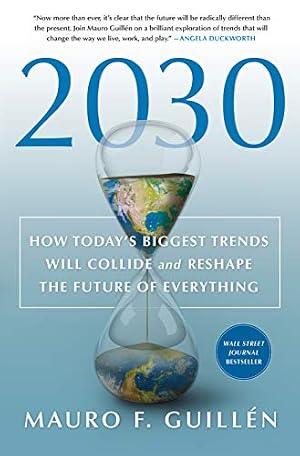
2030
Mauro F. Guillén
How Today's Biggest Trends Will Collide and Reshape the Future of Everything
4.1 (368)27 mins
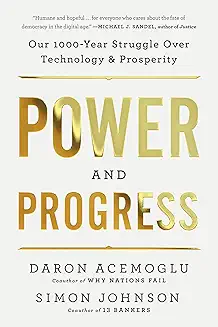
Power and Progress
Daron Acemoglu & Simon Johnson
Our Thousand-Year Struggle Over Technology and Prosperity
4.0 (389)24 mins
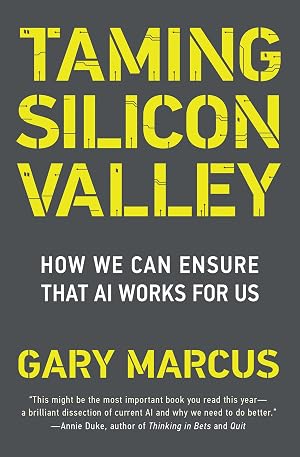
Taming Silicon Valley
Gary F. Marcus
How We Can Ensure That AI Works for Us
4.0 (11)23 mins
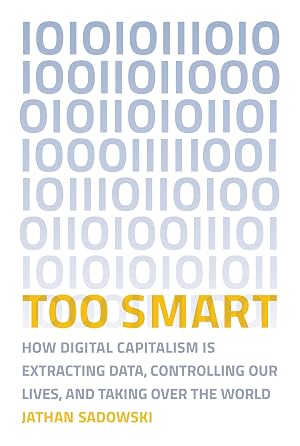
Too Smart
Jathan Sadowski
How Digital Capitalism Is Taking Over the World
4.0 (46)25 mins
The Technology Trap
Carl Benedikt Frey
Capital, Labor, and Power in the Age of Automation
3.9 (734)18 mins
The Age of Extraction
Tim Wu
How Tech Platforms Conquered the Economy and Threaten Our Future Prosperity
3.9 (8)25 mins