
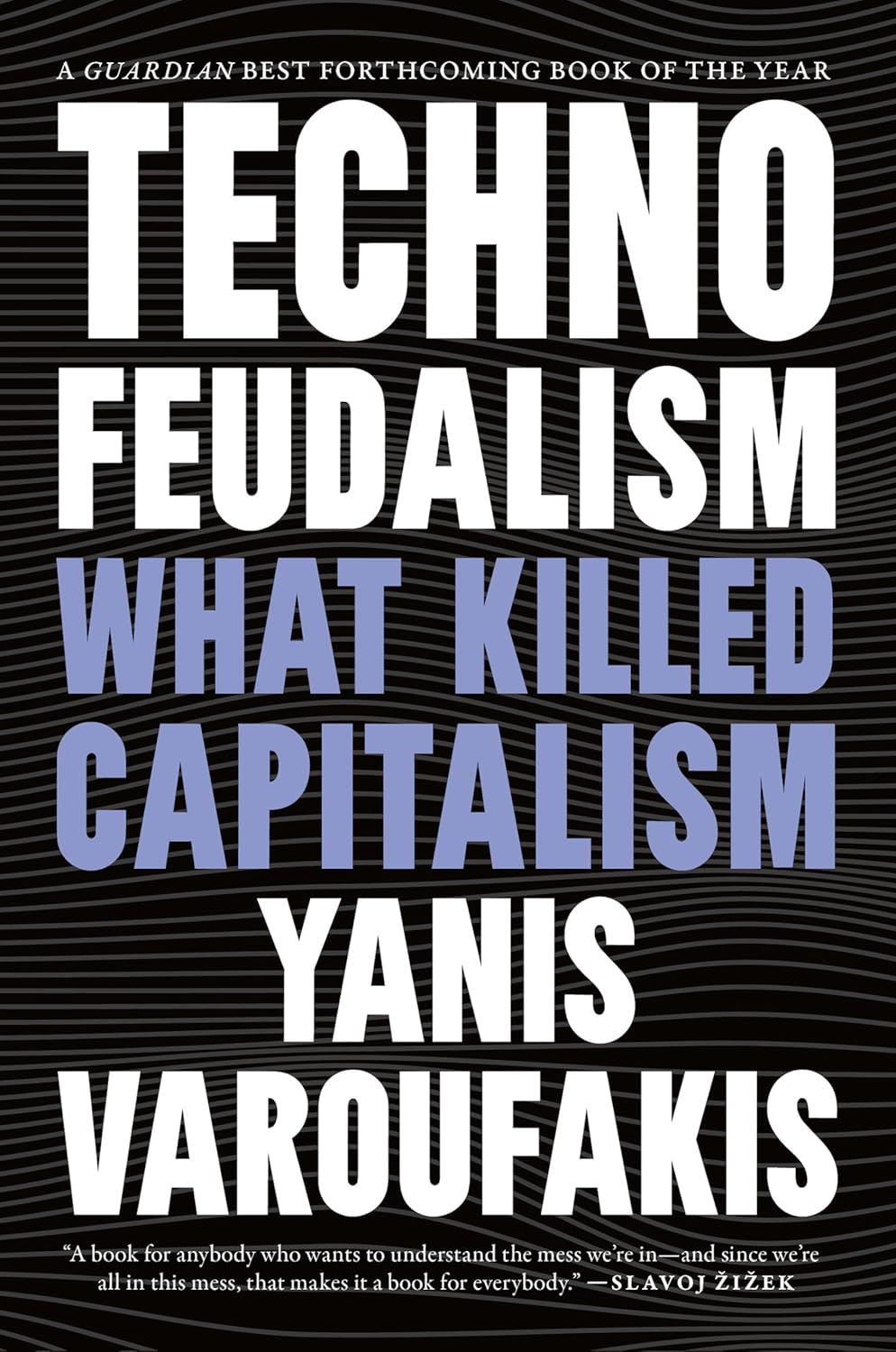
Technofeudalism Summary
By Yanis Varoufakis
What Killed Capitalism
Summary preview
What if capitalism did not simply become more unequal, more brutal, or more unstable, but actually mutated into something else? That is the provocation at the heart of Technofeudalism. The claim is not a little adjustment to our usual story. It is a challenge to the whole map we use to understand power, wealth, and daily life. We are told that we still live in capitalism, only now it is digital, financialized, and turbocharged. But Yanis Varoufakis asks us to look again. If markets are no longer the main stage on which economic life is organized, if profit is no longer the sole ruler, if giant digital platforms act less like firms competing in a market and more like private kingdoms extracting tribute from everyone who enters, then perhaps a new system has arrived under our noses. The book unfolds like a detective story about a historical transformation. It begins with capitalism in crisis, especially after the financial crash of 2008, and follows the strange rescue operation that came after. Central banks flooded the system with cheap money. Instead of restoring healthy capitalism, this vast intervention fed a new form of concentrated power. Out of the wreckage rose the cloud lords, the owners of digital platforms who do not merely sell goods or services but own the spaces in which others must live, trade, speak, work, and even desire. They build digital estates in the cloud, then charge rent to all who pass through. Sellers pay for access. Users surrender data. Workers obey algorithmic masters. Even capitalists who make physical things find themselves kneeling before platform owners. What makes this argument so gripping is that it is never only about technology. The cloud is not just software or devices. It is a new architecture of command. It shapes behavior, predicts choices, nudges action, and turns social life itself into a source of extraction. The old capitalist dream was to profit through competitive markets and wage labor. The new order still uses labor and money, of course, but it increasingly depends on something older and eerier. Rent. Dependency. Vassalage. Personal domination wrapped in sleek interfaces. The book also carries a moral and political urgency. If we misname the system, we fight shadows. If we think we can tame today’s giants with yesterday’s tools alone, we may end up decorating the bars of a digital cage. So the purpose here is not only diagnosis. It is liberation through clearer sight. By the end, you are invited to see your online shopping, your scrolling, your work apps, your subscriptions, your debts, even your little conveniences, as pieces of a larger regime that has quietly reorganized society. Once you see it, ordinary life looks different. The click is no longer innocent. The platform is no longer just useful. The future becomes a battlefield over whether these new fiefdoms will harden or be democratized.
Sign up to continue reading
Get access to full book summaries, audio of the summaries, and many more.
Similar Books
Books with a similar vibe—explore more like this.

Cobalt Red
Siddharth Kara
How the Blood of the Congo Powers Our Lives
4.6 (4)22 mins
Growth
Daniel Susskind
A History and a Reckoning
4.3 (11)23 mins
Chokepoints
Edward Fishman
How the Global Economy Became a Weapon of War
4.3 (16)22 mins
Streaming Wars
Charlotte Henry
How Getting Everything We Wanted Changed Entertainment Forever
4.3 (3)23 mins
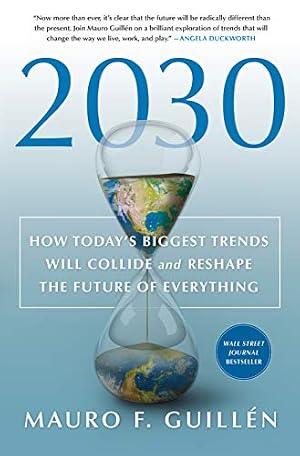
2030
Mauro F. Guillén
How Today's Biggest Trends Will Collide and Reshape the Future of Everything
4.1 (368)27 mins
Power and Progress
Daron Acemoglu & Simon Johnson
Our Thousand-Year Struggle Over Technology and Prosperity
4.0 (389)24 mins
Taming Silicon Valley
Gary F. Marcus
How We Can Ensure That AI Works for Us
4.0 (11)23 mins
Too Smart
Jathan Sadowski
How Digital Capitalism Is Taking Over the World
4.0 (46)25 mins
The Technology Trap
Carl Benedikt Frey
Capital, Labor, and Power in the Age of Automation
3.9 (734)18 mins
The Age of Extraction
Tim Wu
How Tech Platforms Conquered the Economy and Threaten Our Future Prosperity
3.9 (8)25 mins