
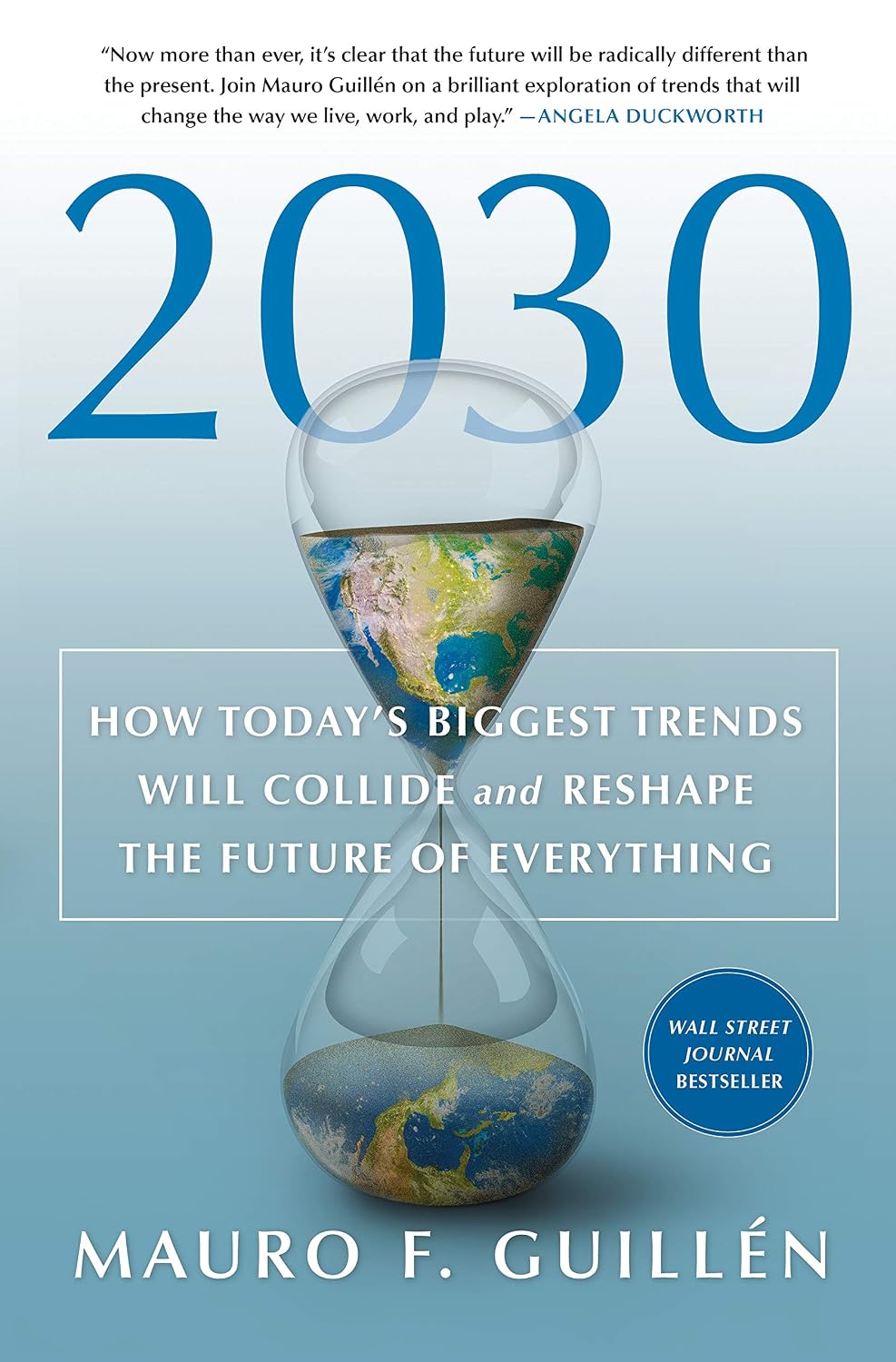
2030 Summary
By Mauro F. Guillén
How Today's Biggest Trends Will Collide and Reshape the Future of Everything
Summary preview
The future often arrives wearing the wrong clothes. We expect shiny cities, robot servants, flying cars, and a world that looks like science fiction. Then real change shows up quietly through aging parents, fewer babies, digital money, stronger women, more migrants, and cities that no longer behave like the old centers of power. That is the invitation of 2030. It asks you to stop staring at the future through old assumptions and start noticing the forces already reshaping everyday life. Mauro F. Guillén does not treat 2030 like a distant horizon. He treats it like tomorrow morning. His argument is simple but powerful. Most people, business leaders, and governments are preparing for the future by extending the patterns of the past. That is exactly why they will be caught off guard. The world of 2030 will not just be more of the same. It will be organized around reversals. Places we think of as young will become old. Groups once seen as dependent will hold more economic power. Technologies once dismissed as niche will become normal. The global map of influence will keep shifting, not neatly from one superpower to another, but across networks of cities, entrepreneurs, women, older adults, and consumers in emerging markets. The book moves through the biggest transformations already under way. Population growth is slowing and aging is advancing, but this is not only a story of decline. It is also a story of reinvention. The family is changing, with women taking center stage in education, work, and decision making. Migration is not an exception to the system. It is one of the engines of the system. Cities are becoming more important than many countries in shaping opportunity and innovation. Technology is changing finance, work, and trust itself, even as old institutions struggle to adapt. Consumption is moving toward people and places long underestimated by global business. And all of this is happening together, each trend amplifying the others. What makes the book compelling is its refusal to panic. The changes ahead are disruptive, yes, but they are also full of possibility. An aging society can be healthier, richer, and more inventive than a younger one if it adjusts wisely. A world with fewer children can become more equal for women. Migration can strengthen economies. Digital finance can widen access. New centers of demand can create a broader, less concentrated global prosperity. So the real question is not whether the future will surprise us. It will. The question is whether we can retrain our imagination. If you can let go of inherited mental maps and pay attention to the new patterns emerging in plain sight, 2030 stops looking like a threat. It starts looking like a world you can understand, and maybe even help shape.
Sign up to continue reading
Get access to full book summaries, audio of the summaries, and many more.
Similar Books
Books with a similar vibe—explore more like this.

Cobalt Red
Siddharth Kara
How the Blood of the Congo Powers Our Lives
4.6 (4) mins
Technofeudalism
Yanis Varoufakis
What Killed Capitalism
4.5 (39) mins
Novacene
James Lovelock
The Coming Age of Hyperintelligence
4.4 (554)25 mins

To Dye For
Alden Wicker
How Toxic Fashion Is Making Us Sick
4.4 (14) mins
Value(s)
Mark Carney
Building a Better World for All
4.3 (24)22 mins
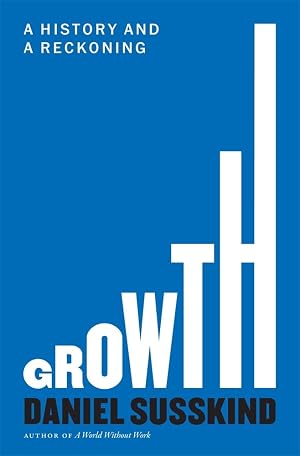
Growth
Daniel Susskind
A History and a Reckoning
4.3 (11) mins
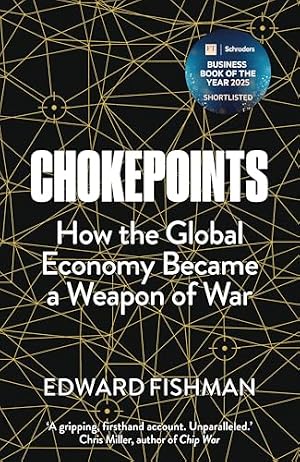
Chokepoints
Edward Fishman
How the Global Economy Became a Weapon of War
4.3 (16) mins
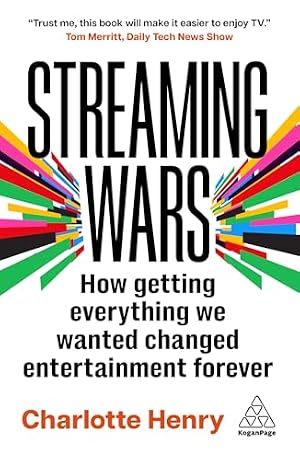
Streaming Wars
Charlotte Henry
How Getting Everything We Wanted Changed Entertainment Forever
4.3 (3)23 mins
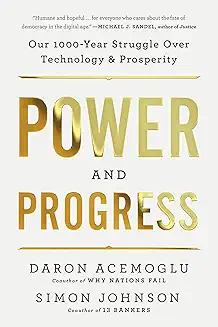
Power and Progress
Daron Acemoglu & Simon Johnson
Our Thousand-Year Struggle Over Technology and Prosperity
4.0 (389)24 mins
Taming Silicon Valley
Gary F. Marcus
How We Can Ensure That AI Works for Us
4.0 (11) mins