
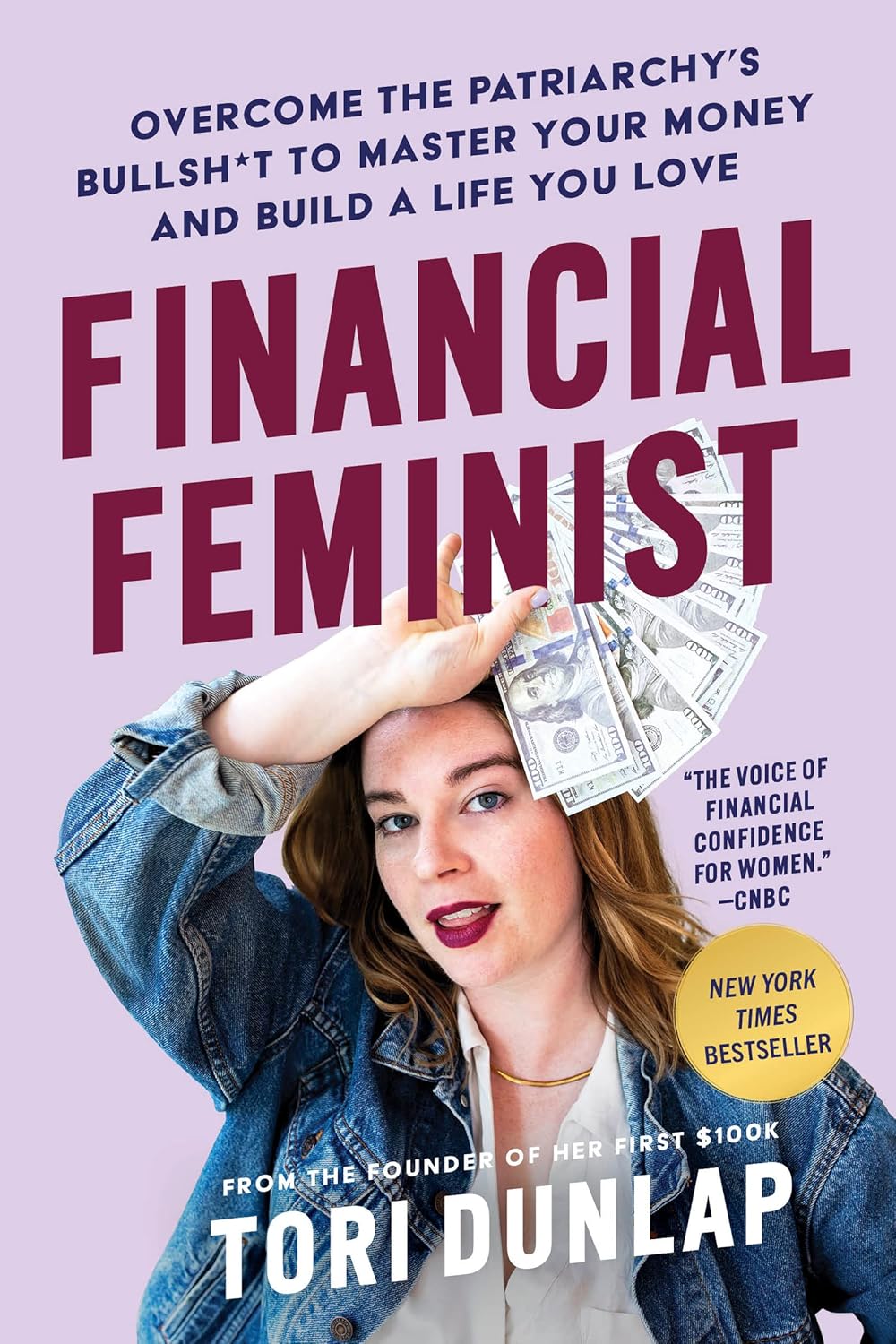
Financial Feminist Summary
By Tori Dunlap
Overcome the Patriarchy's Bullsh*t to Master Your Money and Build a Life You Love
Summary preview
Money touches almost every part of your life, but for a lot of women, it has also been wrapped in shame, confusion, fear, and silence. Financial Feminist steps right into that silence and breaks it open. The big promise of this book is simple and bold. You do not need to become a Wall Street expert, a math genius, or a joyless budget robot to feel powerful with money. You need a system that works in real life, a clearer understanding of why money feels so loaded, and permission to stop blaming yourself for problems that were never created by you alone. Tori Dunlap builds the whole book around one central truth. Personal finance is not just personal. It is political, cultural, emotional, and deeply shaped by gender. Women are often paid less, expected to care for others more, sold endless products to fix themselves, and taught that talking openly about money is tacky or selfish. Then, after all that, they are told to simply try harder. This book rejects that nonsense. It says that financial confidence is not about perfection. It is about learning the rules, seeing the rigged parts clearly, and making strategic choices that protect your freedom. That is what gives this book its energy. It is practical, yes, but it is also full of righteous anger and real compassion. It does not pretend that a color coded spreadsheet can solve discrimination, medical debt, burnout, or low wages. At the same time, it refuses hopelessness. You are invited to see money as a tool for safety, options, rest, generosity, and self respect. Financial power becomes a form of resistance. When you know how to earn, save, spend, invest, and advocate for yourself, you are harder to control. The book moves through the full money picture. It starts with the emotional side of money and the social systems that shape your beliefs. From there, it gets concrete about spending, budgeting, debt, emergency funds, credit, and investing. It also spends time on earning more, negotiating better, and understanding that your paycheck is not only about hustle, but also about value and boundaries. Along the way, there are stories from the writer’s own life and from the lives of other women, which help make each lesson feel human rather than abstract. The result is both a guide and a pep talk. It wants you to know the numbers, but it also wants you to know your worth. It teaches that being good with money is not about deprivation. It is about designing a life where your values and your bank account are no longer strangers to each other. By the end, the message is unmistakable. Financial freedom is not a luxury for a lucky few. It is a skill, a practice, and a right worth claiming.
Sign up to continue reading
Get access to full book summaries, audio of the summaries, and many more.
Similar Books
Books with a similar vibe—explore more like this.
The Big Short
Michael Lewis
Inside the Doomsday Machine
4.5 (1357)36 mins

The Land Trap
Mike Bird
A New History of the World's Oldest Asset
4.5 (15)23 mins
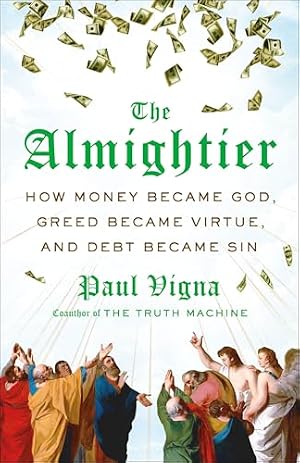
The Almightier
Paul Vigna
How Money Became God, Greed Became Virtue, and Debt Became Sin
4.5 (16)27 mins
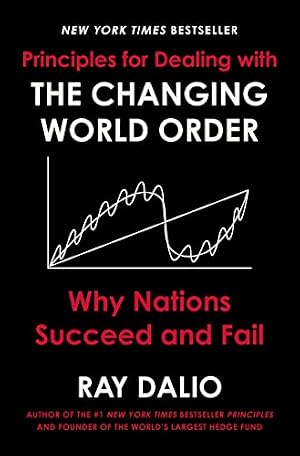
Principles For Dealing With the Changing World Order
Ray Dalio
Why Nations Succeed and Fail
4.2 (69)22 mins
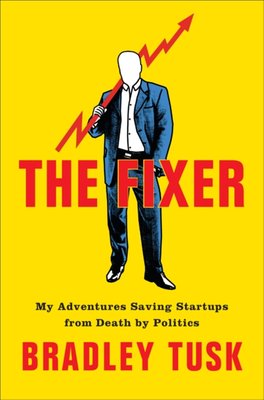
The Fixer
Bradley Tusk
Saving Startups from Death by Politics
4.8 (5)32 mins

How Music Got Free
Stephen Witt
What happens when an entire generation commits the same crime?
4.8 (8)36 mins
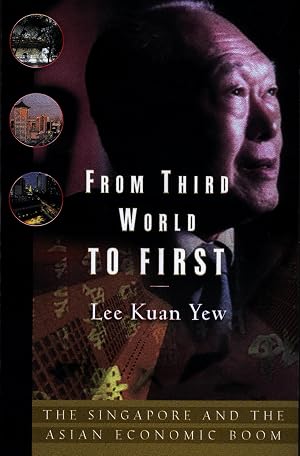
From Third World to First
Lee Kuan Yew
The Singapore Story: 1965-2000
4.7 (16)22 mins
The Bitcoin Standard
Saifedean Ammous
The Decentralized Alternative to Central Banking
4.6 (291)34 mins

Cobalt Red
Siddharth Kara
How the Blood of the Congo Powers Our Lives
4.6 (4)22 mins

A Splendid Exchange
William J. Bernstein
How Trade Shaped the World
4.6 (7)30 mins