
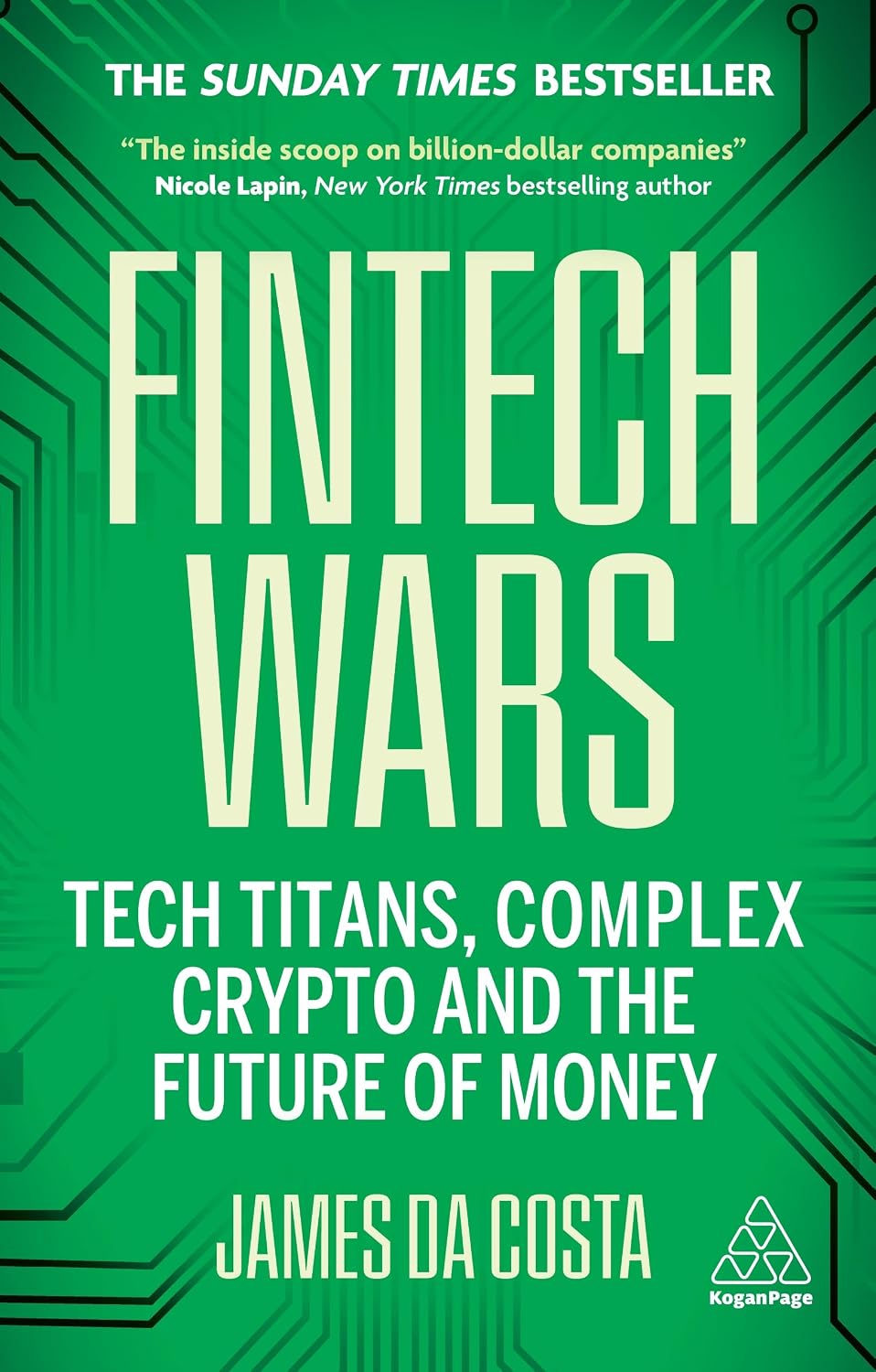
Fintech Wars Summary
By James Da Costa
Tech Titans, Chaotic Crypto and the Future of Money
Summary preview
Money used to move like a slow old machine. Big banks ran the rails, set the rules, and made you fit their systems. If you wanted to open an account, send money abroad, borrow, invest, or get paid, you stepped into a world built around institutions first and customers second. What this book does so well is pull back the curtain on what happened when that old order met a new wave of technology builders who looked at finance and asked a simple question. Why is this still so painful? That question opens the door to a much bigger story. Fintech Wars is not just about apps, startups, and shiny new products. It is about a fight over who gets to shape the future of money. On one side you have incumbent banks, massive, trusted, regulated, and deeply woven into everyday life. On the other side you have ambitious founders, venture investors, software engineers, and product thinkers who believe financial services can be rebuilt from the ground up. Standing around and between them are regulators, card networks, cloud providers, and the giant technology platforms that increasingly want a role in financial life too. James Da Costa tells this story as a contest, but not a simple one with easy heroes and villains. The interesting part is that every player has strengths and weaknesses. Banks have deposits, balance sheets, licenses, and customer trust, but they also carry legacy systems, high costs, and old habits. Startups move fast, focus sharply on user problems, and design elegant products, but they can struggle with regulation, economics, and scale. Big tech firms bring distribution and data, yet they face political scrutiny and questions about concentration of power. The war is real, but it is also messy, fluid, and full of alliances. The book walks through the key battlefields of this struggle. Payments become faster and more invisible. Lending gets sliced into smarter, more targeted experiences. Banking infrastructure turns into software. New digital banks try to unbundle the relationship customers once had with a single institution. Wealth and insurance begin their own transformations. Underneath it all, regulation, trust, and economics decide who actually wins. What makes the book compelling is that it keeps returning to a human truth. People do not care about fintech for its own sake. They care because money touches nearly every part of life. Getting paid late, being rejected for credit, paying too much to transfer funds, sitting through endless paperwork, or struggling to access basic financial tools can shape a person’s future. So when finance changes, daily life changes with it. That is the heart of the story you are stepping into here. It is a story about disruption, yes, but even more about redistribution of power. Who owns the customer relationship. Who captures the profits. Who manages the risk. And who earns the trust to become the next default place where people keep, move, borrow, and grow their money.
Sign up to continue reading
Get access to full book summaries, audio of the summaries, and many more.
Similar Books
Books with a similar vibe—explore more like this.
The Fixer
Bradley Tusk
Saving Startups from Death by Politics
4.8 (5) mins
Subscribed
Tien Tzuo with Gabe Weisert
Why the Subscription Model Will Be Your Company's Future – and What to Do About It
4.3 (32) mins

Your Life Is Manufactured
Tim Minshall
How We Make Things, Why It Matters, and How We Can Do Better
4.2 (16)23 mins
Cloudmoney
Brett Scott
Cash, Cards, Crypto, and the War for Our Wallets
4.2 (108) mins

Tokens
Rachel O'Dwyer
The Future of Money in the Age of the Platform
3.6 (158)21 mins
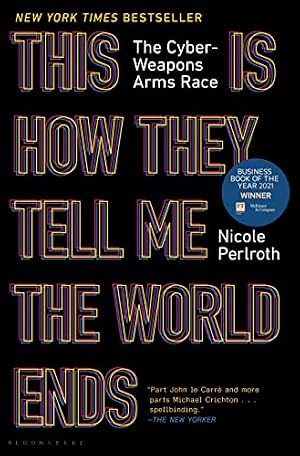
This Is How They Tell Me the World Ends
Nicole Perlroth
The Cyberweapons Arms Race
4.8 (64)33 mins
Zero to One
Peter Thiel with Blake Masters
Notes on Startups, or How to Build The Future
4.6 (1405)45 mins
The Bitcoin Standard
Saifedean Ammous
The Decentralized Alternative to Central Banking
4.6 (291)34 mins
New to Big
David Kidder, Christina Wallace
How Companies Can Create Like Entrepreneurs, Invest Like VCs, and Install a Permanent Operating System for Growth
4.6 (683)31 mins

Cobalt Red
Siddharth Kara
How the Blood of the Congo Powers Our Lives
4.6 (4) mins