
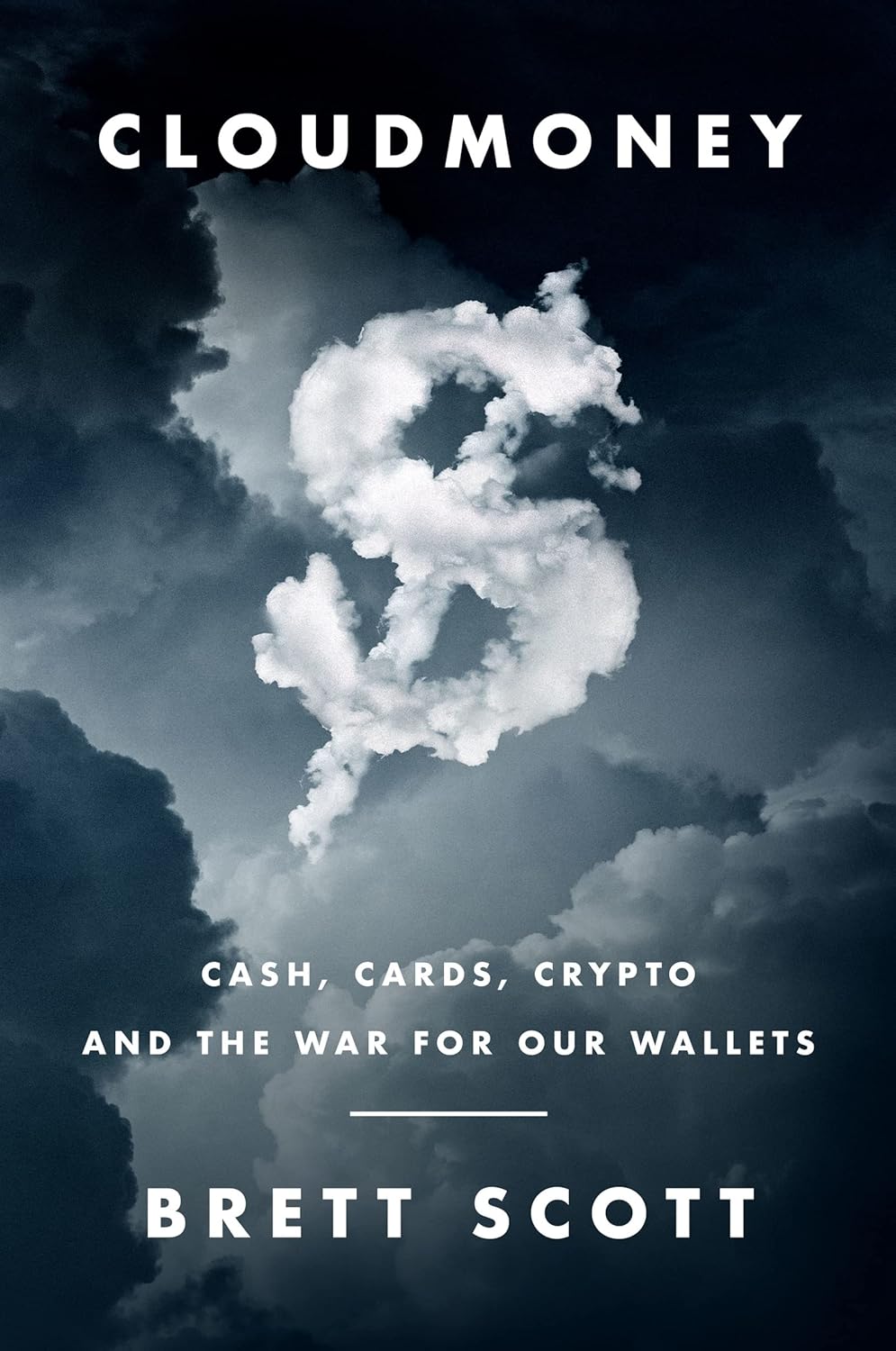
Cloudmoney Summary
By Brett Scott
Cash, Cards, Crypto, and the War for Our Wallets
Summary preview
Money often feels invisible until someone tries to take away the form of it you rely on. That is the doorway into Cloudmoney, where Brett Scott invites you to look again at something so ordinary that most people barely notice it. A tap of a card, a phone beep at a checkout, an app that tells you your spending history, a platform that promises ease and speed. These feel like small conveniences. The book asks you to see them as part of a much bigger shift, one that changes not only how we pay, but how power moves through society. At first glance, the move away from cash can seem natural, even inevitable. Digital payments appear cleaner, faster, safer, and more modern. Politicians praise them. Banks push them. Technology companies wrap them in the language of innovation and inclusion. During moments of crisis, such as the pandemic, the pressure grows stronger. Cash gets painted as dirty, old fashioned, even suspicious. The world of apps, cards, and platforms gets sold as progress itself. What this book does so well is slow that story down. It asks who benefits from a cashless future, who gets excluded, and what kinds of control become possible when every payment becomes data. This is not a nostalgic defense of banknotes for their own sake. It is a deeper argument about freedom, infrastructure, and the politics hidden inside everyday systems. Cash is shown not merely as paper and coins, but as a public utility, a shared tool that lets people transact without needing permission from a bank, a platform, or a telecommunications network. When you hold cash, you hold a payment instrument directly. When you rely on digital systems, you enter a chain of intermediaries who can monitor, charge, nudge, exclude, or simply fail. The journey moves through city streets, market stalls, corporate boardrooms, activist circles, and policy debates. Along the way, you meet card companies, fintech evangelists, governments, street vendors, migrants, the poor, the elderly, and people who live on the thin edge of financial systems. You also encounter the seductive myths that surround digital money. One of the book’s strongest insights is that convenience can disguise dependency. What feels effortless can quietly make you more legible to institutions and more vulnerable to the systems you do not control. Cloudmoney is really about the struggle over who gets to shape the future of money. It is lively, sharp, and often funny, but beneath the wit sits a serious warning. If we let private payment systems become the basic rails of everyday life, we may wake up to find that buying a coffee, giving a friend money, or helping a stranger has become conditional on corporate approval. The book asks you not to reject technology, but to become more politically awake to it.
Sign up to continue reading
Get access to full book summaries, audio of the summaries, and many more.
Similar Books
Books with a similar vibe—explore more like this.
Fintech Wars
James Da Costa
Tech Titans, Chaotic Crypto and the Future of Money
3.9 (13)25 mins

Tokens
Rachel O'Dwyer
The Future of Money in the Age of the Platform
3.6 (158)21 mins
This Is How They Tell Me the World Ends
Nicole Perlroth
The Cyberweapons Arms Race
4.8 (64)33 mins
The Fixer
Bradley Tusk
Saving Startups from Death by Politics
4.8 (5)32 mins
The Bitcoin Standard
Saifedean Ammous
The Decentralized Alternative to Central Banking
4.6 (291)34 mins

Cobalt Red
Siddharth Kara
How the Blood of the Congo Powers Our Lives
4.6 (4)22 mins
The Big Short
Michael Lewis
Inside the Doomsday Machine
4.5 (1357)36 mins
Money: Master the Game
Tony Robbins
7 Simple Steps to Financial Freedom
4.5 (1785)30 mins
Blockchain Revolution
Don Tapscott & Alex Tapscott
How the Technology Behind Bitcoin Is Changing Money, Business and the World
4.5 (483)26 mins
Richer, Wiser, Happier
William Green
How the World's Greatest Investors Win in Markets and Life
4.5 (567)38 mins