
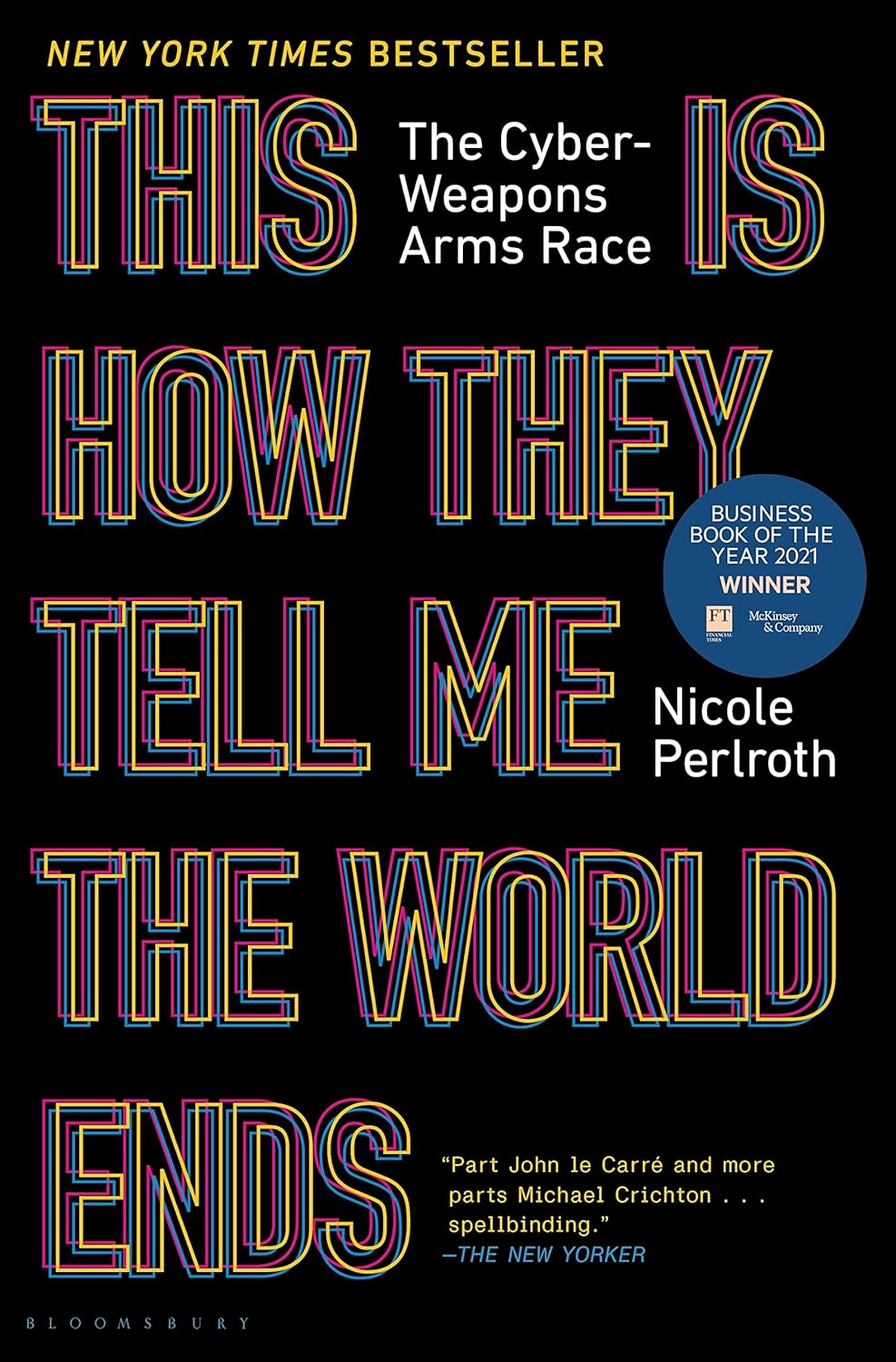
This Is How They Tell Me the World Ends Summary
By Nicole Perlroth
The Cyberweapons Arms Race
Summary preview
The world you live in runs on software. Your phone, your car, your power grid, your hospital, your water supply, your bank, your election system, your military. We built a civilization on code, then scattered that code across the planet, stitched every machine to every network, and told ourselves this was progress. It was. It is. But there was always a catch. Every piece of software has flaws. Some are harmless. Some are annoying. And some are secret trapdoors into the systems that keep modern life standing. This Is How They Tell Me the World Ends is about those trapdoors, about who finds them, who sells them, who hoards them, and what happens when they fall into the wrong hands, or the right hands, depending on who is telling the story. Nicole Perlroth takes you into a hidden market most people never see, a market where unknown software flaws, called zero days, are bought and sold like contraband and treated like strategic weapons. The book argues that the digital age did not just create new conveniences. It created a global arms race, one fought in silence, in code, and often in the dark. What makes this story so unsettling is that it is not really about futuristic threats. It is about choices already made. Governments discovered they could use software vulnerabilities to spy, sabotage, and gain military advantage. Private brokers realized they could make fortunes connecting hackers with intelligence agencies. Tech companies, often outmatched and outpaced, struggled to patch one hole while ten more opened behind it. Ordinary citizens were left inside systems they did not build and could not defend. The book moves across decades and continents, from early hacker culture to Washington war rooms, from elite intelligence units in Israel and Russia to contractors in the Gulf, from American agencies stockpiling digital weapons to ransomware crews shutting down real world infrastructure. Along the way, it introduces an unforgettable cast of bug hunters, spies, middlemen, dissidents, security researchers, and officials who all understood, in their own way, that software flaws had become power. At heart, this is a story about imbalance. Offensive cyber power became easier to fund, easier to hide, and often more politically tempting than defense. It was cheaper to keep vulnerabilities secret than to fix the systems that depended on them. It was easier to promise security than to build it. The result is a world where the same exploit that helps one government infiltrate a terrorist phone can later help criminals lock a hospital or sabotage a pipeline. The warning running through these pages is simple and chilling. We are all standing inside an invisible battlefield. The code beneath everyday life has become both the target and the weapon. Once you see that clearly, you cannot unsee it.
Sign up to continue reading
Get access to full book summaries, audio of the summaries, and many more.
Similar Books
Books with a similar vibe—explore more like this.

Cobalt Red
Siddharth Kara
How the Blood of the Congo Powers Our Lives
4.6 (4) mins

Blockchain Revolution
Don Tapscott & Alex Tapscott
How the Technology Behind Bitcoin Is Changing Money, Business and the World
4.5 (483)26 mins

Technofeudalism
Yanis Varoufakis
What Killed Capitalism
4.5 (39) mins
AI Superpowers
Kai-Fu Lee
China, Silicon Valley, and the New World Order
4.4 (982)31 mins
Weapons of Math Destruction
Cathy O'Neil
How Big Data Increases Inequality and Threatens Democracy
4.3 (1617)20 mins
A World Without Work
Daniel Susskind
Technology, Automation, and How We Should Respond
4.3 (32)25 mins
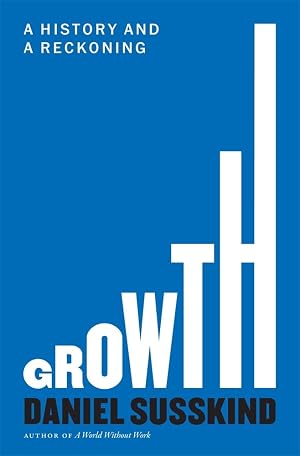
Growth
Daniel Susskind
A History and a Reckoning
4.3 (11) mins

Chokepoints
Edward Fishman
How the Global Economy Became a Weapon of War
4.3 (16) mins

Subscribed
Tien Tzuo with Gabe Weisert
Why the Subscription Model Will Be Your Company's Future – and What to Do About It
4.3 (32) mins

Streaming Wars
Charlotte Henry
How Getting Everything We Wanted Changed Entertainment Forever
4.3 (3)23 mins