
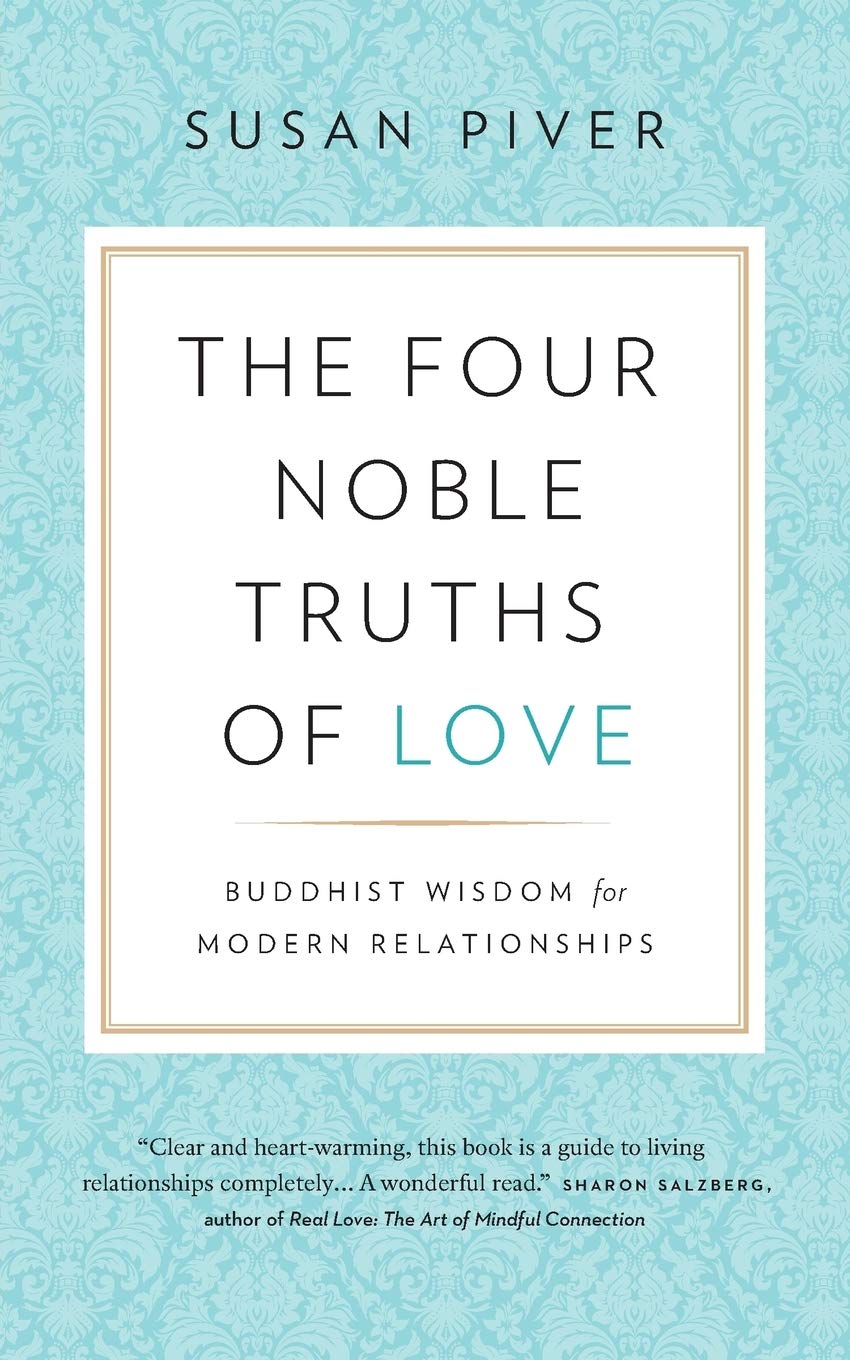
The Four Noble Truths of Love Summary
By Susan Piver
Buddhist Wisdom for Modern Relationships
Summary preview
Love feels like the answer to almost everything. It promises warmth, belonging, delight, and the sweet relief of being truly seen. Yet the same love that opens us can also unsettle us. It can expose our neediness, our fear, our habits of clinging, and all the ways we try to turn another person into a shelter from uncertainty. That tension sits at the heart of The Four Noble Truths of Love. Susan Piver takes the ancient Buddhist teaching of the four noble truths and brings it into the intimate world of romance, partnership, heartbreak, longing, sex, commitment, and everyday tenderness. What emerges is not a set of dating tips or rules for a perfect relationship. It is a way of understanding why love so often hurts, why that hurt is not a sign that something has gone wrong, and how the mess of relationship can become a path of awakening. The book begins with a clear recognition that when we fall in love, we often expect to be completed. We hope another person will calm our restlessness and make us feel secure once and for all. But relationships do not work that way. They are alive, changing, and full of mystery. They stir up joy and confusion in equal measure. Rather than treating this instability as a failure, the book invites you to see it as the very nature of love. You do not suffer in relationship because you are doing it badly. You suffer because you are human, because you care, and because anything precious is vulnerable. Using the framework of the Buddha’s first teachings, the book explores four simple but radical insights. First, there is suffering in love. Second, this suffering has causes, especially grasping, fantasy, and the wish to make uncertain things stay fixed. Third, suffering can end, not because love becomes neat and painless, but because your relationship to your experience changes. And fourth, there is a path, a practical way to bring mindfulness, honesty, and compassion into the heart of connection. What gives the book its special energy is the way these ideas are woven with lived experience. The writing moves easily between meditation wisdom and the raw facts of ordinary intimacy. It speaks to the giddy rush of attraction, the ache of jealousy, the panic of conflict, the loneliness that can appear even when someone is lying beside you, and the strange miracle of being loved without guarantees. The invitation is both gentle and demanding. Stop using love to escape yourself. Start using love to meet yourself, and another person, more truthfully. By the time you move through these pages, you are asked to let go of the fantasy that love should protect you from pain. In its place comes something braver and more alive. Love becomes not a hiding place but a practice. Not a promise of certainty but a willingness to remain present in the middle of change.
Sign up to continue reading
Get access to full book summaries, audio of the summaries, and many more.
Similar Books
Books with a similar vibe—explore more like this.
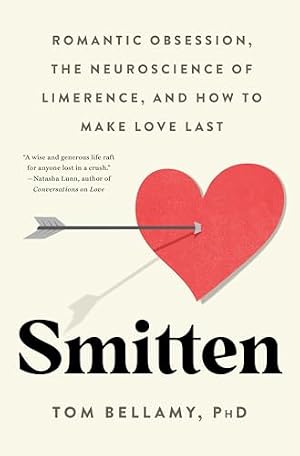
Smitten
Tom Bellamy
Romantic Obsession, the Neuroscience of Limerence, and How to Make Love Last
5.0 (4)24 mins

The Little Prince
Antoine de Saint-Exupéry
A Tale About the Human Condition and the Search for Happiness
4.9 (36)22 mins
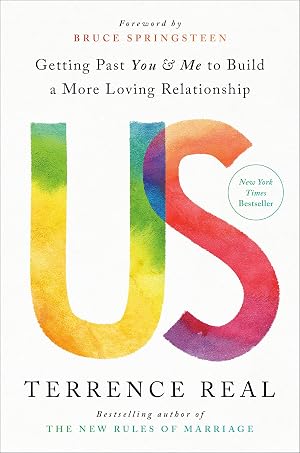
Us
Terrence Real
Getting Past You and Me to Build a More Loving Relationship
4.8 (140)20 mins
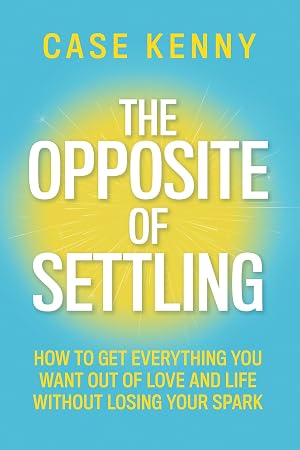
The Opposite of Settling
Case Kenny
Get What You Want in Love and Life, Without Losing Your Spark
4.8 (13)25 mins

Romeo and Juliet
William Shakespeare
The Tragic Story of Two Star-Crossed Lovers From Feuding Families
4.8 (20)26 mins
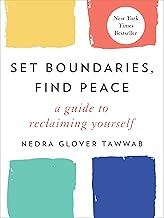
Set Boundaries, Find Peace
Nedra Glover Tawwab
A Guide to Reclaiming Yourself
4.7 (819)27 mins

The 5 Love Languages
Gary Chapman
The Secret to Love That Lasts
4.7 (4182)35 mins

The School of Life
Alain de Botton and The School of Life
An Emotional Education
4.7 (183)33 mins
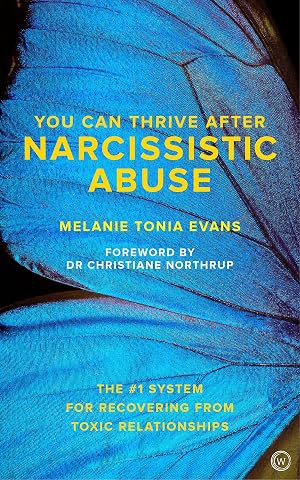
You Can Thrive After Narcissistic Abuse
Melanie Tonia Evans
The #1 System for Recovering from Toxic Relationships
4.7 (35)22 mins
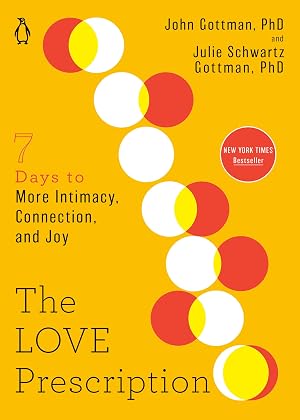
The Love Prescription
John Gottman & Julie Schwartz Gottman
Seven Days to More Intimacy, Connection, and Joy
4.7 (94)23 mins