
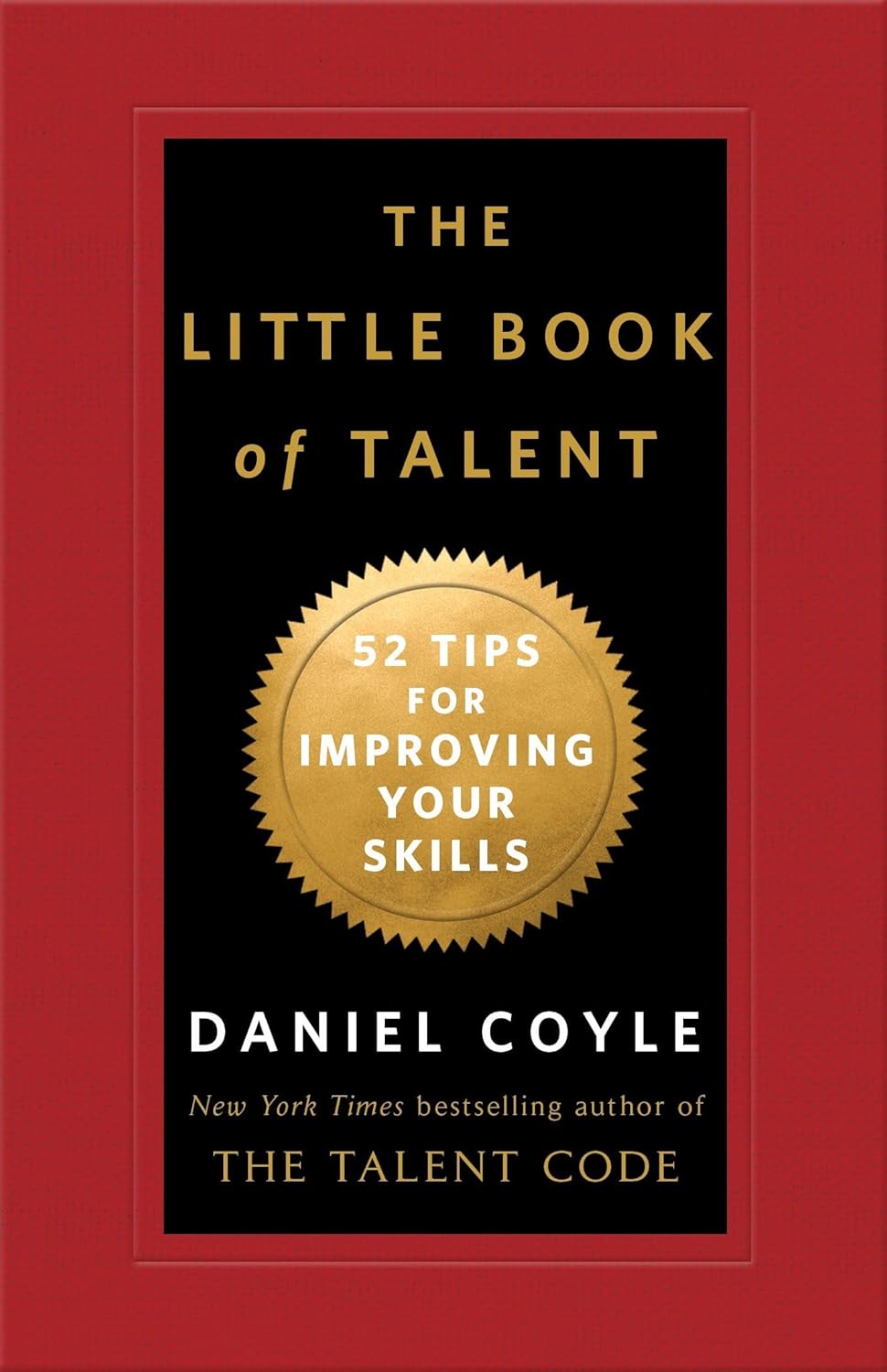
The Little Book of Talent Summary
By Daniel Coyle
52 Tips for Improving Your Skills
Summary preview
Talent looks mysterious from far away. We see a great musician, a brilliant athlete, a skilled teacher, a fearless business leader, and we tell ourselves a familiar story. They were born with something special. They have the gift. But The Little Book of Talent asks you to step closer and look again. When you do, the mystery begins to clear. What looks like magic is usually a set of habits. What looks like a gift is often a process. And what looks impossible is often built through small, smart actions repeated over time. That is the heartbeat of this book. It is a field guide to getting better. Not in a dreamy, vague way, but in a practical, hands on, try this today kind of way. Daniel Coyle gathered lessons from places that consistently produce excellence, places where ordinary people become remarkably good at difficult things. He went looking for what actually works. He did not come back with grand theories or heroic speeches. He came back with short, punchy ideas you can use. Ideas about how to practice, how to ignite motivation, how to find the right teachers, and how to build the kind of environment where skill grows strong. The book rests on a simple model. Talent grows from three forces working together. First comes deep practice, the kind of practice where you stretch beyond what feels easy, make mistakes, notice them, fix them, and repeat. Next comes ignition, the spark that makes you care enough to do the hard work. This is the fuel. It is the reason you keep showing up. Then comes master coaching, guidance from someone who can see what you cannot yet see and help you improve in the right way. Put these three together and skill stops being a mystery and starts becoming a craft. What makes the book so inviting is its tone. It talks to you like a trusted coach leaning over the fence, sharing a handful of secrets. The advice is short, lively, and direct. Much of it sounds almost too simple. Slow down. Break it into chunks. Reach. Steal without apology. Pick a fight. Be willing to be stupid. But that is part of the power. Big improvement often comes from small shifts in attention and behavior. So what follows is not a grand philosophy of talent. It is something more useful. It is a compact manual for anyone who wants to improve at anything that matters. Whether you want to sing, write, sell, teach, code, play, lead, or learn, the message is reassuring and demanding at the same time. You can get better than you think. But you will need to practice differently, care deeply, and seek guidance wisely. Skill is not a lucky accident. It is built, piece by piece, choice by choice, with methods that anyone can learn.
Sign up to continue reading
Get access to full book summaries, audio of the summaries, and many more.
Similar Books
Books with a similar vibe—explore more like this.
Ultralearning
Scott H. Young
Accelerate Your Career, Master Hard Tasks and Outsmart the Competition
4.6 (328)35 mins
Bounce
Matthew Syed
The Myth of Talent and the Power of Practice
4.5 (983)30 mins
AQ
Liz Tran
A New Kind of Intelligence for a World That's Always Changing
4.5 (17)24 mins
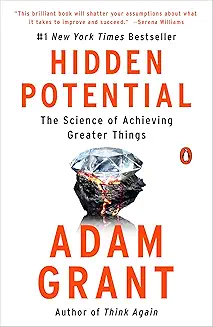
Hidden Potential
Adam Grant
The Science of Achieving Greater Things
4.4 (728)23 mins
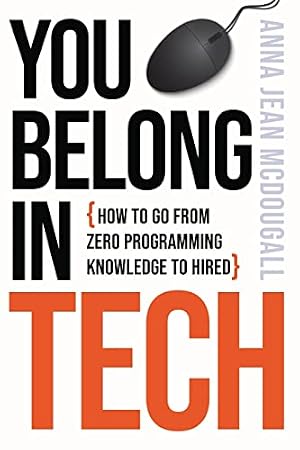
You Belong In Tech
Anna Jean McDougall
How to Go From Zero Programming Knowledge to Hired
4.3 (6)24 mins
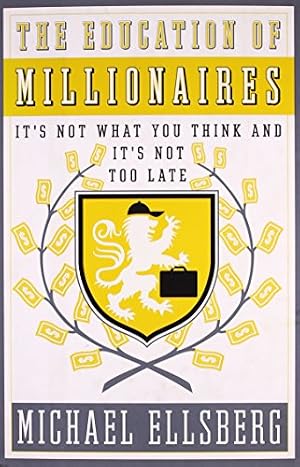
The Education of Millionaires
Michael Ellsberg
Everything You Won't Learn in College About How to Be Successful
4.2 (68)19 mins
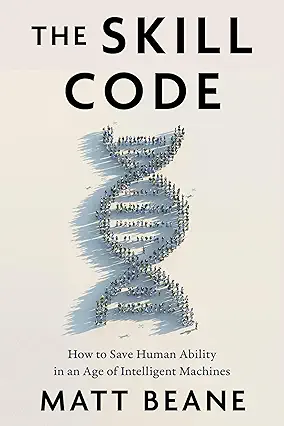
The Skill Code
Matt Beane
How to Save Human Ability in an Age of Intelligent Machines
3.8 (321)22 mins
What I Wish I Knew When I Was 20
Tina Seelig
A Crash Course on Making Your Place in the World
3.0 (6)21 mins
Surrender to Lead
Jessica Kriegel, Joe Terry
The Counterintuitive Approach to Driving Extraordinary Results
4.9 (7)21 mins

Girl Code
Cara Alwill Leyba
Secrets to Sanity and Success for the Female Entrepreneur
4.9 (4)21 mins