
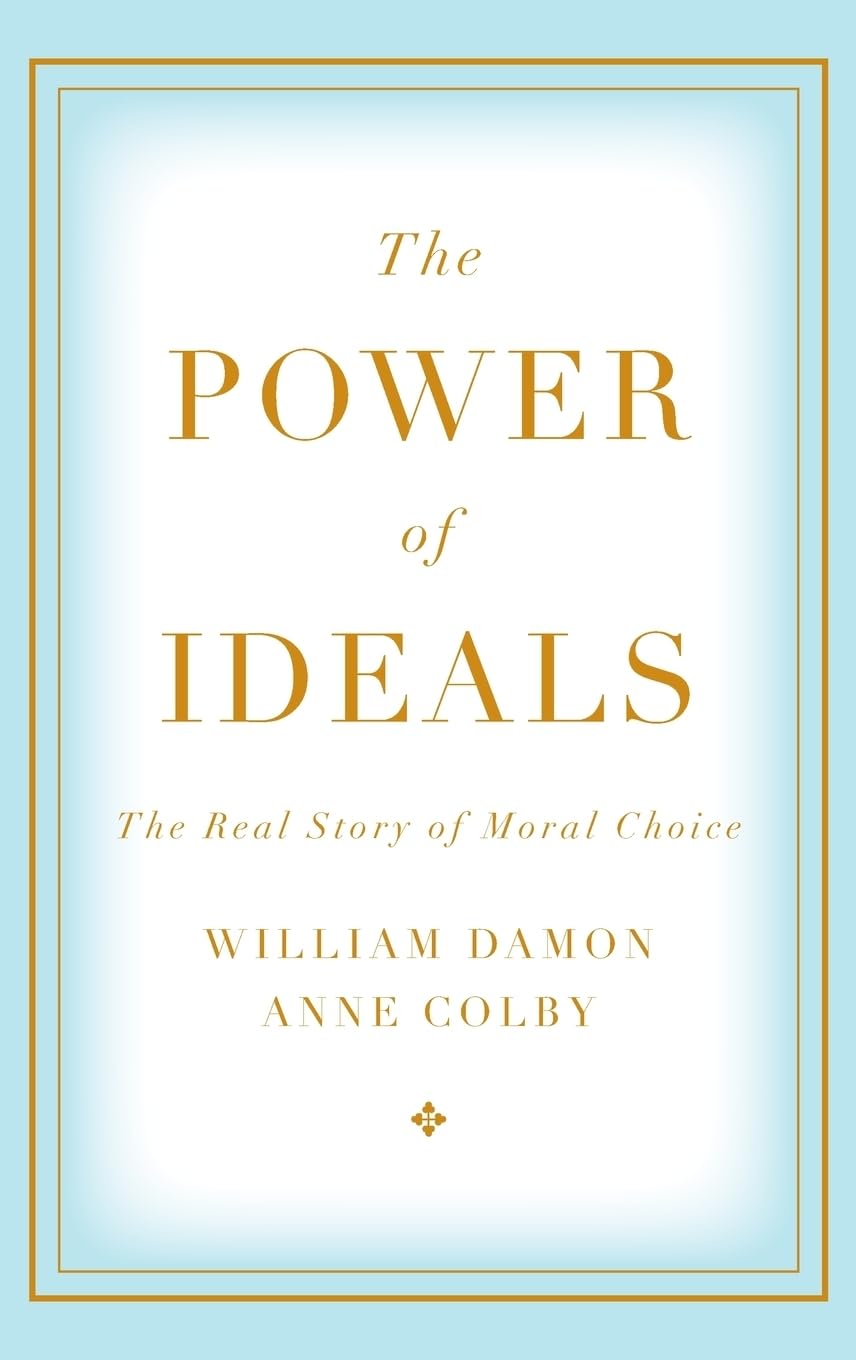
The Power of Ideals Summary
By William Damon and Anne Colby
The Real Story of Moral Choice
Summary preview
Why do some people give their lives shape through ideals while others drift from one immediate desire to the next? That is the living question at the heart of this book. William Damon and Anne Colby invite you to look closely at men and women who did not merely hold opinions or private preferences, but organized their whole lives around moral purpose. They want you to see ideals not as old fashioned ornaments, not as slogans for speeches, and not as impossible standards meant to make ordinary people feel small. They present ideals as practical forces. Ideals can guide attention, steady courage, deepen love, and make a life cohere. The book grows out of a simple but powerful observation. In modern life, people often talk a great deal about success, happiness, freedom, and self expression, yet they speak less often about obligation, service, or devotion to a cause beyond the self. Many young people are taught to keep options open, protect themselves from disappointment, and avoid strong commitments until they are completely certain. But a life without commitment can become thin. It can leave a person busy, informed, entertained, and still inwardly unanchored. The authors ask what is lost when ideals fade, and what becomes possible when they return. To answer that question, they turn to lives. They study exemplary moral leaders, people whose actions reveal the power of conviction over time. These are not saints in stained glass. They are human beings with tempers, doubts, blind spots, and struggles. Yet they possess something rare and precious. They know what they stand for. They have found purposes that connect personal identity with the needs of the world. Their lives show that moral commitment is not a matter of rigid perfection. It is a disciplined, creative, often joyful effort to bring values into action. As you move through the book, you are asked to reconsider many common assumptions. The self does not flourish best when sealed off from duty. Freedom is not weakened by commitment but often made stronger by it. Moral passion is not the enemy of thoughtfulness. On the contrary, the strongest ideals are tested, refined, and embodied through experience. The authors also challenge the idea that exemplary lives are too distant from ordinary life to teach us anything. They argue that these lives matter precisely because they reveal capacities present, at least in seed form, in many people. The result is a book about character, purpose, and the moral imagination. It asks how ideals are formed, how they survive pressure, how communities can nurture them, and why society depends on people who refuse to reduce life to private gain. By the end, you feel that ideals are not a luxury for heroes. They are among the deepest sources of meaning available to any person willing to let principle become practice.
Sign up to continue reading
Get access to full book summaries, audio of the summaries, and many more.
Similar Books
Books with a similar vibe—explore more like this.
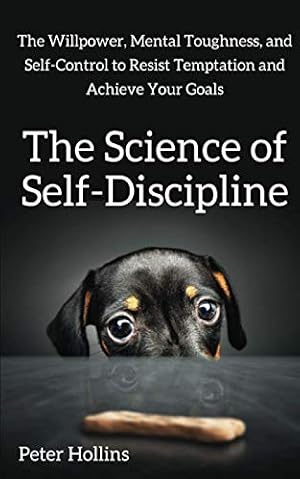
The Science of Self-Discipline
Peter Hollins
Resist Temptation and Achieve Your Goals
4.7 (71)20 mins
The Let Them Theory
Mel Robbins
A Life-Changing Tool That People Can't Stop Talking About
4.6 (2094)27 mins
The Hero With a Thousand Faces
Joseph Campbell
Understanding the Hero’s Journey Through Psychology and Mythology
4.6 (473)20 mins
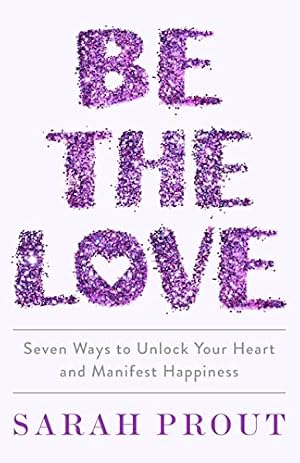
Be the Love
Sarah Prout
Seven Ways to Unlock Your Heart and Manifest Happiness
4.6 (89)25 mins
Breaking The Habit of Being Yourself
Joe Dispenza
How to Lose Your Mind and Create a New One
4.5 (415)23 mins
Not Nice
Aziz Gazipura
Stop People Pleasing, Staying Silent, & Feeling Guilt and Start Speaking Up, Saying No, Asking Boldly, and Unapologetically Being Yourself
4.5 (414)29 mins
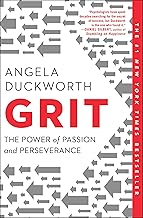
Grit
Angela Duckworth
The Power of Passion and Perseverance
4.5 (1938)32 mins
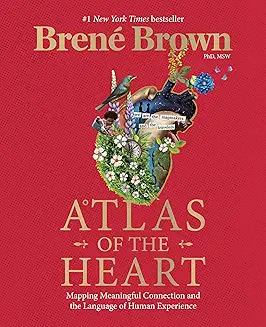
Atlas of the Heart
Brené Brown
Mapping Meaningful Connection and the Language of Human Experience
4.5 (1028)31 mins
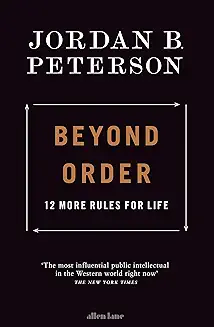
Beyond Order
Jordan B. Peterson
12 More Rules for Life
4.5 (1283)31 mins
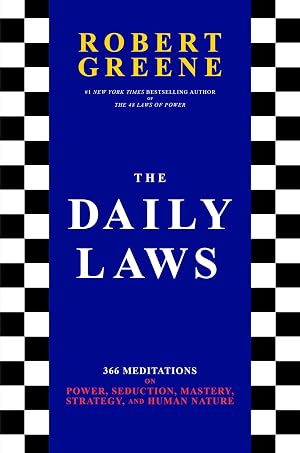
The Daily Laws
Robert Greene
366 Meditations on Power, Seduction, Mastery, Strategy, and Human Nature
4.5 (181)34 mins