
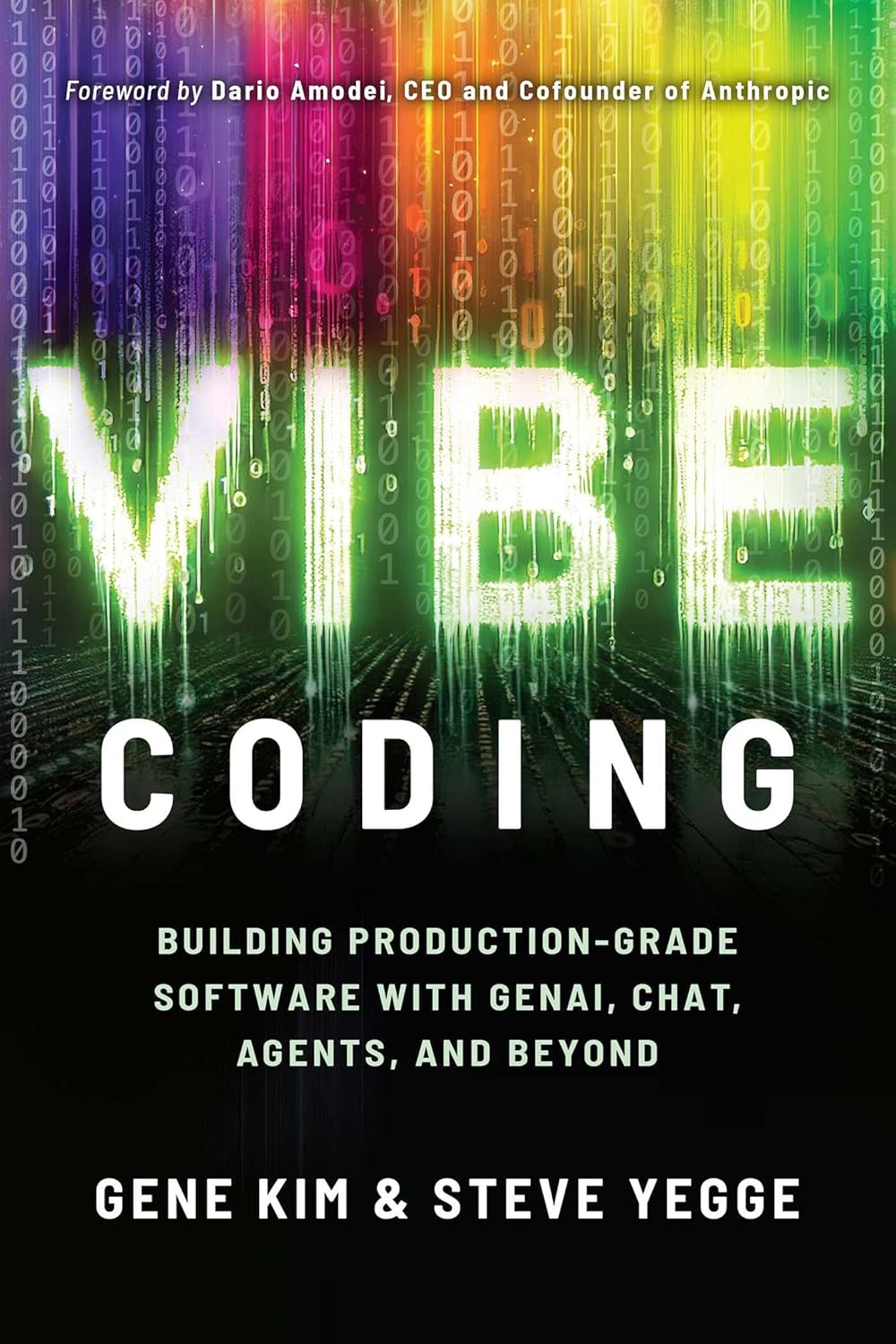
Vibe Coding Summary
By Steve Yegge & Gene Kim
Building Software With GenAI, Chat, Agents, and Beyond
Summary preview
There is a certain kind of magic in this book, and it starts with a simple feeling. You sit down with an idea in your head, maybe fuzzy, maybe half formed, and instead of staring at a blank editor or drowning in framework docs, you begin to talk. You describe what you want. You sketch the vibe. You point at the shape of the thing. Then software starts taking form at a speed that feels almost unfair. That is the pulse running through Vibe Coding by Steve Yegge & Gene Kim. It is not just a book about tools. It is a book about a deep shift in how software gets made, who gets to make it, and what kinds of habits will help you stay sane while the ground is moving under your feet. The core idea is easy to say and hard to fully absorb at first. Programming is changing from a craft where every detail must be written out by hand into a collaboration where human intent and machine generation mix together. The old world rewarded memorization, syntax fluency, and patient assembly. The new world still values clear thinking and technical judgment, but now it asks for something more like direction, taste, interrogation, and orchestration. You are no longer only typing code. You are shaping conversations with systems that can produce vast amounts of it. Sometimes that feels thrilling. Sometimes it feels scary. Often it feels both at once. What makes the book lively is that it does not treat this shift like a tidy trend report. It treats it like a lived experience. You can feel the excitement of suddenly building things in hours that used to take weeks. You can also feel the danger of accepting plausible nonsense, the seduction of speed without understanding, and the chaos that appears when generated systems pile up faster than anyone can reason about them. The book keeps coming back to a practical question. If this is the future, how do you work well inside it without fooling yourself? That is why the story here is not simply about AI writing code. It is about learning a new posture toward building. You have to learn when to trust, when to verify, when to explore, and when to slow down. You have to think about architecture, testing, maintainability, and team coordination in a landscape where production can outpace comprehension. You also have to rethink identity. If software becomes more accessible, then expertise does not disappear, but it changes shape. So the book becomes a guide for crossing that bridge. It names the strange new powers on the table, but it also names the traps. It invites beginners in without pretending the work is easy. It challenges seasoned engineers without worshipping the old ways. Most of all, it argues that the future belongs to people who can pair imagination with discipline, curiosity with skepticism, and speed with responsibility.
Sign up to continue reading
Get access to full book summaries, audio of the summaries, and many more.
Similar Books
Books with a similar vibe—explore more like this.
Next Play
Alan Stein Jr.
Improve Team Performance, Productivity, and Fulfillment
4.9 (34)26 mins
Goals!
Brian Tracy
How to Get Everything You Want – Faster Than You Ever Thought Possible
4.8 (929)29 mins
The 7 Habits of Highly Effective People
Stephen R. Covey
Powerful Lessons in Personal Change
4.7 (2172)35 mins
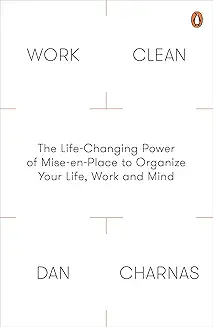
Work Clean
Dan Charnas
The life-changing power of mise-en-place to organize your life, work, and mind
4.6 (368)23 mins
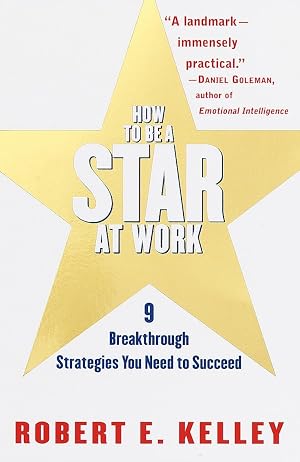
How to Be a Star at Work
Robert E. Kelley
9 Breakthrough Strategies You Need to Succeed
4.6 (34)28 mins
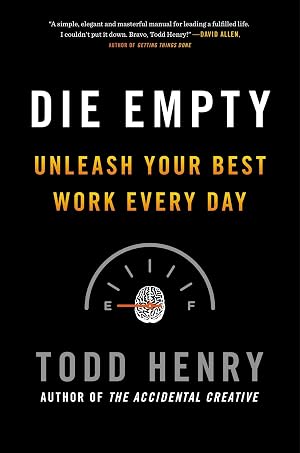
Die Empty
Todd Henry
Unleash Your Best Work Every Day
4.6 (40)22 mins
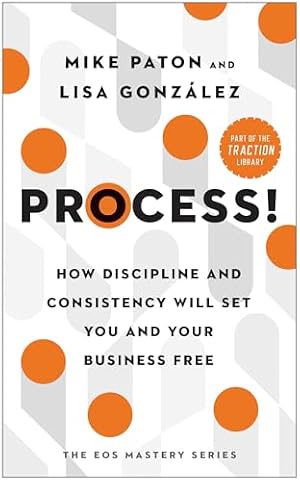
Process!
Mike Paton, Lisa González
How Discipline and Consistency Will Set You and Your Business Free
4.6 (5)23 mins
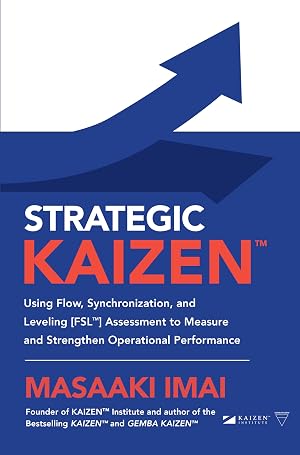
Strategic Kaizen™
Masaaki Imai
Using Flow, Synchronization, and Leveling Assessment to Measure and Strengthen Operational Performance
4.6 (22)26 mins
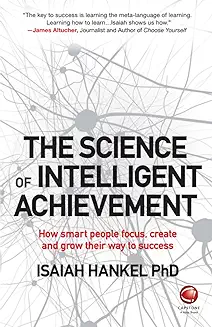
The Science of Intelligent Achievement
Isaiah Hankel
How Smart People Focus, Create and Grow Their Way to Success
4.5 (637)27 mins
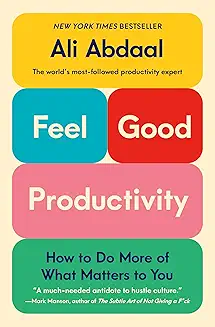
Feel-Good Productivity
Ali Abdaal
How to Do More of What Matters to You
4.5 (1198)15 mins