
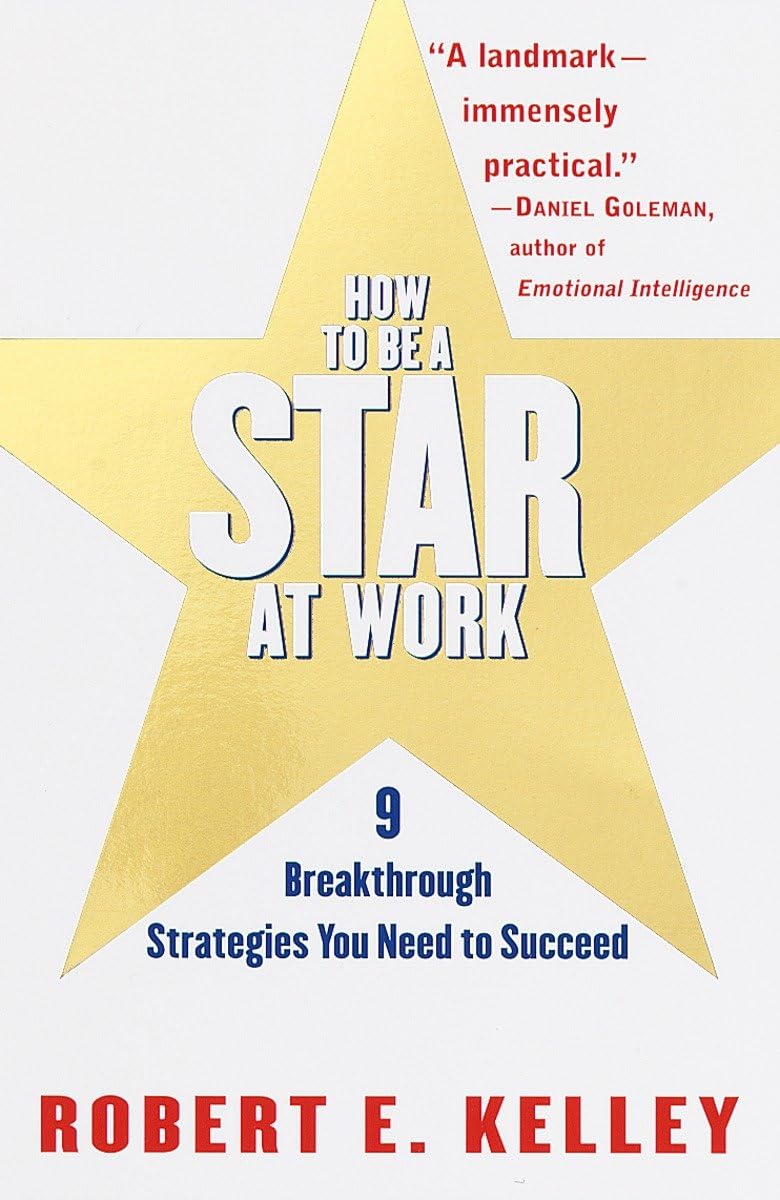
How to Be a Star at Work Summary
By Robert E. Kelley
9 Breakthrough Strategies You Need to Succeed
Summary preview
Most people are taught that success at work comes from doing what the boss says, putting in long hours, and avoiding mistakes. That sounds reasonable, but it misses the real game. The people who truly shine are not just loyal, busy, or technically competent. They make themselves valuable in a deeper way. They take charge of their own contribution. They understand what the organization really needs. They solve problems before those problems become burdens for someone else. They do not wait to be carried by the system. They become the kind of person the system depends on. That is the heartbeat of How to Be a Star at Work. Robert E. Kelley looks closely at what separates average performers from standout contributors, and the answer is not glamour, charisma, or raw ambition. A star at work is usually not the noisiest person in the room. Often, it is the person who quietly delivers, thinks clearly, spots opportunities, builds trust, and makes the lives of others easier. This book is not about office politics in the cheap sense. It is about practical influence, professional self management, and smart contribution. The central idea is simple and powerful. If you want to thrive, you cannot leave your career in someone else’s hands. You must learn how to manage yourself, your boss, your network, your image, your skills, your values, and your relationship to change. Work has become too fast, too fluid, and too uncertain for passive employees. The old bargain, where loyalty alone promised security, has weakened. In its place comes a new responsibility. You must become entrepreneurial inside the organization. You must find ways to create value that are visible, timely, and hard to ignore. What makes this book especially useful is that it stays grounded. The advice is concrete. It speaks to everyday office life, to projects, relationships, deadlines, setbacks, meetings, and difficult bosses. It recognizes that organizations are messy. People compete for resources. Managers differ wildly in competence. Good ideas do not always sell themselves. So the challenge is not just to be good. It is to be effective in the real world. As you move through these ideas, you begin to see a pattern. Stars know how to choose meaningful work, cultivate a reputation for reliability, read the culture around them, and keep growing without losing themselves. They understand that performance is only part of the story. The rest is judgment, initiative, and strategic awareness. If you can learn those habits, you do more than improve your job prospects. You become the kind of professional who can adapt, contribute, and stand out almost anywhere.
Sign up to continue reading
Get access to full book summaries, audio of the summaries, and many more.
Similar Books
Books with a similar vibe—explore more like this.

Mission Ready
Lindy Elkins-Tanton
How to Build Teams That Perform Under Pressure
4.5 (6)22 mins
The Gift of Struggle
Bobby Herrera
Life-Changing Lessons About Leading
4.8 (22)21 mins
The Score That Matters
Ryan Hawk, Brook Cupps
Growing Excellence in Yourself and Those You Lead
4.7 (368)17 mins
The Archetype Effect
James Root
Unlocking The Six Types of Motivation at Work
4.7 (18)22 mins
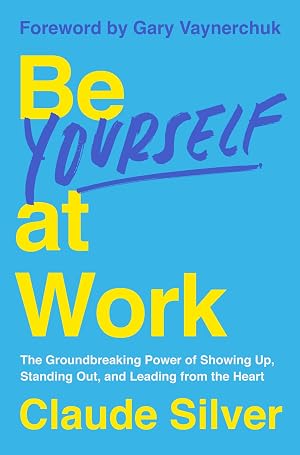
Be Yourself at Work
Claude Silver
Show Up, Stand Out, and Lead from the Heart
4.7 (15)22 mins
Team Intelligence
Jon Levy
How Brilliant Leaders Unlock Collective Genius
4.7 (17) mins
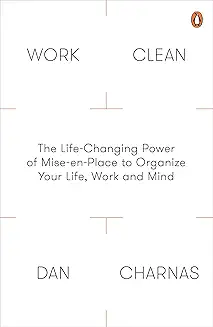
Work Clean
Dan Charnas
The life-changing power of mise-en-place to organize your life, work, and mind
4.6 (368)23 mins

Hope Is the Strategy
Jen Fisher
The Underrated Skill That Transforms Work, Leadership, and Wellbeing
4.6 (31)23 mins
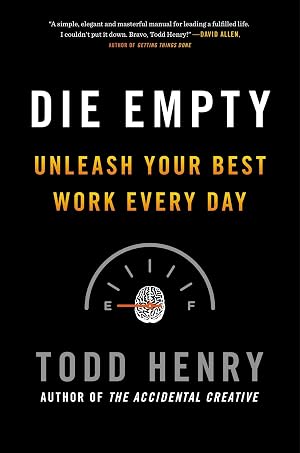
Die Empty
Todd Henry
Unleash Your Best Work Every Day
4.6 (40)22 mins
The Seven Rules of Trust
Jimmy Wales & Dan Gardner
A Blueprint for Building Things That Last
4.6 (15) mins