
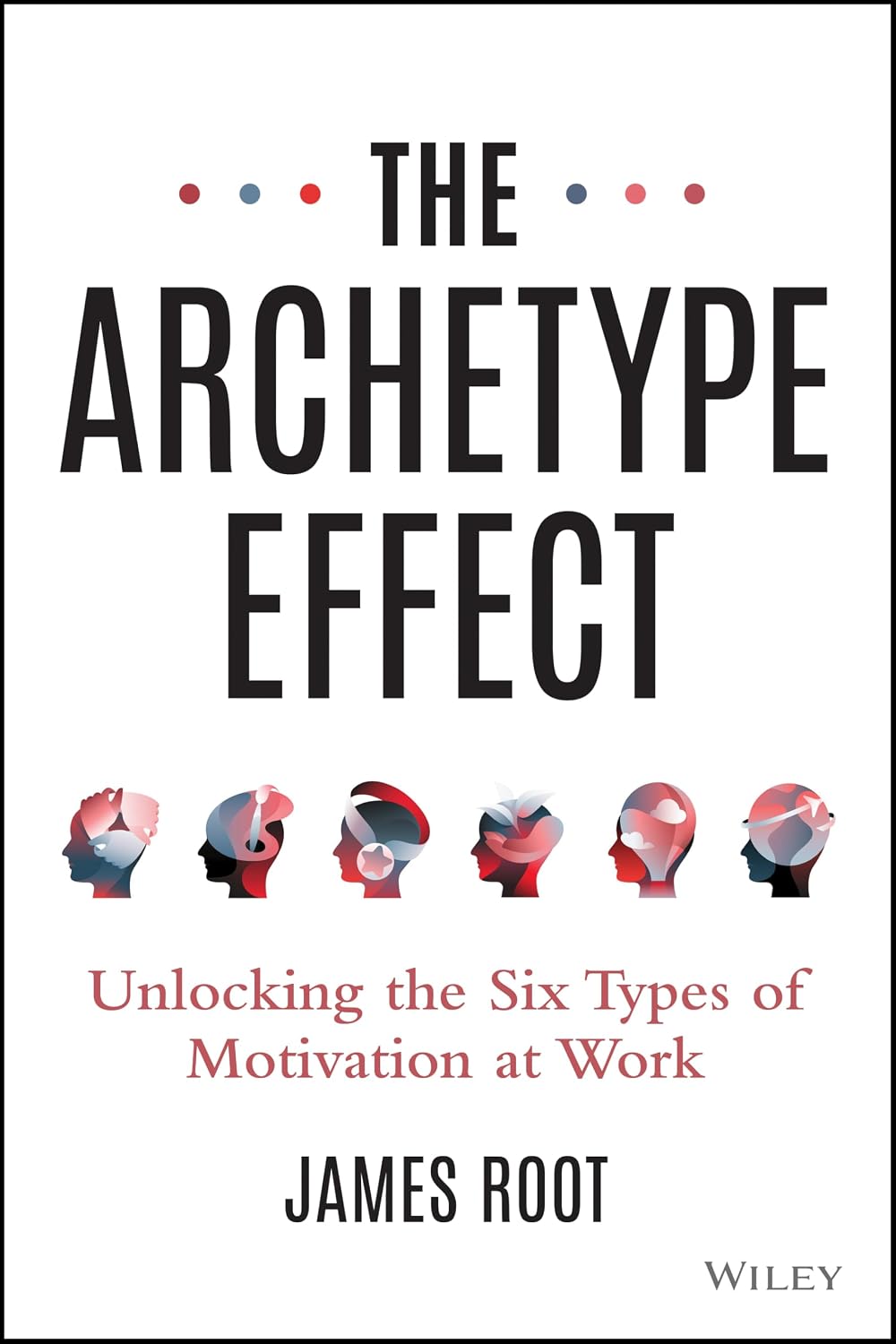
The Archetype Effect Summary
By James Root
Unlocking The Six Types of Motivation at Work
Summary preview
Some books hand you a neat formula and tell you to apply it to your life. This one does something more interesting. It asks you to look beneath the surface of your choices, your fears, your ambitions, and your relationships, and notice the hidden patterns shaping them. That is the heart of The Archetype Effect. It is about the deep inner characters that live inside every person, the recurring energies that show up across myth, story, religion, psychology, and everyday life. These are not costumes you put on for fun. They are forces that quietly guide how you lead, love, avoid, compete, protect, create, and survive. James Root approaches this subject with the feeling of a guide who wants to make something old and mysterious feel practical and alive. The book is not just interested in naming archetypes. It wants you to experience their effect. Why do certain roles come naturally to you while others feel strained? Why do you keep ending up in the same kinds of conflict? Why does one person trigger your admiration while another stirs your suspicion for reasons you cannot fully explain? The answer, the book suggests, often lies in archetypal patterns moving through your inner life and your social world. What makes the book engaging is that it does not treat archetypes like abstract theory floating somewhere above real life. It keeps bringing them down to earth. The discussion turns toward work, family, leadership, identity, romance, creativity, crisis, and personal growth. You begin to see that archetypes are not only found in ancient myths or famous novels. They are present in a difficult boss who plays the ruler, in a friend who embodies the caregiver, in the rebel who breaks stale systems open, or in the seeker who keeps walking away from security in order to find something more honest. The deeper purpose of the book is transformation through recognition. Once you can name these patterns, you are less likely to be trapped by them unconsciously. You can see when an archetype is serving you and when it has become rigid, inflated, or distorted. You can understand why certain phases of life ask for one inner energy more than another. You can also become more compassionate, because the people around you stop looking merely irrational or difficult and start appearing as human beings caught in old universal dramas. So the journey ahead is both reflective and practical. It invites you to become a better observer of your own story. It asks you to see your life not as random events, but as a living field of symbols, roles, and recurring emotional truths. And once you see that field clearly, you are no longer just reacting. You begin, little by little, to choose.
Sign up to continue reading
Get access to full book summaries, audio of the summaries, and many more.
Similar Books
Books with a similar vibe—explore more like this.
Surrender to Lead
Jessica Kriegel, Joe Terry
The Counterintuitive Approach to Driving Extraordinary Results
4.9 (7) mins
Next Play
Alan Stein Jr.
Improve Team Performance, Productivity, and Fulfillment
4.9 (34) mins
The Gift of Struggle
Bobby Herrera
Life-Changing Lessons About Leading
4.8 (22)21 mins
The Score That Matters
Ryan Hawk, Brook Cupps
Growing Excellence in Yourself and Those You Lead
4.7 (368)17 mins
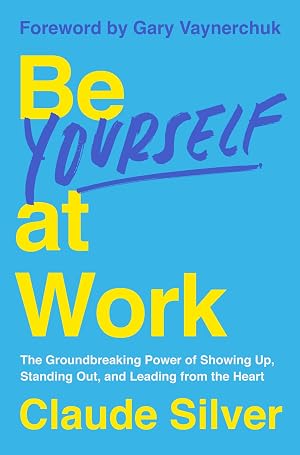
Be Yourself at Work
Claude Silver
Show Up, Stand Out, and Lead from the Heart
4.7 (15)22 mins
Team Intelligence
Jon Levy
How Brilliant Leaders Unlock Collective Genius
4.7 (17) mins

Distancing
L. David Marquet, Michael A. Gillespie
How Great Leaders Reframe to Make Better Decisions
4.7 (22) mins

Hope Is the Strategy
Jen Fisher
The Underrated Skill That Transforms Work, Leadership, and Wellbeing
4.6 (31)23 mins
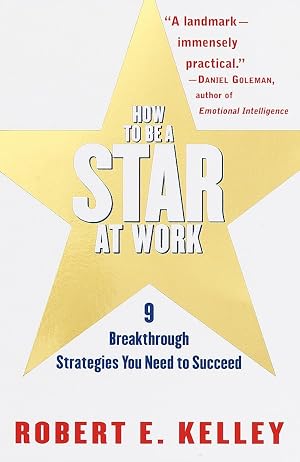
How to Be a Star at Work
Robert E. Kelley
9 Breakthrough Strategies You Need to Succeed
4.6 (34)28 mins
The Seven Rules of Trust
Jimmy Wales & Dan Gardner
A Blueprint for Building Things That Last
4.6 (15) mins