
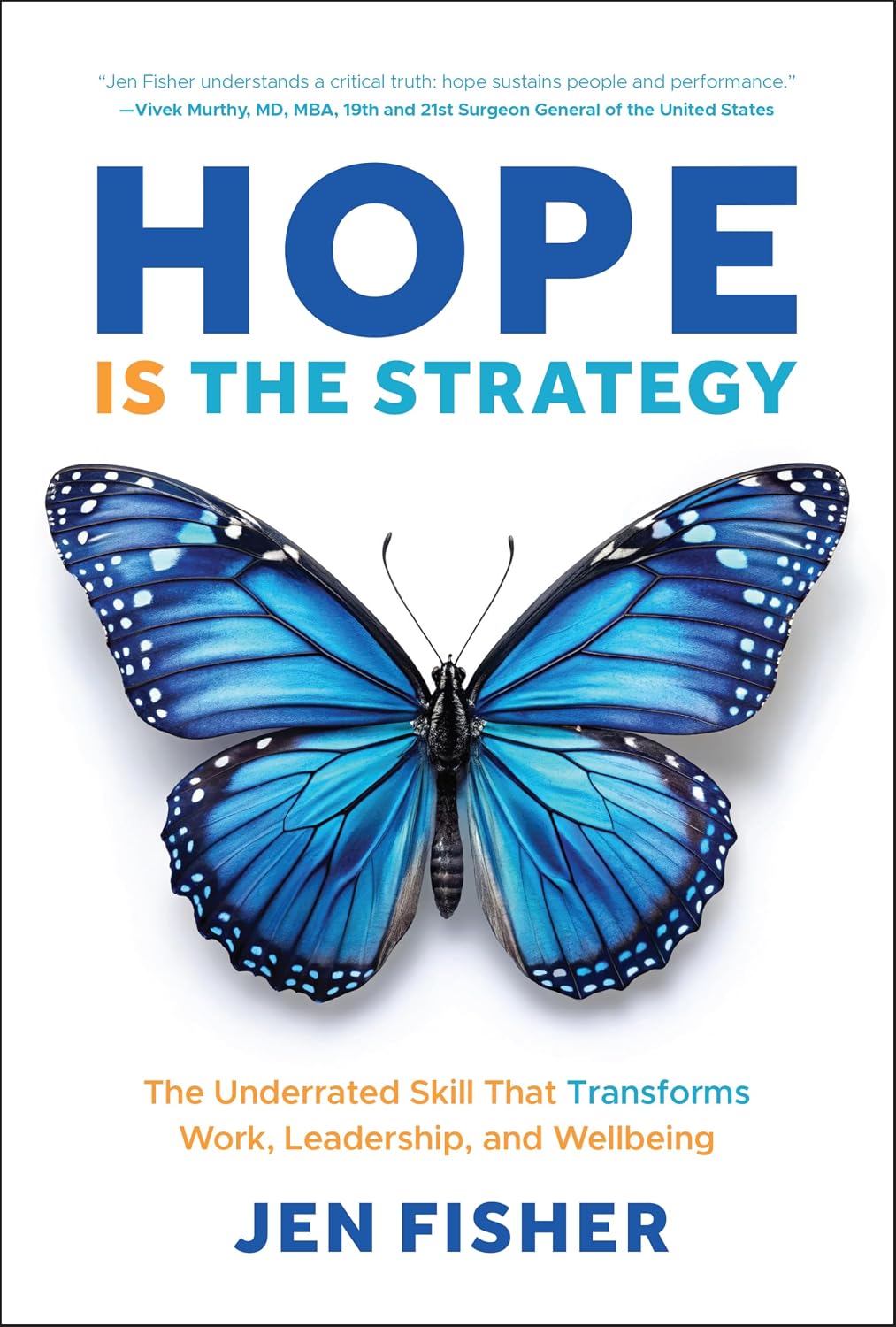
Hope Is the Strategy Summary
By Jen Fisher
The Underrated Skill That Transforms Work, Leadership, and Wellbeing
Summary preview
Hope is often treated like a soft feeling, something nice to have when life is calm and things are going well. This book turns that idea upside down. It argues that hope is not fragile, naive, or passive. It is practical. It is trainable. It is a way of moving through pain, uncertainty, stress, and change with more courage and more choice. That is the heartbeat of Hope Is the Strategy. Jen Fisher invites you to see hope not as wishful thinking, but as a skill you can build and lean on, especially when life feels heavy. The book grows out of lived experience, not abstract theory. It comes from wrestling with anxiety, depression, perfectionism, burnout, and the pressure so many people carry while trying to keep everything together on the outside. There is a strong sense throughout that struggle is not a personal failure. It is part of being human. What matters is what you do next. The message is not that you should force yourself to be positive all the time. It is almost the opposite. Real hope begins when you tell the truth about what hurts. It asks you to look clearly at reality and still believe that another future is possible. What makes the book feel so grounded is the way it blends personal story, research, and simple practices. You are not handed empty encouragement. You are shown how hope works in the mind and body, why it matters for resilience, and how it changes the way you face setbacks. The pages keep returning to one core idea. When things fall apart, hope helps you create a path forward. Not by pretending obstacles are not there, but by helping you imagine routes around them, through them, and beyond them. The book also widens the conversation beyond individual well being. Hope affects how we work, lead, love, heal, and support each other. It shapes teams, families, and communities. A hopeful life is not one without fear or grief. It is one where fear and grief do not get the final word. That makes the book feel both intimate and expansive. It speaks to personal pain, but it also points toward collective possibility. As you move through these ideas, you are encouraged to drop the myth that strength means never struggling. Strength can look like asking for help, resting, changing direction, or trying again after disappointment. Hope becomes a steady companion in all of that. It is less a burst of inspiration and more a daily practice. By the end, the message is clear. You do not have to wait for hope to find you. You can choose it, build it, and use it as a strategy for living.
Sign up to continue reading
Get access to full book summaries, audio of the summaries, and many more.
Similar Books
Books with a similar vibe—explore more like this.
Surrender to Lead
Jessica Kriegel, Joe Terry
The Counterintuitive Approach to Driving Extraordinary Results
4.9 (7) mins
Next Play
Alan Stein Jr.
Improve Team Performance, Productivity, and Fulfillment
4.9 (34) mins
The Gift of Struggle
Bobby Herrera
Life-Changing Lessons About Leading
4.8 (22)21 mins
The Score That Matters
Ryan Hawk, Brook Cupps
Growing Excellence in Yourself and Those You Lead
4.7 (368)17 mins
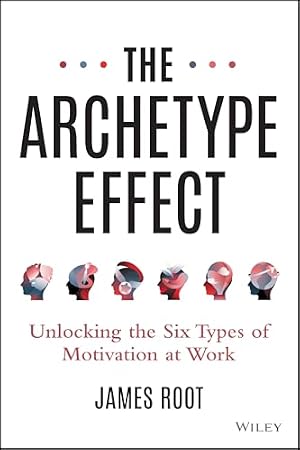
The Archetype Effect
James Root
Unlocking The Six Types of Motivation at Work
4.7 (18)22 mins
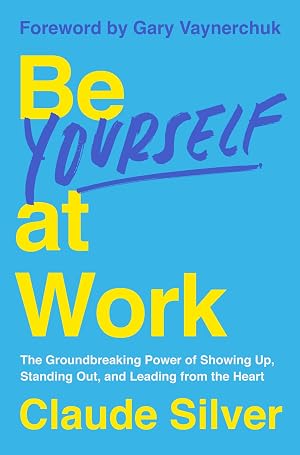
Be Yourself at Work
Claude Silver
Show Up, Stand Out, and Lead from the Heart
4.7 (15)22 mins
Team Intelligence
Jon Levy
How Brilliant Leaders Unlock Collective Genius
4.7 (17) mins
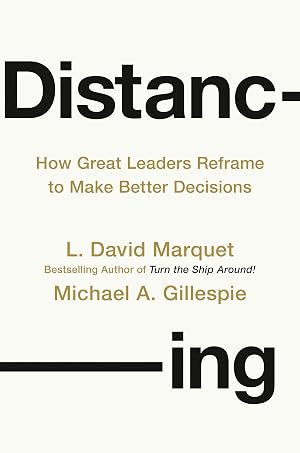
Distancing
L. David Marquet, Michael A. Gillespie
How Great Leaders Reframe to Make Better Decisions
4.7 (22) mins
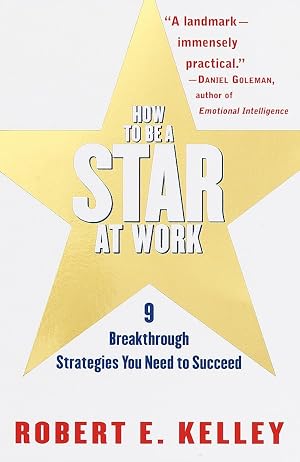
How to Be a Star at Work
Robert E. Kelley
9 Breakthrough Strategies You Need to Succeed
4.6 (34)28 mins
The Seven Rules of Trust
Jimmy Wales & Dan Gardner
A Blueprint for Building Things That Last
4.6 (15) mins