
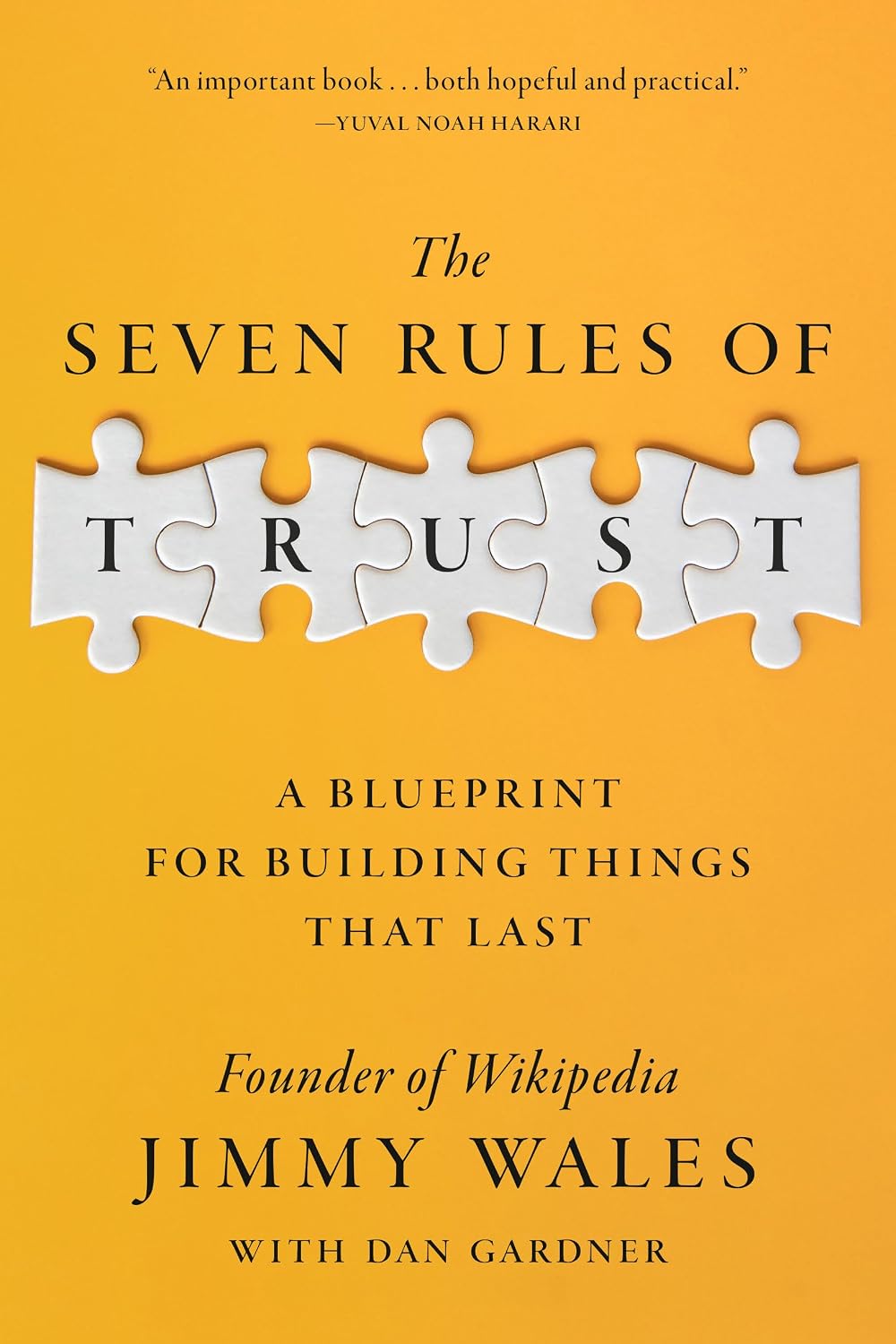
The Seven Rules of Trust Summary
By Jimmy Wales & Dan Gardner
A Blueprint for Building Things That Last
Summary preview
Trust is one of those quiet forces that shapes almost everything we do, yet we rarely stop to look at it closely. We cross bridges built by strangers. We eat food prepared by people we have never met. We hand our savings to financial institutions, our health to doctors, our children to teachers, and our attention to news sources we hope are telling us the truth. We are all, every day, making bets on other people, on systems, and on institutions. That is the simple but powerful territory this book explores. Jimmy Wales & Dan Gardner take up a question that feels more urgent than ever. How do we know when trust is deserved? We live in a world where old authorities have weakened, new platforms rise quickly, and information pours in from every direction. We hear warnings about misinformation, corruption, scams, and failure. At the same time, the modern world only works because trust works. So the problem is not whether to trust. We must. The real problem is how to trust well. The book argues that trust is not magic, and it is not merely a gut feeling. It can be understood. It has patterns. It grows under certain conditions and shrinks under others. Most of all, it can be improved when we learn to look for the right signals. The story that unfolds is both practical and wide ranging. It moves from everyday life to politics, from markets to media, from technology to personal judgment. Along the way, it challenges a lot of common assumptions. It asks you to be skeptical of easy cynicism, because constant suspicion is no wiser than blind faith. It also asks you to be skeptical of appearances, because confidence, status, and polished messaging can easily fool us. What makes the book so engaging is that it does not treat trust as a vague moral idea floating above real life. It treats trust as a working tool. A healthy society depends on it. A healthy business depends on it. Even a healthy relationship with knowledge depends on it. To understand trust, you need to understand incentives, transparency, reputation, competence, values, and the systems that reward honesty or punish failure. You also need to understand your own mind, because people are not naturally great judges of whom to trust. At its heart, the book offers a framework for navigating uncertainty with more clarity. It shows why trust is built slowly, why it can collapse quickly, and why good systems matter just as much as good intentions. The promise here is not that you will never be deceived. No one can offer that. The promise is something more useful. You can learn to spot the conditions under which trust is most likely to be earned and most likely to be betrayed. And once you see that, the world starts to look less bewildering and a lot more navigable.
Sign up to continue reading
Get access to full book summaries, audio of the summaries, and many more.
Similar Books
Books with a similar vibe—explore more like this.
Surrender to Lead
Jessica Kriegel, Joe Terry
The Counterintuitive Approach to Driving Extraordinary Results
4.9 (7)21 mins
Next Play
Alan Stein Jr.
Improve Team Performance, Productivity, and Fulfillment
4.9 (34)26 mins
The Gift of Struggle
Bobby Herrera
Life-Changing Lessons About Leading
4.8 (22)21 mins
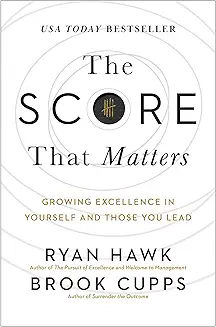
The Score That Matters
Ryan Hawk, Brook Cupps
Growing Excellence in Yourself and Those You Lead
4.7 (368)17 mins
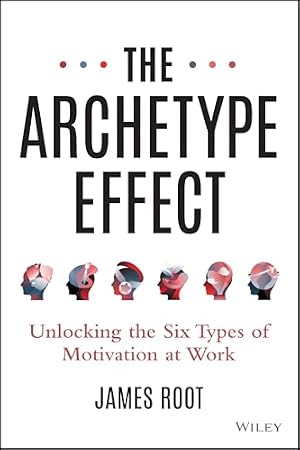
The Archetype Effect
James Root
Unlocking The Six Types of Motivation at Work
4.7 (18)22 mins
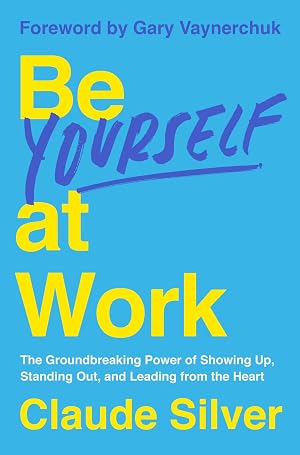
Be Yourself at Work
Claude Silver
Show Up, Stand Out, and Lead from the Heart
4.7 (15)22 mins
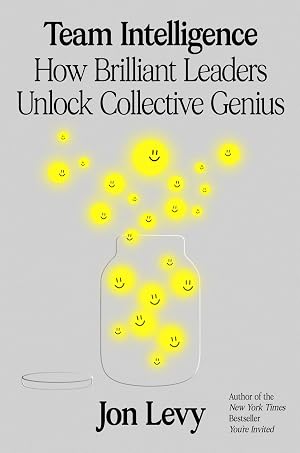
Team Intelligence
Jon Levy
How Brilliant Leaders Unlock Collective Genius
4.7 (17)23 mins
Distancing
L. David Marquet, Michael A. Gillespie
How Great Leaders Reframe to Make Better Decisions
4.7 (22)24 mins
Hope Is the Strategy
Jen Fisher
The Underrated Skill That Transforms Work, Leadership, and Wellbeing
4.6 (31)23 mins
How to Be a Star at Work
Robert E. Kelley
9 Breakthrough Strategies You Need to Succeed
4.6 (34)28 mins