
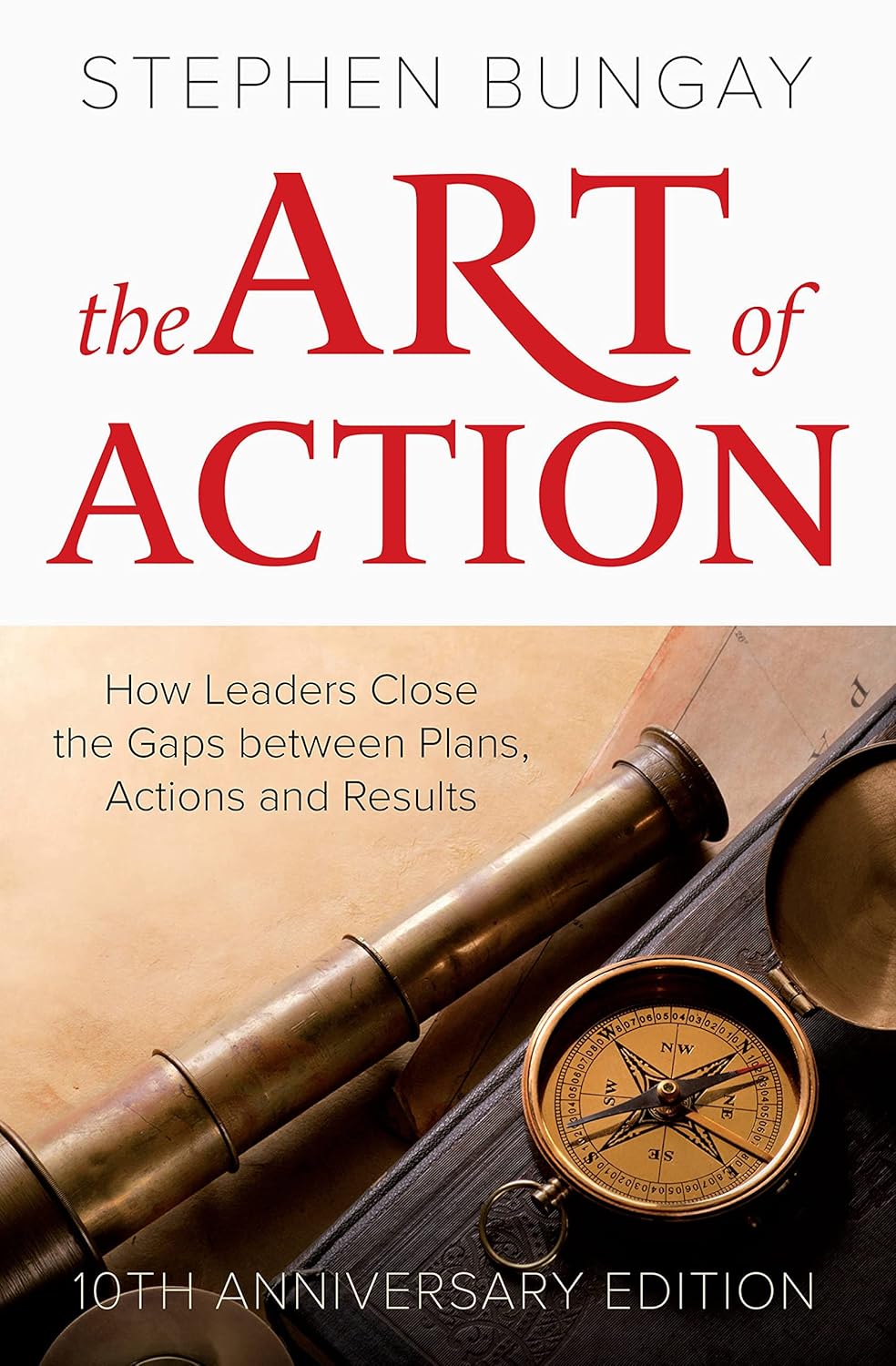
The Art of Action Summary
By Stephen Bungay
How to Close the Gaps between Plans, Actions, and Results
Summary preview
Most of us are taught to think that good strategy is a matter of getting the plan right, then making sure everyone follows it. We picture the ideal leader as someone who sees clearly, decides wisely, and drives execution with discipline. It sounds neat, rational, and reassuring. It is also, much of the time, wrong. The heart of this book is a simple but unsettling truth. We never act in a world we fully understand. We act in a world of incomplete knowledge, shifting conditions, delayed feedback, and people who interpret our intentions in their own way. That means the real challenge of leadership is not writing the perfect plan. It is creating the conditions in which many people can take effective action when reality refuses to sit still. Stephen Bungay uses war, business, and everyday organizational life to make this point vivid. He draws especially on the Prussian army and its astonishing ability to perform under pressure. What made it formidable was not blind obedience or rigid planning. It was a way of thinking that accepted uncertainty and still made action possible. This approach later became known through ideas such as mission command, where leaders give clarity about intent and purpose, while leaving room for initiative in execution. That is not a soft option. It demands more thought, more trust, and more honesty than command by detailed instruction. Running through the whole book is a chain that links plans to outcomes, and shows where things go wrong. We start with what we want to achieve. We translate that into actions. Those actions are carried out by other human beings in changing circumstances. At each step, there is a gap. There is a gap between what we want and what we can express, a gap between what we say and what others understand, and a gap between what they do and what reality produces. Most management trouble lives in these gaps. The answer is not to eliminate uncertainty, because we cannot. The answer is to reduce the damaging effects of it. That means being much clearer about purpose, much smarter about feedback, and much less attached to the fantasy of control. It means distinguishing ends from means, intent from instruction, and adaptation from disorder. This is a book about strategy, but it is also about leadership in the most practical sense. How do you get people to act effectively when you cannot tell them exactly what to do? How do you stay coherent without becoming rigid? How do you move fast without losing direction? These are the questions that drive everything that follows, and they matter just as much in an office, a factory, a hospital, or a start up as they once did on a battlefield.
Sign up to continue reading
Get access to full book summaries, audio of the summaries, and many more.
Similar Books
Books with a similar vibe—explore more like this.
Next Play
Alan Stein Jr.
Improve Team Performance, Productivity, and Fulfillment
4.9 (34)26 mins
How to Be a Star at Work
Robert E. Kelley
9 Breakthrough Strategies You Need to Succeed
4.6 (34)28 mins
Mission Ready
Lindy Elkins-Tanton
How to Build Teams That Perform Under Pressure
4.5 (6)22 mins
Leveling Up
Ryan Leak
12 Questions to Elevate Your Personal and Professional Development
4.4 (22)28 mins
The Whole Brain Business Book
Ann Herrmann-Nehdi, Ned Herrmann
Unlocking the Power of Whole Brain Thinking
3.9 (7)21 mins
The 3.3 Rule
John Briggs
The New Workday Standard of Creating More by Working Less
3.8 (85)14 mins
Surrender to Lead
Jessica Kriegel, Joe Terry
The Counterintuitive Approach to Driving Extraordinary Results
4.9 (7)21 mins
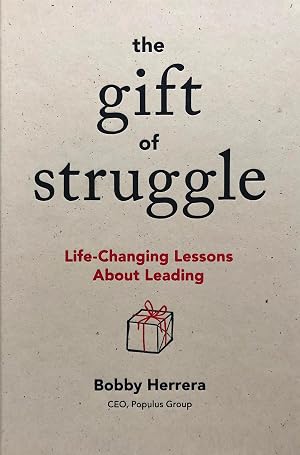
The Gift of Struggle
Bobby Herrera
Life-Changing Lessons About Leading
4.8 (22)21 mins
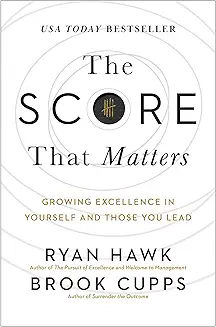
The Score That Matters
Ryan Hawk, Brook Cupps
Growing Excellence in Yourself and Those You Lead
4.7 (368)17 mins
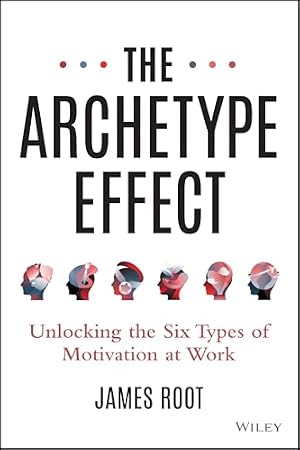
The Archetype Effect
James Root
Unlocking The Six Types of Motivation at Work
4.7 (18)22 mins